Butterfly pea flower (Clitoria ternatea) is one of the most rewarding vines you can grow from seed. If you're wondering how to grow butterfly plants, focus on warmth, full sun, and consistent watering until they get established Butterfly pea. If you want the full process, including timing, scarification, and early care, follow this guide for butterfly pea flower plant how to grow. Sow it in warm soil, give it something to climb, keep it watered, and you'll have those vivid cobalt-blue blooms in as little as 60 days. It's genuinely easy once you understand two things: it hates frost, and it needs heat to really get going. Get those two things right and the rest falls into place.
How to Grow Butterfly Pea Flower From Seed to Harvest
Marcus Holloway
29 Apr 2026
What you're actually growing
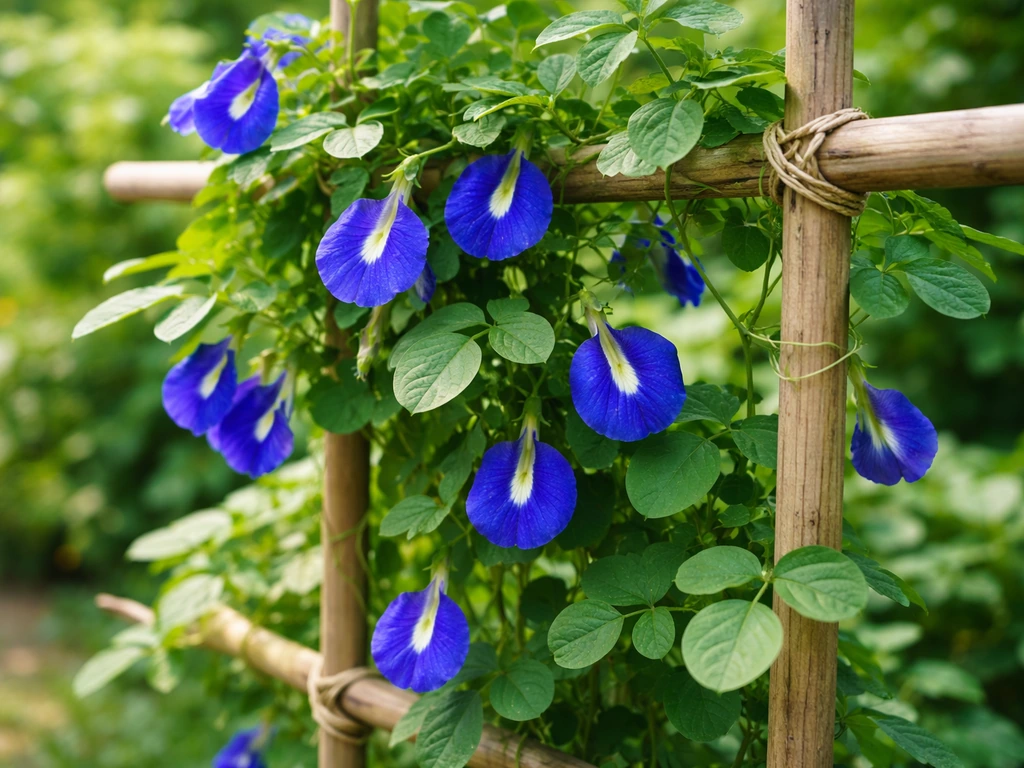
Butterfly pea is a fast-growing, twining vine that climbs by winding its slender stems around any support it can find. It typically reaches 3 meters (about 9 feet) tall, though in a container or shorter season it'll stay more compact. The flowers are the whole point: deep, jewel-like blue petals surrounding a white center, and they're packed with [anthocyanins, the same pigments that turn your tea bright blue when you brew them. ](https://www.
frontiersin. org/journals/plant-science/articles/10. 3389/fpls. 2021.
792303/pdf) In its native tropical range it behaves as a perennial, coming back year after year. In cooler climates, treat it as a tender annual because even a light frost will kill it. In subtropical regions, it may slow down or go dormant over winter but bounce back in spring. As a legume, it's also fixing nitrogen as it grows, which is a nice bonus for your soil.
Picking your variety, climate, and timing
The classic variety is the single cobalt blue, with those deep petals and white center. You'll also find double-flowered forms (more petals, very showy), a variegated single blue-and-white type, and occasionally white or pale pink varieties. If you want white buttercup specifically, choose the right seed variety and plant it when temperatures are reliably warm so it can establish quickly. For beginners, the standard single blue is the easiest to source, germinates reliably, and produces the most flowers. Go with that unless you're specifically after the double for culinary use or show.
Timing is straightforward: butterfly pea needs warmth. Wait until nighttime temperatures are consistently above 10°C (50°F) before direct sowing or moving plants outside. In USDA zones 10 and above, you can grow it as a true perennial and sow almost any time of year outside of the coldest weeks. In zones 8 and 9, treat it as a warm-season annual and sow after your last frost date. In zones 7 and below, start seeds indoors 4 to 6 weeks before your last frost and transplant once the weather is reliably warm. The plant's peak flowering period is summer through early fall, so the earlier you get it established (safely), the longer your bloom window.
Starting seeds: indoors vs. direct sowing
Here's the one thing that trips up most beginners with butterfly pea: the seeds have a hard coat that slows germination. Don't just drop them in the soil and wait. blank" rel="noopener noreferrer">Scarify them first, and your germination rate jumps dramatically.
Scarification: the step you can't skip
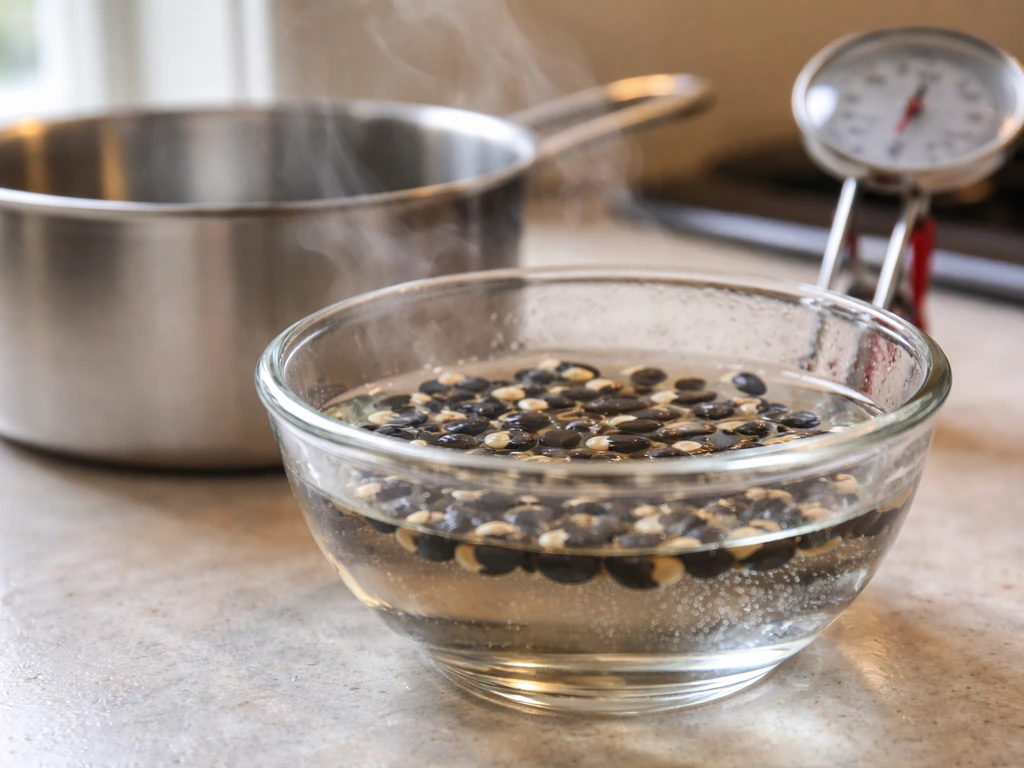
The easiest method for home gardeners is a hot water soak. Hot water scarification has also been studied for dormancy breaking in Clitoria ternatea, including hot-water treatments around 80°C as a way to reduce hardseededness Hot water soak.
Boil water, let it cool for about 30 to 60 seconds so it's around 60 to 80°C (140 to 175°F), then drop your seeds in and let them soak for 24 hours as the water cools completely. You'll often see the seeds swell noticeably overnight. That's the sign you're ready to sow.
Alternatively, you can nick the seed coat with a nail file or piece of sandpaper (mechanical scarification) by gently rubbing the rounded end of the seed a few strokes. Both methods work. Chemical scarification with sulfuric acid is used in research settings but is completely unnecessary for a home garden.
Direct sowing
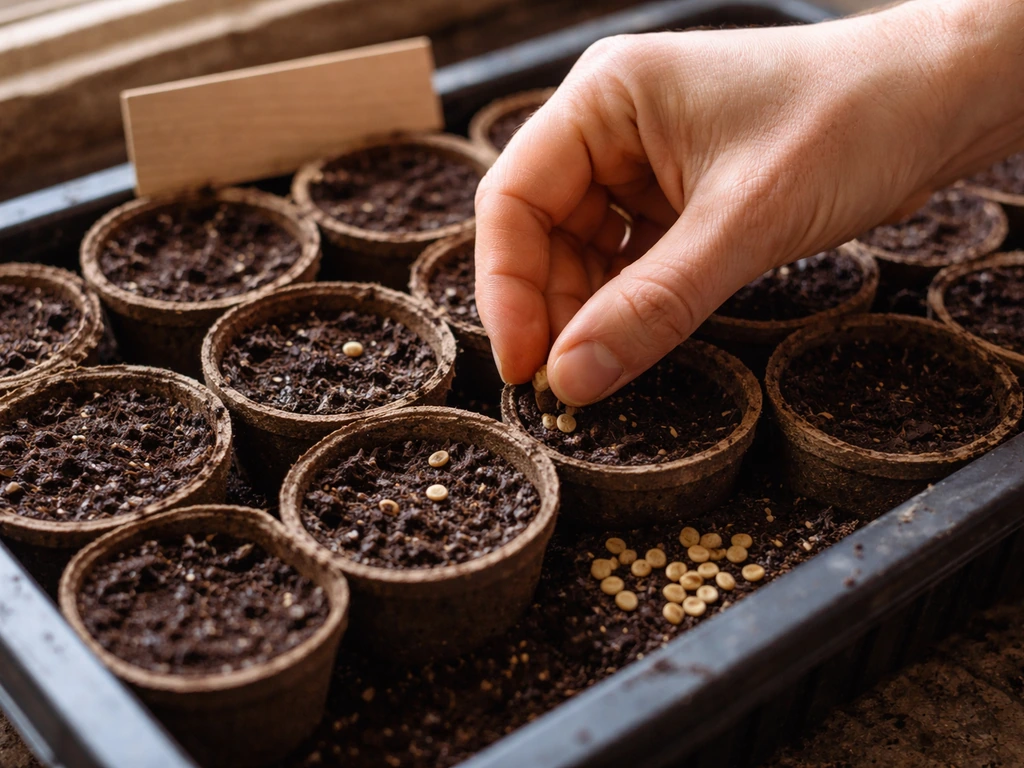
Direct sowing is the simplest route if you're in a warm climate or sowing after your last frost. After scarifying the seeds, push them about 1 cm (half an inch) deep into moist, warm soil. Space seeds 15 to 30 cm (6 to 12 inches) apart. Keep the soil consistently moist until germination, which typically happens in 7 to 14 days with scarified seeds in warm conditions. Germination stalls in cold soil, so if your soil temperature is below 20°C (68°F), wait a bit longer or start indoors instead.
Starting indoors
- Scarify seeds using the hot water soak method described above.
- Fill small pots or deep cell trays with a well-draining seed-starting mix. Butterfly pea has a taproot, so deeper cells (at least 5 cm/2 inches) are better than flat trays.
- Sow one seed per cell, about 1 cm deep, and water gently.
- Place trays in a warm spot: 24 to 28°C (75 to 82°F) is ideal. A heat mat makes a noticeable difference.
- Keep the mix consistently moist but not soggy. Expect sprouts in 7 to 14 days.
- Once seedlings have two sets of true leaves and outdoor temperatures are warm enough, harden them off over 7 to 10 days before transplanting.
Soil, sun, water, and feeding
Soil
Butterfly pea is not fussy about soil fertility, which makes sense given it's a legume that fixes its own nitrogen. What it does care about is drainage. It won't tolerate waterlogged roots. Aim for a loamy or sandy-loam soil with a pH of 5.5 to 7.0. If your garden soil is heavy clay, mix in compost and coarse sand to improve drainage before planting. A basic all-purpose potting mix works well for containers.
Sunlight
Full sun is non-negotiable for heavy flowering. Give it at least 6 to 8 hours of direct sunlight per day. In partial shade, the plant will grow but produce significantly fewer flowers. If you're choosing between a spot with morning sun and a spot with afternoon sun, morning sun with some afternoon shade in very hot climates is slightly preferable to protect flowers from scorching, but either will work.
Watering
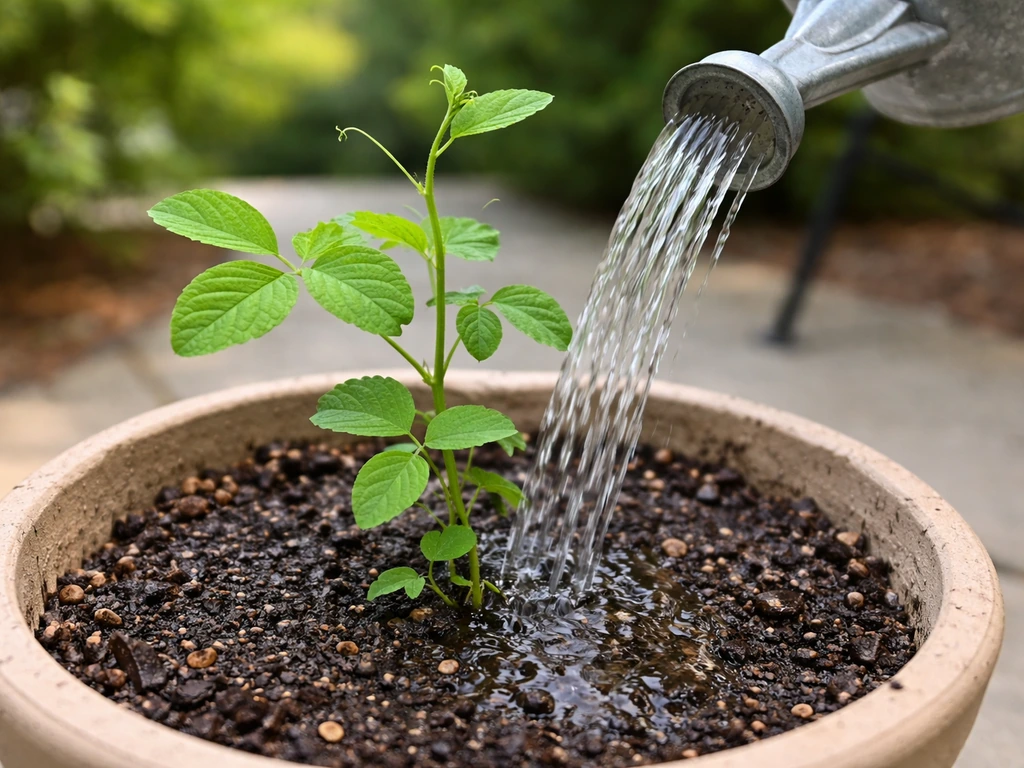
Water regularly and consistently, especially during establishment and peak summer heat. A good rule of thumb: water deeply two to three times per week in dry weather, and cut back when you get regular rainfall. Let the top 2 to 3 cm of soil dry out slightly between waterings, but don't let the plant wilt repeatedly. Once established, butterfly pea is reasonably drought-tolerant, but drought stress will stop flowering. Tropical forages research confirms what you'll see in your own garden: plants keep blooming as long as moisture and warmth are adequate.
Fertilizing
Because it fixes nitrogen, butterfly pea doesn't need heavy feeding. Too much nitrogen will push leafy growth at the expense of flowers. A light application of a balanced fertilizer (something like a 10-10-10 NPK) at planting, then a phosphorus-leaning feed (like a 5-10-5) once plants start flowering, is plenty. Research into NPK levels for butterfly pea confirms that fertilization does affect flower production, so don't skip it entirely, but keep it moderate. In containers, where nutrients leach out with watering, feed monthly with a diluted balanced liquid fertilizer.
Support, training, pruning, and keeping pests away
Support and training
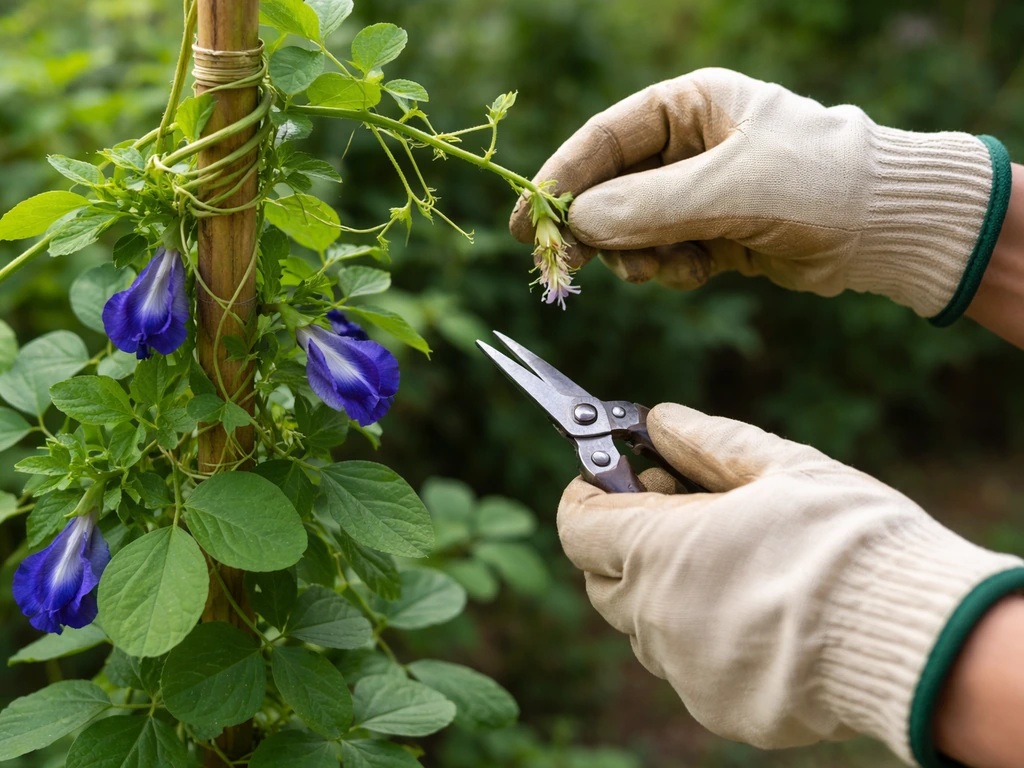
Butterfly pea is a twining climber, so it needs something to wrap around. A trellis, bamboo teepee, fence, chicken wire panel, or even a simple string grid works perfectly. Install your support at planting time, before roots are established, to avoid disturbing them later. As the plant grows, guide the young stems toward the support by hand for the first week or two. After that, it finds its own way. In a container, a small bamboo teepee or three stakes with horizontal string wrapped around them is all you need.
Pruning for more flowers
Light, regular pruning keeps butterfly pea bushy and productive. Once the plant is established and actively flowering, pinch back the growing tips and trim spent flower clusters every couple of weeks. Never remove more than a third of the plant at one time because that's enough stress to set back flowering significantly. The idea is to encourage new branching, which is where new flowers form. If the plant gets leggy or overgrown, do a harder cutback by a third, wait two to three weeks for new growth, then trim again if needed.
Common pests and diseases
The two pests to watch for are aphids and whiteflies. Both are sap-suckers that cluster on new growth and the undersides of leaves. Aphids show up as tiny green, black, or white clusters. Whiteflies are small, white, moth-like insects that flutter up in a cloud when you disturb the plant. Both produce sticky honeydew that can lead to sooty mold. Catch them early with a strong blast of water from a hose, or spray with insecticidal soap or neem oil. Spider mites can also appear in hot, dry conditions, causing stippled, yellowing leaves. Keep up with watering and humidity to reduce the risk.
Powdery mildew is the most common disease, especially in humid conditions with poor air circulation. It looks like a white powdery coating on leaves. Prevent it by giving plants adequate spacing, avoiding overhead watering in the evening, and removing affected leaves promptly. A baking soda spray (1 teaspoon baking soda per liter of water with a few drops of dish soap) can slow mild infections. Severe cases may need a fungicide.
Transplanting, containers vs. in-ground, and spacing
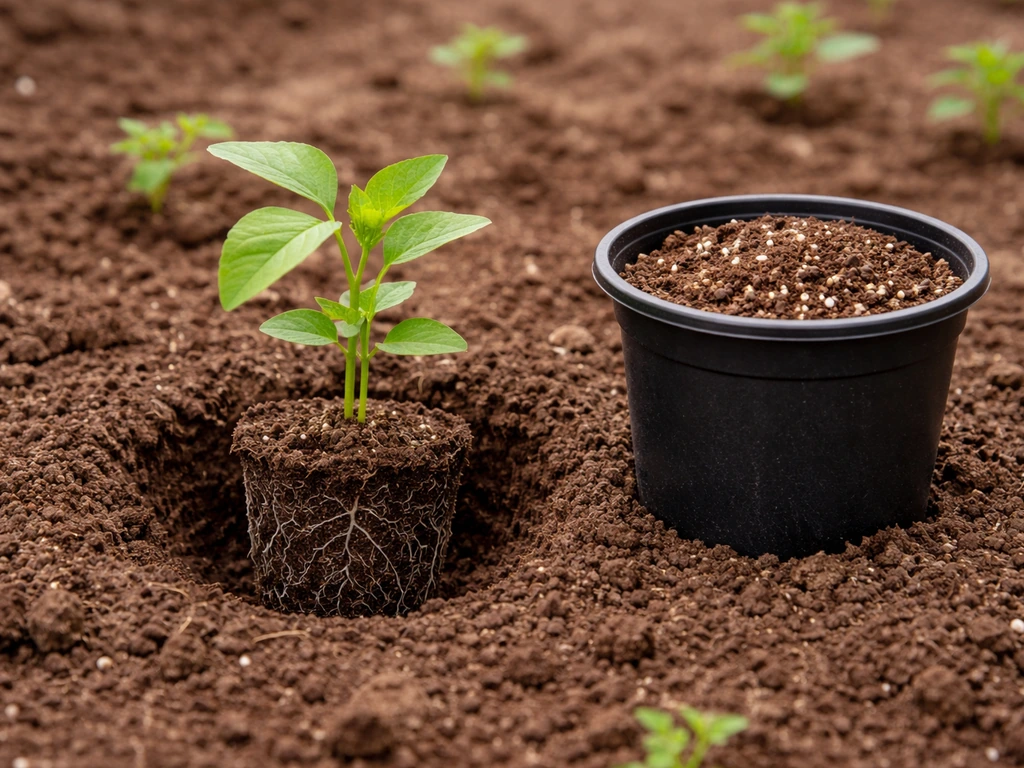
Transplanting seedlings
Transplant on a cloudy day or in the evening to reduce stress. Dig a hole slightly larger than the root ball, set the plant at the same depth it was in its pot, and firm the soil around it. Water thoroughly right after planting, and keep watering well for the first few weeks while roots establish. Don't let the soil dry out completely during this window. Transplant shock can delay flowering by a week or two, but a well-watered plant recovers quickly.
In-ground vs. container growing
| Factor | In-Ground | Container |
|---|---|---|
| Root space | Unlimited, promotes vigorous growth | Restricted; use at least a 10-15L pot |
| Watering frequency | Less frequent once established | More frequent, especially in heat |
| Flowering output | Higher with room to spread | Good with regular feeding and pruning |
| Portability | Fixed location | Can move to optimize sun or shelter from frost |
| Overwintering (warm zones) | May survive as perennial | Easy to bring indoors before first frost |
| Best for | Gardeners with beds and warm climates | Balconies, patios, or colder-zone growers |
For most beginners, in-ground growing gives the best results with the least work. If you're on a balcony or in a zone where frosts arrive early, containers with a sturdy trellis or teepee give you flexibility. In either case, choose the sunniest spot you have.
Spacing
Space in-ground plants 30 to 45 cm (12 to 18 inches) apart. This gives each plant room to spread without crowding, which also reduces the risk of powdery mildew by allowing air to circulate. For containers, one plant per 10 to 15 liter pot is about right. Two plants in a larger pot (20+ liters) can create a fuller look but will compete for nutrients, so feed them more consistently.
When to expect flowers, how to harvest them, and getting repeat blooms
Flowering timeline
With scarified seeds sown in warm conditions, you can expect flowers in as little as 4 to 6 weeks from sowing, though 60 to 90 days is a more typical and realistic window for most home growers. The variation depends on soil temperature, light levels, and how warm your summer is. Plants sown in heat with good sun will hit that 60-day mark. Plants in cooler or shadier conditions will take longer. Once they start blooming, they flower almost continuously through summer and into fall as long as warmth and moisture hold.
Harvesting the flowers
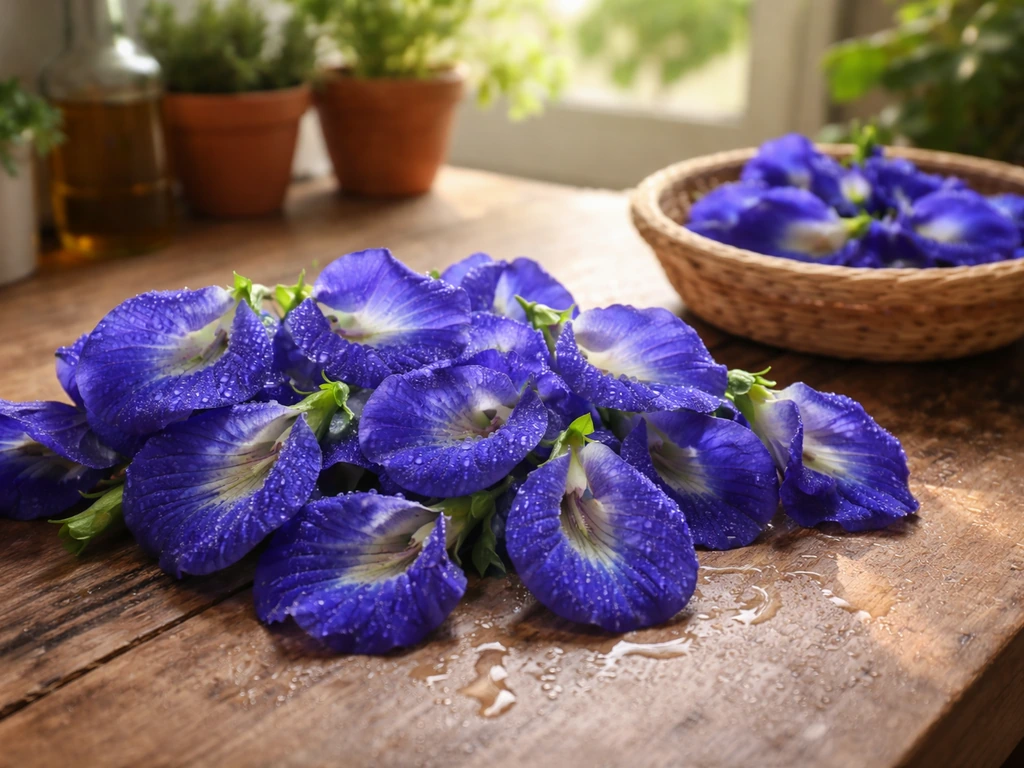
Pick flowers in the morning when they first open, while the anthocyanin pigment is most concentrated. For tea or culinary use, fresh flowers are wonderful, but you can also dry them on a paper towel in a single layer in a warm, well-ventilated spot for 3 to 5 days, then store them in an airtight jar away from light. Dried butterfly pea flowers hold their vivid blue color surprisingly well and will keep for up to a year when stored properly. Harvest every day or two during peak season. The more you pick, the more flowers the plant produces.
Keeping the flowers coming
The key to repeat blooming is consistent harvesting combined with regular light pruning. Don't let flowers go to seed unless you're collecting seeds for next year, because once a plant shifts into seed production it reduces flower output noticeably. Keep picking, keep the soil moist, and apply that monthly liquid feed in containers (or a mid-season phosphorus boost in the ground) to sustain energy for flowering. If your plant slows down mid-summer due to heat stress or drought, cut back the watering cycle adjustment, give it a good deep soak, and trim back the tips by about a third. New growth and flowers usually follow within two to three weeks.
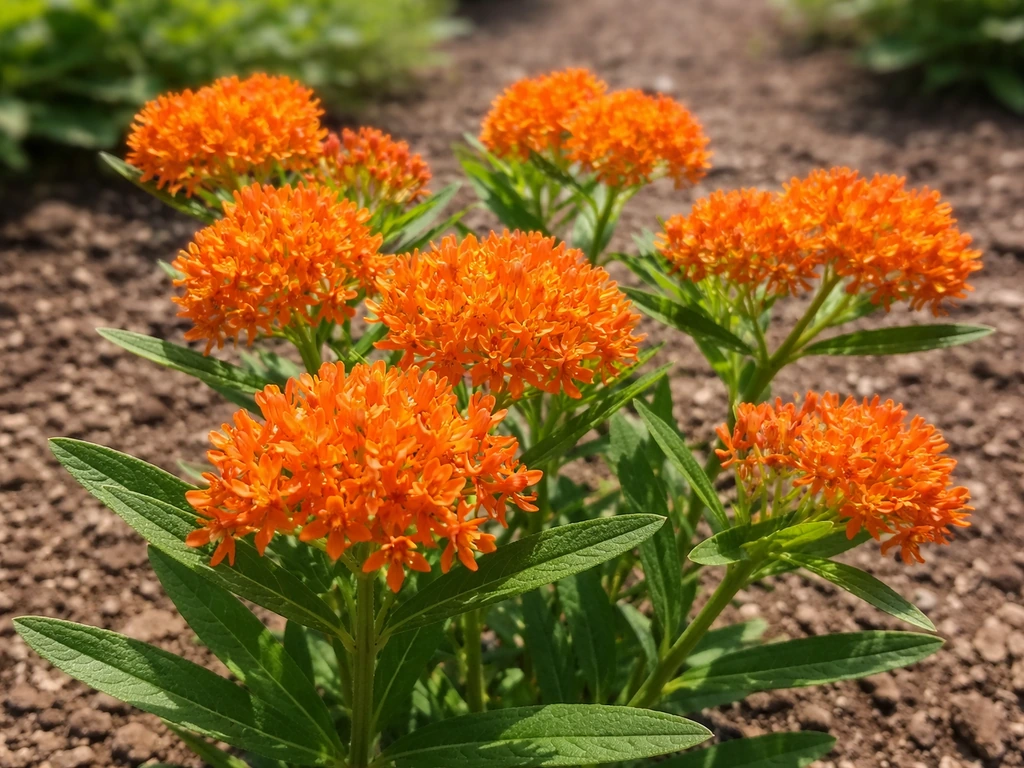
One more thing worth noting: if you're drawn to butterfly pea for the garden's wildlife value as well as the flowers, it's worth knowing that this plant serves different pollinators than other nectar-rich species. It complements butterfly-attracting plants like butterfly weed and milkweed, which target monarch and swallowtail butterflies specifically. If you want to support monarchs, you can also plant native milkweed and learn how to grow it for their caterpillars butterfly weed and milkweed.
If you want to grow butterfly weed too, make sure you plant it in full sun and give it well-drained soil for healthy monarch habitat. Butterfly pea is more of a general bee and pollinator magnet, and its blooms serve a different visual and culinary purpose. Together, they make a genuinely useful pollinator garden.
FAQ
How do I stop butterfly pea from slowing down and going to seed?
To keep butterfly pea producing, pick flowers before they set pods. If you see seed pods forming, remove them (or hand-snip pods) right away, because once the plant commits to seed production it typically slows flowering even if you still water and fertilize.
Can I grow butterfly pea flower indoors or on a balcony during cool nights?
Yes, but you should treat it as a tropical tender plant. Move the pot outdoors only after nights stay above 10°C (50°F). If temperatures dip, bring it inside or cover it, since even a brief cold snap can kill stems or prevent regrowth in spring.
What’s the best watering method for butterfly pea, especially in containers?
Don’t wait for “dry and wilting.” Let the top 2 to 3 cm dry between waterings, then water deeply until excess drains out. In containers, use the weight test (lift the pot), because peat-heavy mixes can feel dry on top while staying wet inside, which can still cause root issues.
Why are my butterfly pea leaves turning yellow and what should I adjust?
If leaves yellow while growth is vigorous, it can be over-fertilization or nutrient imbalance. Since butterfly pea fixes nitrogen, avoid high-N feeding. Switch to a light phosphorus-leaning feed during bloom and check that the soil drains well (waterlogged roots can also cause yellowing).
When should I install a trellis, and how do I train the vine without damaging it?
Use a trellis early and keep it stable, then gently guide stems once or twice per week. If you delay support, twining stems can tangle and break during later training, which reduces flowering for a couple of weeks.
My butterfly pea seeds won’t germinate, what do I do differently?
For faster, more reliable germination, aim for warm soil and pre-soak after scarifying. A common mistake is scarifying without adequate heat, so seeds still stall. If your soil is under 20°C (68°F), start indoors or use a seedling heat mat and transplant once nights are warm.
Is scarifying the seeds the same for all seed types, and how can I avoid over-scarifying?
If you nick the seed coat, keep the nick small and avoid cutting too deeply into the embryo. Another mistake is using only mechanical scarification with no warm soak, so the seed coat stays partly intact. Combine a brief file/sand nick with a warm water soak when possible.
What actually prevents powdery mildew on butterfly pea, and what should I do if it appears?
Powdery mildew is usually driven by poor airflow and evening overhead wetness. Improve spacing, water at soil level, and avoid wetting leaves at dusk. If it starts, remove the worst leaves early, then re-check airflow before resorting to sprays.
How can I control aphids and whiteflies without harming pollinators?
A simple way to manage aphids and whiteflies is to knock them off with a firm water spray, then spray insecticidal soap in the early morning. Repeat every 5 to 7 days for at least two rounds, and focus on undersides of leaves where pests cluster.
Will frequent harvesting or pruning reduce future blooms?
Harvest impact is real. Picking every day or two helps, but you still want to avoid pruning beyond about one-third at once. If your plant looks stressed from heat or trimming, pause major harvest volume for a few days, then resume once new growth begins.
Why is my butterfly pea blooming less in a pot than in the ground?
Yes, but the bloom timeline can shift. In containers, keep one plant per 10 to 15 liters, because competition reduces flower count. Also, containers dry faster, so keep the soil from repeatedly going bone dry during hot spells, since drought stress is a common reason for mid-summer bloom drop.
Next Article
How to Grow Butterfly Weed From Seed to Bloom
Step by step guide to grow butterfly weed from seed to bloom, with timing, soil, watering, and fixes for slow germinatio