The best time to grow marigold seeds depends on two things: your last frost date and your soil temperature. If you're starting seeds indoors, sow them 4 to 6 weeks before your last expected frost. If you're direct sowing outside, wait until frost risk is gone and your soil has warmed to at least 70°F (21°C). Get those two conditions right and you'll have reliable germination in under a week and blooms in as little as 50 days. how to grow marigold in winter
When to Grow Marigold Seeds: Timing Guide for Blooms
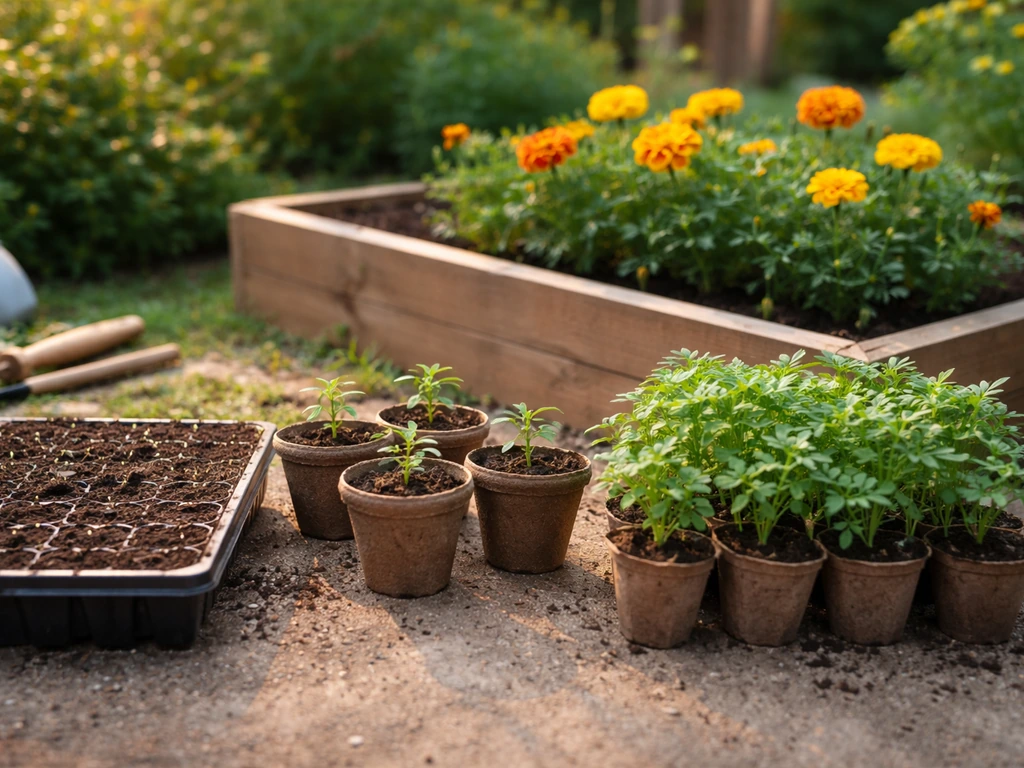
Marigold growth timeline: from seed to blooms
Knowing what to expect at each stage helps you plan backwards from the date you want flowers. Here's how the timeline typically plays out from the moment you sow.
| Stage | What Happens | Typical Timing |
|---|---|---|
| Germination | Radicle (first root) emerges from seed | 4–7 days at 75–80°F soil temp |
| Seedling emergence | First sprout breaks surface | 5–10 days after sowing |
| True leaves develop | First set of true leaves appears after seed leaves | 10–21 days after sowing |
| Transplant readiness | 4–5 true leaves, sturdy stem | About 4 weeks after sowing (indoors) |
| First blooms (French marigold) | Flowers open | 50–60 days from transplant |
| First blooms (Signet marigold) | Flowers open | ~60 days from transplant |
| First blooms (African/tall marigold) | Flowers open | 70–100 days from transplant |
French marigolds (Tagetes patula) are the fastest of the three main types, hitting bloom at around 50 to 60 days. Signet types (Tagetes tenuifolia) are close behind. African marigolds (Tagetes erecta) are the slowest, needing 70 to 100 days to flower, which is why starting them indoors early matters much more for that type. If you're a beginner and just want quick, reliable color, French marigolds are the easiest win.
Find your planting window
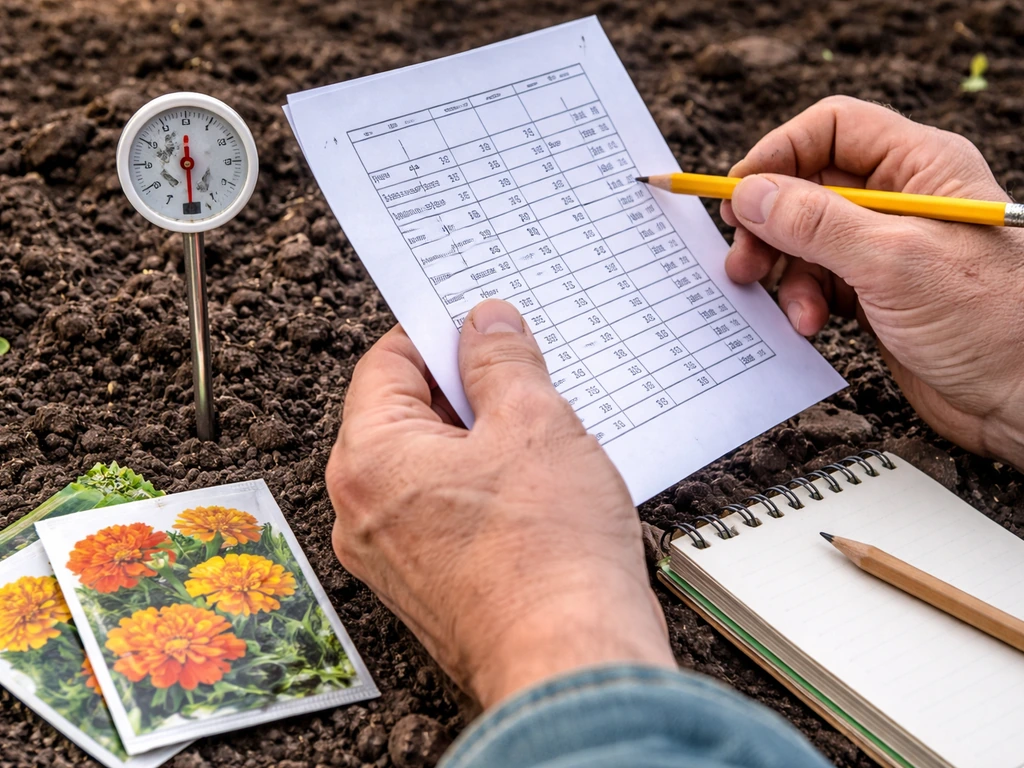
Your local last frost date is the anchor for every timing decision here. If you don't already know yours, check the USDA plant hardiness zone map or a local extension service website and look up the average last spring frost date for your zip code or region. That single date unlocks your whole schedule.
Marigolds are very sensitive to frost. Even a light frost will damage or kill seedlings and young transplants. Beyond frost, the other thing to watch is soil temperature. Marigold seeds need soil that's at least 70°F, and they germinate fastest in the 75 to 80°F range. Cold soil doesn't just slow germination, it can stop it entirely or cause seeds to rot. If you direct sow into soil that's still cold in early spring, you'll get poor results even if frost risk has passed. A cheap soil thermometer takes the guesswork out of this completely.
As a practical rule: in most of the continental US, last frost dates fall between late March (southern states) and late May (northern states and higher elevations). For much of the Midwest and mid-Atlantic, that window is mid-April to mid-May. Today is March 24, 2026, which means if you're in a warmer zone you may already be approaching your outdoor sowing window, while northern growers are right on time to start seeds indoors.
Starting indoors vs. direct sowing outside
This is where a lot of beginners get tripped up. Both methods work, but they suit different situations. Here's how to decide.
Starting marigold seeds indoors
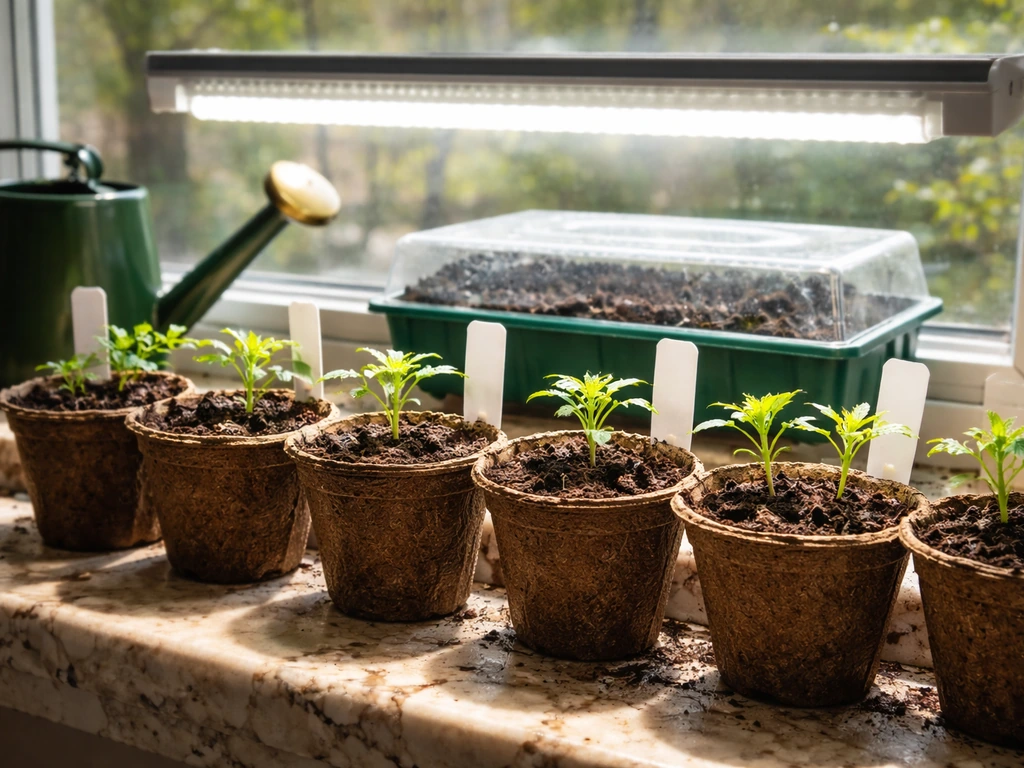
Start seeds indoors 4 to 6 weeks before your last frost date. For African marigolds specifically, you can push that to 6 to 8 weeks because they take longer to reach bloom size. Sow seeds no deeper than 1/4 inch, and make sure the growing medium stays warm, ideally 75 to 80°F. A heat mat under your seed tray is very helpful here. At the right temperature, you'll see germination in 4 to 7 days.
Once seedlings emerge, get them under light immediately. A sunny south-facing windowsill can work, but grow lights set to 16 hours per day give much more consistent results and prevent the leggy stretching that happens when seedlings chase weak indoor light. Keep the soil moist but not waterlogged, and make sure there's some air circulation around the seedlings to prevent damping off.
Seedlings are ready to move outside when they have 4 to 5 true leaves, which usually happens about four weeks after sowing. Before you transplant, you must harden them off: spend one to two weeks gradually increasing their outdoor exposure, starting with a few hours of shade and working up to full sun and outdoor temperatures. Skip this step and you'll likely lose plants to transplant shock.
Direct sowing outdoors
Direct sowing is simpler and works well for French and Signet marigolds. Wait until your last frost has passed and your soil temperature has reached 70°F or warmer. Sow seeds 1/4 inch deep (no deeper than 1/4 inch, and closer to 1/8 inch is fine too). Keep the soil consistently moist until germination. You'll typically see sprouts in 5 to 10 days under good conditions.
The tradeoff with direct sowing is that you're starting later, so you get later blooms. For French marigolds, that's usually fine since they bloom so quickly. But if you want African marigolds blooming in summer, direct sowing in most northern climates won't give them enough season. In that case, starting indoors is the better choice.
| Method | When to Start | Best For | Bloom Timing |
|---|---|---|---|
| Indoors | 4–6 weeks before last frost (6–8 weeks for African types) | All types, especially African marigolds; colder climates | Earliest possible blooms |
| Direct sow outdoors | After last frost, soil at 70°F+ | French and Signet types; warmer climates | Blooms 2–4 weeks later than transplants |
If you're in a region with a long warm season and your last frost is already behind you, direct sowing is perfectly valid and saves you the indoor setup. If you want blooms as early as possible or you're growing African marigolds in a shorter season, start indoors.
Planning for continuous blooms all season
Marigolds bloom continuously through the season, especially if you deadhead spent flowers regularly. But if you want to extend the show even further, or fill gaps as summer heat sometimes causes a brief slowdown, succession sowing is the answer. Start a second batch of seeds two to three weeks after your first sowing. That staggered approach means you'll have waves of new blooms rather than everything peaking at once.
You can also combine a fast French marigold with a slower African marigold sown at the same time. The French types will bloom first, keeping the garden colorful while the African types build up to their big, bold flowers later in summer. For cutting garden use or if you want showy bouquet-quality stems, this combination approach is especially effective.
One more tip: if you missed the early spring indoor sowing window, don't give up. French marigolds sown directly in late spring or even early summer will still bloom within 50 to 60 days, giving you strong color from midsummer through fall. In many climates, a May direct sowing still yields months of flowers before the first autumn frost.
What to do right after sowing
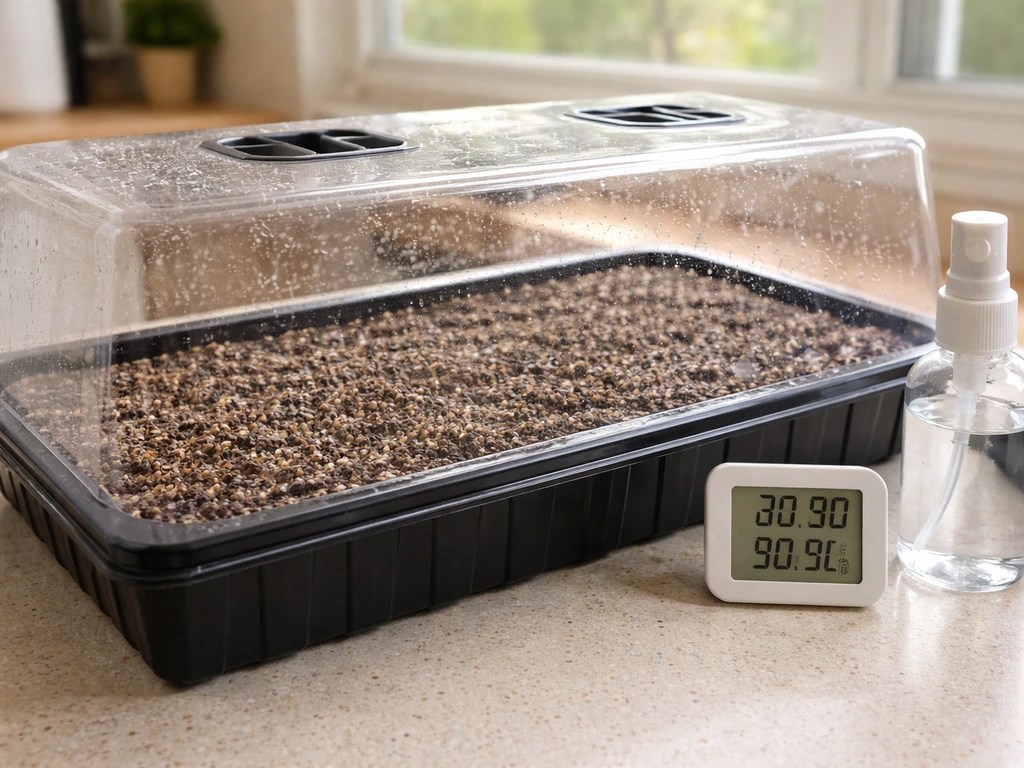
Germination is fast for marigolds, but the period right after sowing is when most beginner mistakes happen. Here's what good post-sowing care actually looks like.
- Keep the soil or seed mix consistently moist but never soggy. Wet, cold soil is the fastest route to seed rot and damping off.
- Maintain soil temperature in the 75 to 80°F range for fastest germination. Dropping below 65°F will significantly slow things down.
- Don't cover trays with solid lids for too long once germination begins. Airflow matters.
- Once seedlings emerge (usually within a week), move them immediately to your brightest light source or set up grow lights at 16 hours per day.
- Thin seedlings once they have their first true leaves. Crowding at this stage invites disease and weak growth.
- Water at the base of seedlings rather than overhead to reduce fungal risk.
- Begin hardening off about two weeks before your intended transplant date if you started indoors.
The first sign that germination is working is the emergence of the radicle, the tiny first root, which you won't see if you're sowing in trays, but the visible cue is a small curved sprout pushing through the soil surface. Once you see that, you're past the highest-risk phase.
Timing mistakes that catch beginners off guard
Most marigold failures aren't about technique, they're about timing. These are the most common mistakes and how to course-correct.
Starting indoors too early
Sowing 8 to 10 weeks before last frost when you only needed 4 to 6 weeks leads to overgrown, root-bound seedlings that are hard to transplant successfully. Stick to the 4 to 6 week window for most types. If your seedlings are ready and frost is still weeks away, pot them up into a slightly larger container to buy time rather than letting them get stressed in their original cell tray.
Planting out too early into cold soil
Just because your last frost date has technically passed doesn't mean your soil is warm enough. Cold soil (below 65°F) slows germination dramatically and causes transplants to sit and sulk rather than grow. Check your soil temperature before planting. If it's still cold, wait a week or two more. Plants put into warm soil in mid-May will often overtake plants that went in two weeks earlier into cold soil.
Skipping the hardening off step
Indoor-grown seedlings are not ready for full sun and outdoor wind right away. Going from a sheltered indoor environment straight to a garden bed causes wilting and sometimes plant death. Spend 7 to 14 days gradually introducing your seedlings to outdoor conditions, starting with shady, protected spots and working toward full sun exposure over that period.
Not accounting for variety differences
African marigolds need much more lead time than French marigolds. If you're growing African types and treat them like French types, starting them only 4 weeks before your last frost, you'll have small plants that take most of summer to bloom. Start African marigolds 6 to 8 weeks before your last frost, and if you're in a short-season climate, definitely start them indoors rather than direct sowing.
Sowing too deep
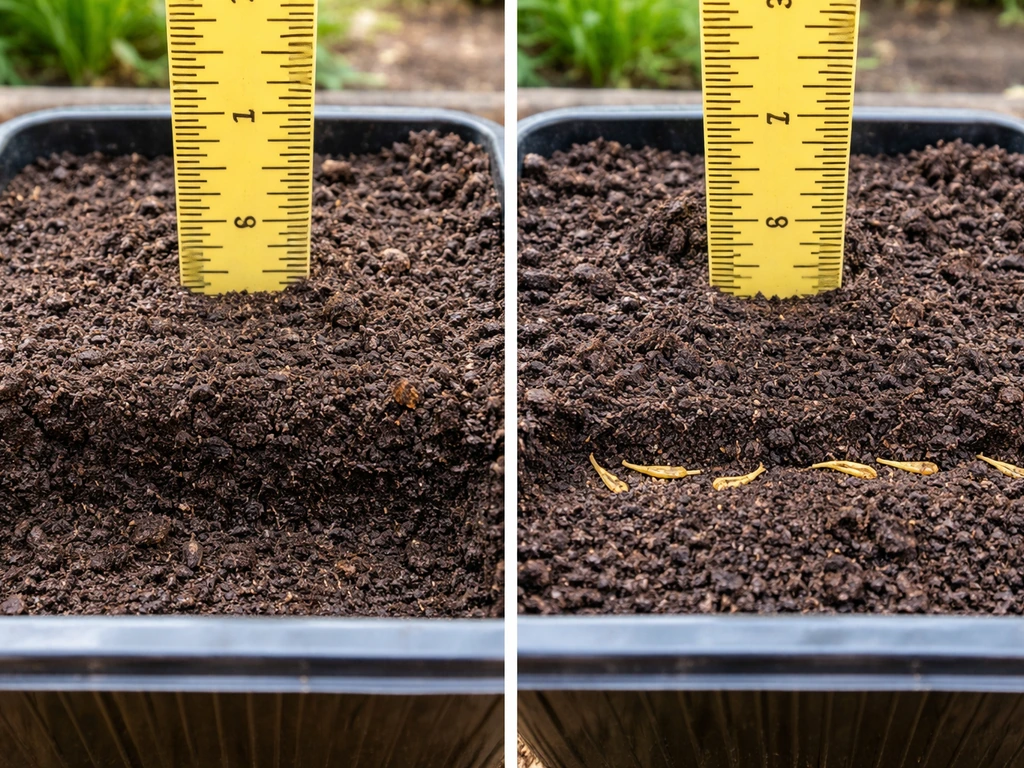
Marigold seeds are small and need to be sown shallowly. More than 1/4 inch deep is too deep, and 1/8 inch is often better. Seeds sown too deeply have to struggle to reach the surface and may exhaust themselves before emerging. Keep it shallow, press seeds gently into contact with the soil, and don't bury them.
Your next steps based on today's date
Today is March 24, 2026. Here's what that means in practical terms depending on where you are.
- Southern states (last frost February to early March): Your frost window has likely passed. Check soil temperature. If it's at 70°F or warmer, you can direct sow French or Signet marigolds now. For African marigolds, start indoors immediately if you haven't already.
- Mid-Atlantic and Midwest (last frost mid-April to early May): You're right in the ideal window to start seeds indoors. Sow today and you'll have transplant-ready seedlings in 4 to 5 weeks, just in time for your frost-free window.
- Northern states and Canada (last frost mid to late May): You have 6 to 8 weeks. This is a great time to start indoors, especially African marigolds. French marigolds can wait another 2 to 4 weeks before indoor sowing if you prefer.
- If you're unsure of your last frost date, look it up today before you sow. It's the single most important number for your planting schedule.
Once you've got your timing sorted, the rest of growing marigolds from seed is straightforward. They're forgiving, fast-growing, and one of the most rewarding flowers you can start from seed. For a full walkthrough of sowing technique and seedling care, For a full walkthrough of sowing technique and seedling care, check out the companion guide on how to grow marigold seeds, which picks up exactly where this timing guide leaves off. how to grow marigolds without seeds
FAQ
If my last frost date has passed, can I plant marigolds as soon as the calendar allows, or do I still need to check soil temperature?
You still need to check soil temperature. Last frost and warm soil are different variables, if the ground is below about 70°F seeds can germinate slowly or poorly, and young plants may stall. If the forecast shows a cold snap, wait for a stable warm stretch before sowing or transplanting.
What soil temperature should I use for timing if I’m direct sowing, and how deep does it matter?
Use soil temperature at seed depth. Since marigolds are sown very shallow (about 1/8 to 1/4 inch), the top layer warms and cools fastest, so measure a few inches into the bed but also pay attention to the surface layer trend. In windy or shaded beds, top-soil may stay cooler even when the air feels warm.
How do I time indoor sowing if I plan to buy or set up a heat mat later?
If you cannot keep the seed-starting mix in the 75 to 80°F range, delay sowing or switch to a later start date. Without consistent warmth, germination can drag beyond the typical 4 to 7 days and seedlings may become weak before they get enough light. A practical approach is to start seeds only when the heat mat and lights are ready.
Can I start marigolds indoors earlier than 6 weeks before last frost to get earlier blooms?
Starting too early is a common timing trap, especially for African marigolds. Overgrown seedlings can become root-bound and suffer when transplanted. If you are forced to start early, plan to up-pot into a larger container before roots crowd, and monitor for true leaf development rather than relying only on the calendar.
How long should I keep seedlings under grow lights, and does day length affect when they bloom?
For best timing control indoors, keep lights on about 16 hours per day until transplanting. If you reduce light or use very short days early in the season, seedlings stretch and can fall behind schedule after transplant, even if your sowing date was correct.
What should I do if seedlings are ready to transplant but outdoor temperatures are still cool at night?
Don’t rush into a cold-night situation. Night temperatures can slow growth even after the last frost passes, and marigolds can suffer from chill stress. Harden them off longer, choose the warmest part of the week for transplanting, and consider temporary protection like row cover for the first week if nights stay cool.
Is 4 to 5 true leaves the exact moment to transplant, or can I use a different cue?
True leaves are a good rule, but you can also use sturdiness and root readiness. Transplant when seedlings have a healthy stem (not floppy), and the root system can be handled without falling apart. If seedlings are small but the soil is warm and you harden them off properly, a slight variation from the leaf count is often fine.
What happens if I sow a little deeper than 1/4 inch, will the seeds still come up?
Sometimes seeds will still emerge, but deeper sowing increases the chance of failure or slow, uneven emergence because small seeds can struggle to reach the surface. If you miss the depth and seedlings do not pop up within the expected window (often 5 to 10 days outdoors), it’s usually better to start another shallow sowing rather than repeatedly disturbing the area.
Should I deadhead as soon as the first flowers open to keep blooms coming without affecting timing?
Yes, but do it gently. Regular deadheading helps maintain continuous bloom through the season, and it reduces the chance of a slowdown after the first flush. If you want predictable waves, combine deadheading with succession sowing so new plants are reaching bloom time as older ones fade.
How do I adjust timing if I’m in a hot climate where summer arrives early?
In short or quickly warming seasons, prioritize African marigolds by starting indoors earlier (about 6 to 8 weeks before last frost) or consider direct sowing only for French and signet types. Also plan succession sowing with less spacing between batches if heat typically interrupts flowering, since the garden may need a second wave sooner.
Next Articles
How to Grow African Marigold From Seed Step by Step
Step-by-step guide to grow African marigold from seed, including timing, sowing, transplanting, care, and troubleshootin
How to Grow Marigold in Water: Step-by-Step Guide
Learn how to grow marigold in water with rooting and hydroponic steps, weekly timeline, and fixes for rot, algae, and le
When to Grow Poppies: Planting Windows by Type
Plant poppies at the right time by type, using frost dates for direct sow or indoor starts plus key soil and aftercare.