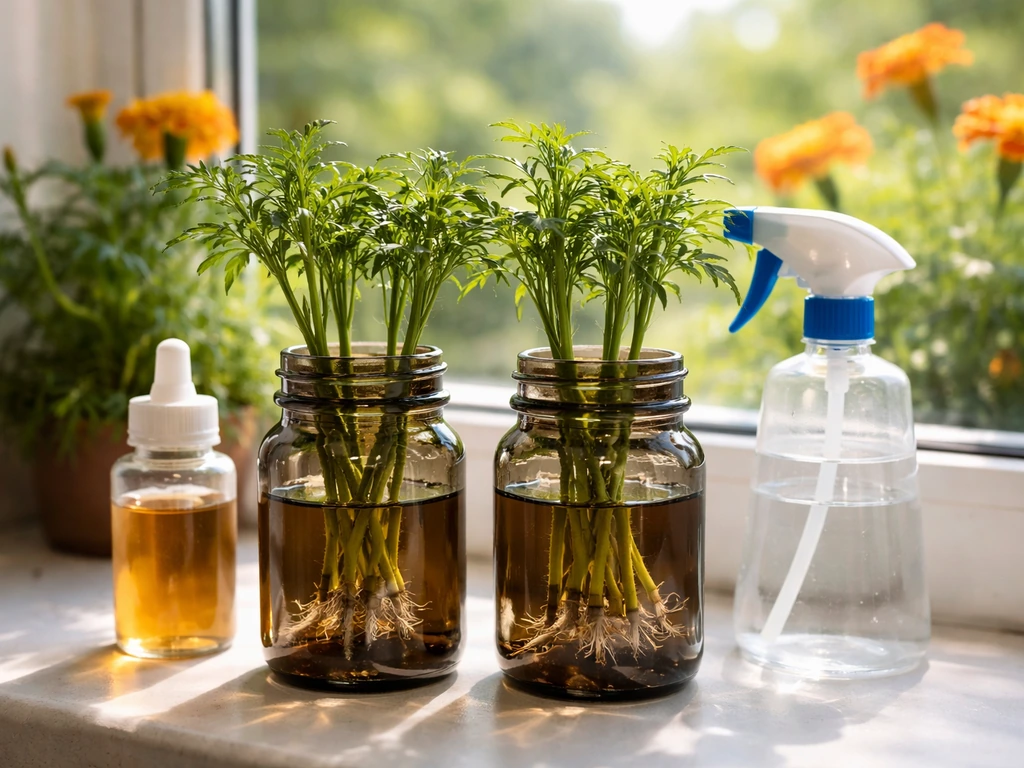
African marigolds (Tagetes erecta) are one of the most rewarding flowers you can grow from seed. They germinate fast, tolerate heat well, and produce bold, fully double blooms that range from soft yellow to deep orange. The process is straightforward, but there are a few things that trip up beginners: timing, sowing depth, and avoiding the common seedling killers. Follow the steps below and you will have healthy transplants in the ground and blooming plants by summer.
How to Grow African Marigold From Seed Step by Step
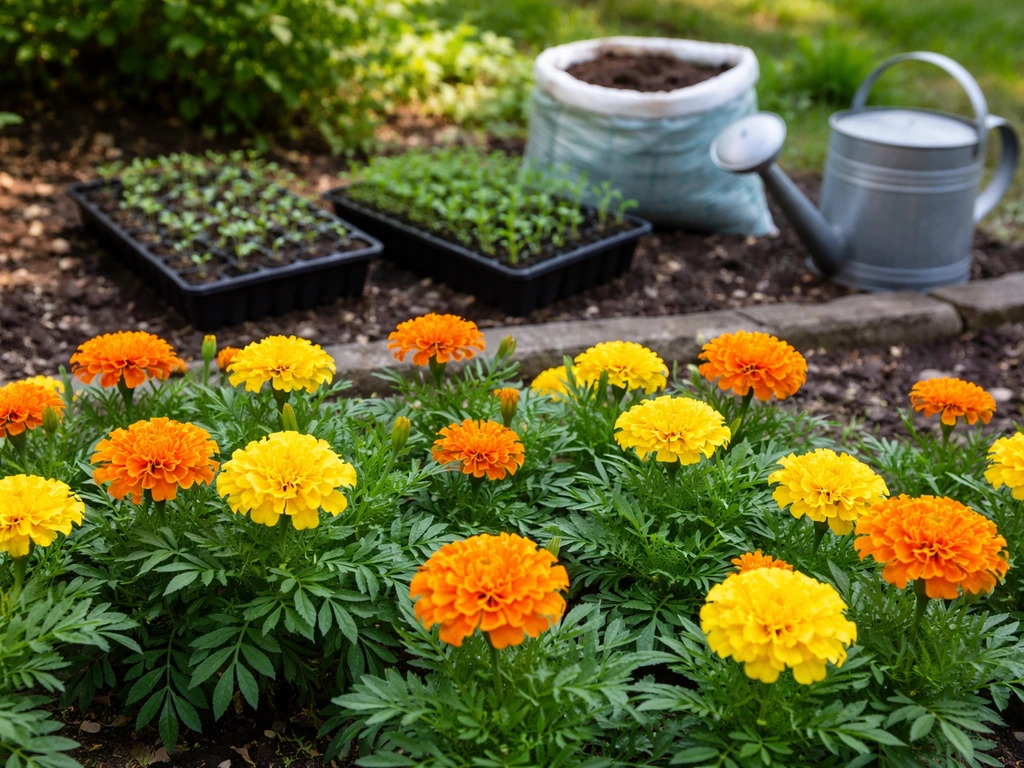
Choose the right African marigold variety and seed
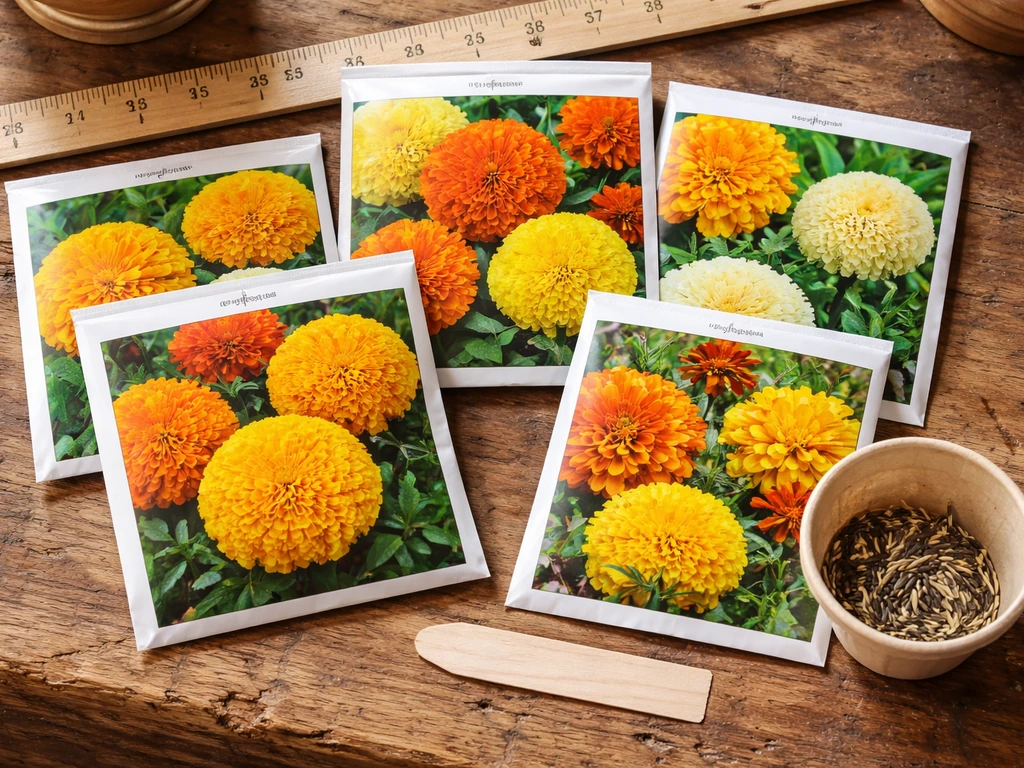
Not all African marigolds are the same size or purpose. Tagetes erecta covers a wide range, from compact 12-inch bedding plants to back-of-border giants pushing 36 inches. Before you buy seed, decide where the plants are going and how tall you want them.
For beginners growing in beds or containers, 'Antigua' is a great starting point. It tops out around 12 inches, forms a tidy bushy habit, and produces fully double flowers that hold up well in the heat. If you want something mid-range with strong commercial breeding behind it, the 'Inca II' and 'Inca Gold' F1 series are reliable, heat-tolerant, and widely available from most seed suppliers. For a tall, classic African marigold at the back of a border or cutting garden, 'Hawaii' is an heirloom variety that can reach about 36 inches with large, fluffy orange flowers.
Across all types, expect fully double flower heads that run 2 to 4 inches across when plants are well-fed and in full sun. When buying seed, choose fresh packets from the current season. African marigold seed viability drops off after one to two years, and poor germination rates are often just a seed freshness problem rather than anything you did wrong in sowing.
| Variety | Mature Height | Best Use | Flower Style |
|---|---|---|---|
| Antigua | ~12 inches | Containers, front of border | Fully double, compact |
| Inca II / Inca Gold (F1) | 18–24 inches | Beds, borders, cutting | Fully double, heat-tolerant F1 |
| Hawaii (heirloom) | ~36 inches | Back of border, cutting garden | Large fluffy double, classic orange |
Recommendation: If this is your first time growing African marigolds, start with 'Inca II' or 'Antigua'. They are forgiving, widely available, and the F1 breeding gives you consistent germination and performance. Save the tall heirlooms for once you have the process dialed in.
Best timing and growing plan
African marigolds are warm-season annuals that absolutely cannot go out before your last frost date, if you’re wondering about winter care, see [how to grow marigold in winter](/article/how-to-grow-marigold-in-winter). They also grow fast from seed, so starting too early indoors just gives you overcrowded, rootbound seedlings with nowhere to go. Keep both of those facts in mind when you plan your timing.
Starting indoors
Sow seeds indoors 4 to 5 weeks before your last expected frost date. African marigolds germinate quickly (more on that below), so there is no benefit to starting earlier than that window. If you start 8 or 10 weeks out, you will have plants outgrowing their cells and going root-bound before it is safe to transplant. If your last frost is around mid-April, that puts indoor sowing in the second half of March. If your last frost is in May, start in late March to early April.
Direct sowing outdoors
You can skip indoor starting entirely and direct sow once frost danger is gone and the soil has warmed up. A practical benchmark is waiting until nighttime temperatures are consistently staying above about 65°F (18°C). Sowing into cold soil is one of the most common reasons for patchy germination outdoors. The seeds just sit there and rot or get hit by late cold snaps. Be patient, wait for genuine warmth, and you will get fast, even germination.
Today's date is March 24, 2026. If you are in USDA Zone 8 or warmer, you are likely in or close to the window for direct sowing outdoors right now, or within a few weeks. If you are in Zone 6 or 7, now is a good time to start seeds indoors so plants are ready to go out in late April to May.
Seed starting: soil mix, sowing depth, and germination expectations
Use a fresh, sterile seed-starting mix, not garden soil or reused potting compost. This matters more than most beginners realize. Old or non-sterile media is one of the primary causes of damping off, the fungal problem that collapses seedlings at the soil line right after they emerge. A dedicated seed-starting mix is fine-textured, drains well, and has no pathogens waiting to ambush new seedlings. Aim for a mix with a pH in the 6.2 to 6.5 range, which is near-neutral and matches what African marigolds prefer.
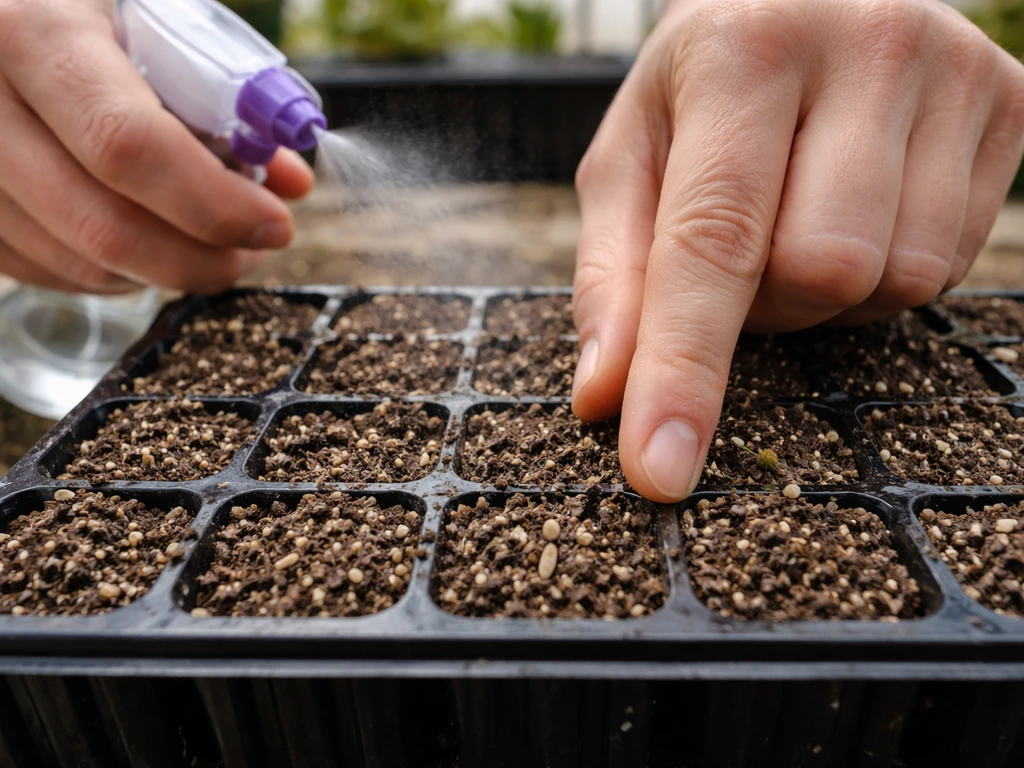
Fill cell trays or small pots, firm the mix gently, and sow one to two seeds per cell. Cover the seeds with about 1/4 inch of mix and press down lightly to ensure good seed-to-soil contact. That 1/4-inch depth is consistent across multiple commercial and home-garden references, so do not go deeper. African marigold seeds need to push through the surface quickly, and burying them too deep slows emergence.
Water the tray gently from the bottom (set it in a shallow container of water and let the mix absorb from below) or use a fine mist to avoid washing seeds around. Then cover the tray with a humidity dome or plastic wrap and place it somewhere warm: a soil temperature of 70 to 75°F (21 to 24°C) is the home-garden target. At that temperature, expect germination in 5 to 7 days. Under tighter commercial conditions closer to 73°F, growers see sprouts in as few as 3 to 5 days.
Once sprouts emerge, remove the dome immediately and move the tray under a grow light or into the brightest window you have. Light is critical from the moment cotyledons appear. Seedlings that sit in low light after germination stretch toward the source and become leggy and weak, which is hard to recover from later. A grow light 2 to 4 inches above the tops of the seedlings for 14 to 16 hours a day solves this completely. Around day 7 after sowing, cotyledons should be fully expanded and you can drop the temperature slightly to around 65 to 68°F at night to encourage compact, sturdy growth.
Transplanting outdoors: spacing, hardening off, and setup
African marigold seedlings are ready to move outside when they have two to three sets of true leaves and nighttime temperatures are reliably above 50°F, with frost off the forecast entirely. But do not go straight from a warm indoor shelf to full outdoor sun. That transition will shock the plants and you will lose days to setback and wilting.
Harden off your seedlings over 7 to 10 days. Start by putting them outside in a sheltered spot with indirect light for just 1 to 2 hours on day one. Add an hour or two of outdoor time each day, gradually introducing more direct sun and wind. By the end of the process, they should be spending most of the day outside and tolerating full sun. The goal is to acclimatize the plant's tissues slowly rather than shocking them with sudden environmental changes.
For spacing at planting, use roughly 30 cm (12 inches) between compact varieties and about 40 cm (16 inches) or more between taller types like 'Hawaii'. Crowding African marigolds reduces airflow, which encourages fungal problems and reduces flowering. When you set each transplant in the ground, plant it at the same depth it was growing in the cell or pot. You can bury the stem up to about an inch higher than the top of the root ball, but avoid burying the lower leaves. Water in well immediately after planting.
Watering and fertilizing for healthy growth and blooms
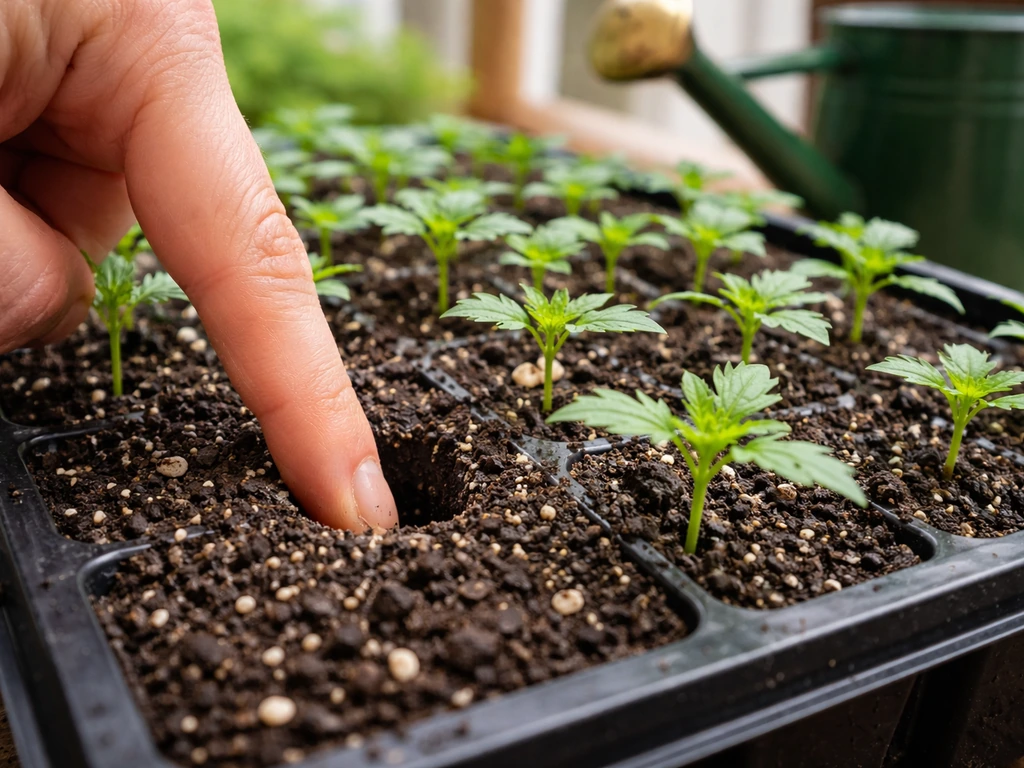
African marigolds like consistent moisture but hate sitting in wet soil. During the seedling stage, keep the mix evenly moist but not soggy. A simple check: press a finger about half an inch into the mix. If it feels damp, wait. If it feels dry, water. Once plants are established in the ground, allow the top inch of soil to dry out between waterings, especially during cooler stretches. In genuine summer heat and dry weather, you may need to water more frequently to keep them performing well.
For fertilizer, a balanced, low-to-moderate feeding approach works best. One of the most common mistakes is over-applying nitrogen. High nitrogen pushes lush, leafy vegetative growth at the expense of flowers, and in some cases can actually shorten flower longevity. Research on Tagetes erecta confirms that excess nitrogen can negatively affect bloom quality and timing. Use a balanced fertilizer (such as a 10-10-10 or similar) at the label rate, applied every two to three weeks once plants are established. If your plants look dark green and leafy but are not flowering well, cut back on nitrogen and let them push energy into blooms instead.
During the seedling and early transplant stages, a diluted liquid feed at half-strength is enough. African marigolds do not need heavy feeding to thrive, and a little restraint here gives you stronger stems and more flowers rather than a wall of foliage.
Sun, soil, and day-to-day care
African marigolds need full sun, meaning at least 6 to 8 hours of direct sunlight per day. This is non-negotiable for strong growth and good flowering. Plants placed in partial shade will stretch, produce fewer flowers, and be more susceptible to disease. Tagetes erecta is described as extremely heat tolerant, which means it actually performs better as summer heats up rather than struggling, as long as it is in full sun with reasonable moisture.
Soil should be well-draining and moderately fertile. A near-neutral pH of 6.2 to 6.5 is ideal. In average garden soil that drains well, African marigolds need little soil amendment beyond a standard pre-planting compost incorporation. Avoid heavy clay that holds water around the roots, and avoid very sandy, nutrient-poor soil unless you plan to fertilize consistently.
Day-to-day care is minimal once plants are established. Deadhead spent blooms to keep plants producing new flowers throughout the season. In very tall varieties, staking may be needed if you are in a windy area. Check soil moisture regularly during dry spells, and keep an eye on lower leaves for any signs of fungal issues, which are most likely when there is poor airflow from crowded spacing.
Troubleshooting common seed and seedling problems
Poor or patchy germination
The most common causes are cold soil temperature, old seed, or sowing too deep. African marigolds need warmth (70 to 75°F) to germinate reliably, if you’re checking progress, you can also see what do marigold seeds look like when they grow. If your indoor space is cool at night, germination will be slow and uneven. Try placing the tray on a heat mat or on top of the refrigerator to maintain consistent bottom warmth. If temperature is not the issue, check your seed packet date. Old seed has significantly lower germination rates. Always sow at 1/4-inch depth, not deeper. how to grow marigold at home. how to grow marigold in water
Damping off
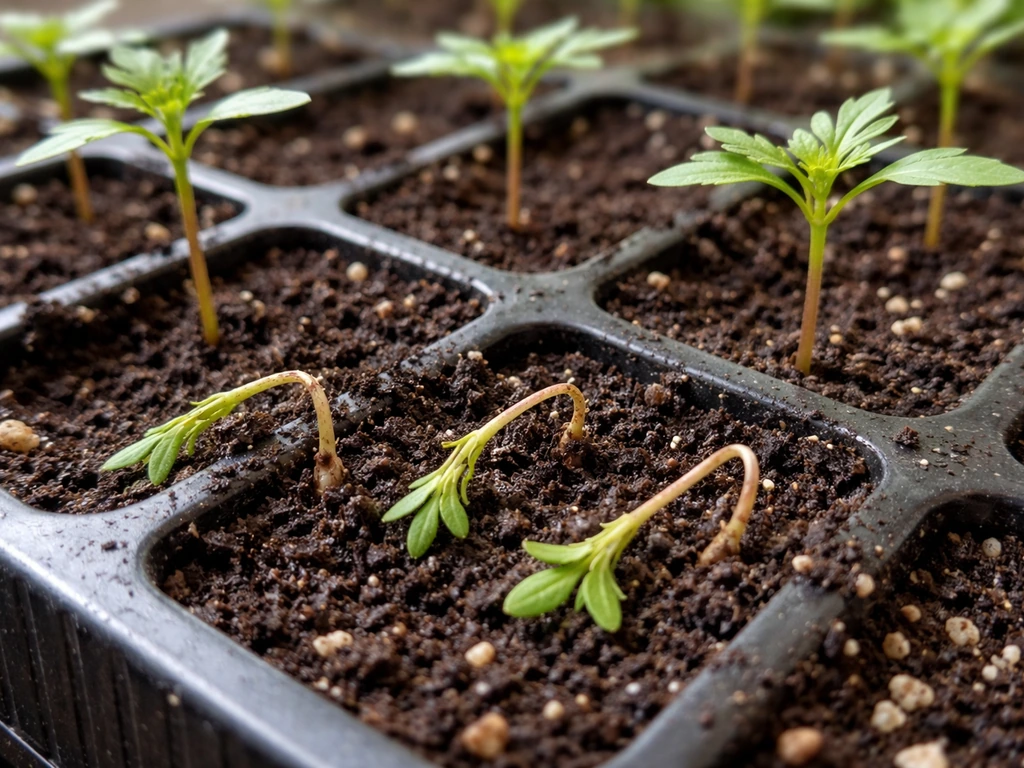
Damping off is a fungal disease that causes seedlings to collapse at soil level right after sprouting. It looks like the stem has been pinched or rotted through at the base. The main causes are overwatering, non-sterile media, and poor airflow. To prevent it: always use fresh, sterile seed-starting mix (never reuse old potting soil), water from below rather than overhead, do not let the mix stay constantly saturated, and give seedlings good air circulation by running a small fan nearby. If you see damping off starting, stop watering immediately, increase airflow, and remove affected seedlings so it does not spread.
Leggy, weak seedlings
Leggy seedlings are almost always a light problem. If seedlings are stretching toward a window or growing tall and thin rather than compact and sturdy, they are not getting enough light. Move them directly under a grow light as soon as they germinate, or place them in the sunniest window available and rotate the tray daily. A small fan running nearby also helps by creating gentle resistance, which encourages thicker stems. If seedlings are already very leggy, you can pot them up slightly deeper to support the stem, but prevention through adequate light from day one is the real fix.
Transplant shock and wilting after outdoor planting
If seedlings wilt badly or stall after going into the garden, the most likely cause is inadequate hardening off. Do not skip or rush that 7 to 10-day transition process. Sudden exposure to outdoor wind, temperature swings, and direct sun is genuinely stressful for plants raised indoors. Water transplants thoroughly right after planting and again the next morning. Shade them lightly for the first day or two with a row cover or even a piece of cardboard propped nearby if the sun is intense. They should rebound within a few days once roots settle in.
Lots of leaves but no flowers
This usually points to too much nitrogen or not enough sun. Check both. Cut back on fertilizer, especially any high-nitrogen formulas, and make sure plants are getting genuine full sun for most of the day. African marigolds flower heavily in summer heat and full light. If they are shaded even part of the day, flowering suffers noticeably. Deadheading spent blooms also signals the plant to keep producing, so keep up with that once flowering starts.
FAQ
What if my African marigold seed is older than 2 years?
African marigold seeds keep best in a cool, dry place and their viability drops after about 1 to 2 years. If your packet is older, do a small germination test on damp paper towels for about a week at 70 to 75°F, and use the results to decide whether to sow thicker or buy fresh seed.
Can I start African marigold seeds outdoors instead of indoors?
Yes, you can, but only after the last frost risk and once nighttime stays reliably warm. Use a well-draining seed bed, sow at about 1/4 inch deep, and keep the surface consistently evenly moist until sprouts appear, because cold, wet soil is what causes many outdoor failures.
How do I know when my African marigold seedlings are ready to transplant?
Do not wait for tall seedlings, transplant when they have 2 to 3 sets of true leaves and frost is off the forecast. If you delay, they can become rootbound in cells and transplant stress increases, even though they germinate quickly.
What is the best timing to start African marigold seeds indoors for early flowers?
If you want earlier blooms, start indoors only within the 4 to 5 week window before your last frost date, then harden off properly. Starting much earlier tends to create overcrowded, rootbound plants that bloom later, even if they survive transplanting.
Is there any way to keep African marigolds alive through winter?
African marigolds are warm-season annuals, so you generally cannot overwinter them outdoors. They die when cold weather arrives, and keeping them indoors is difficult because they need strong light and consistent warmth to continue growing.
Should I keep the humidity dome on after my seeds germinate?
A humidity dome should come off as soon as sprouts appear, otherwise airflow is limited and damping off risk increases. Once cotyledons are up, switch to light-first placement, fine watering, and a gentle breeze (like a nearby fan) to strengthen stems.
My seedlings sprouted but they fell over, what should I do?
If seedlings emerge but collapse at the soil line, treat it as damping off. Stop watering, improve airflow, remove affected seedlings, and let the mix dry slightly between watering, using bottom watering going forward with sterile seed-starting mix.
How do I avoid overwatering African marigold seedlings?
Overwatering and low airflow are common culprits. Water only when the top portion of the mix dries, mist lightly if needed, and keep spacing and ventilation in mind, especially once seedlings are large enough that leaf surfaces stay wet.
What spacing should I use when planting African marigold transplants?
For compact types, plan around 12 inches between plants, and for tall varieties give about 16 inches or more. If you crowd them, airflow drops, which increases fungal issues and reduces bloom performance.
Why aren’t my African marigolds flowering even though they look healthy?
African marigolds need full sun, at least 6 to 8 hours of direct light. If they get partial shade, they often grow taller and flower less, so move them to the sunniest spot you have rather than trying to force blooms with extra fertilizer.
How much fertilizer should I use, and what’s the risk of too much nitrogen?
Use balanced fertilizer at label rate every 2 to 3 weeks once established, and avoid nitrogen-heavy feeds. If the plants are very dark green and leafy with few flowers, reduce or pause feeding and make sure they are getting full sun.
How often should I deadhead African marigolds, and do tall varieties need staking?
Deadheading helps most when you remove spent heads soon after they fade. Keep a steady rhythm, especially during peak summer bloom, and if you have very tall plants in wind, check that stems are supported so flowers do not keep snapping off.
My seedlings are leggy and thin, can I save them?
If seedlings are leggy, the fix is immediate: move them under a grow light or into the sunniest window right away, rotate the tray daily, and run a small fan nearby to encourage sturdier stems. Potting them deeper can help support them, but it does not correct the lack of light.
What are the most common reasons African marigold seeds fail to germinate?
If your sowing depth is too deep or your room is cool at night, germination becomes slow and uneven. Re-check that you kept seeds at about 1/4 inch depth, and if indoor temps dip, use a heat mat to maintain around 70 to 75°F.
What should I do right after transplanting African marigolds to prevent wilting?
Yes, but they still need warm, bright conditions to thrive after transplant. Water in well after planting, water again the next morning, and shade lightly for a day or two if the sun is intense while roots settle.
Next Article
How to Grow Marigold in Water: Step-by-Step Guide
Learn how to grow marigold in water with rooting and hydroponic steps, weekly timeline, and fixes for rot, algae, and le