Yes, you can grow marigolds in winter, but you need to do it indoors or in a protected setup. Every marigold species, African (Tagetes erecta), French (Tagetes patula), and signet (Tagetes tenuifolia), is frost-intolerant. French marigolds can handle a brief dip to around 30°F, but a true freeze will kill them. That means outdoor winter growing only works if you live somewhere that stays reliably mild, think USDA zones 9–11 with winters that never dip below freezing. For everyone else, the plan is: grow them inside under lights, in a greenhouse, or in a cold frame, and transition them out once spring arrives. Done right, winter-started marigolds give you a serious head start and can be blooming weeks ahead of direct-sown spring plants.
How to Grow Marigold in Winter: Step-by-Step Guide
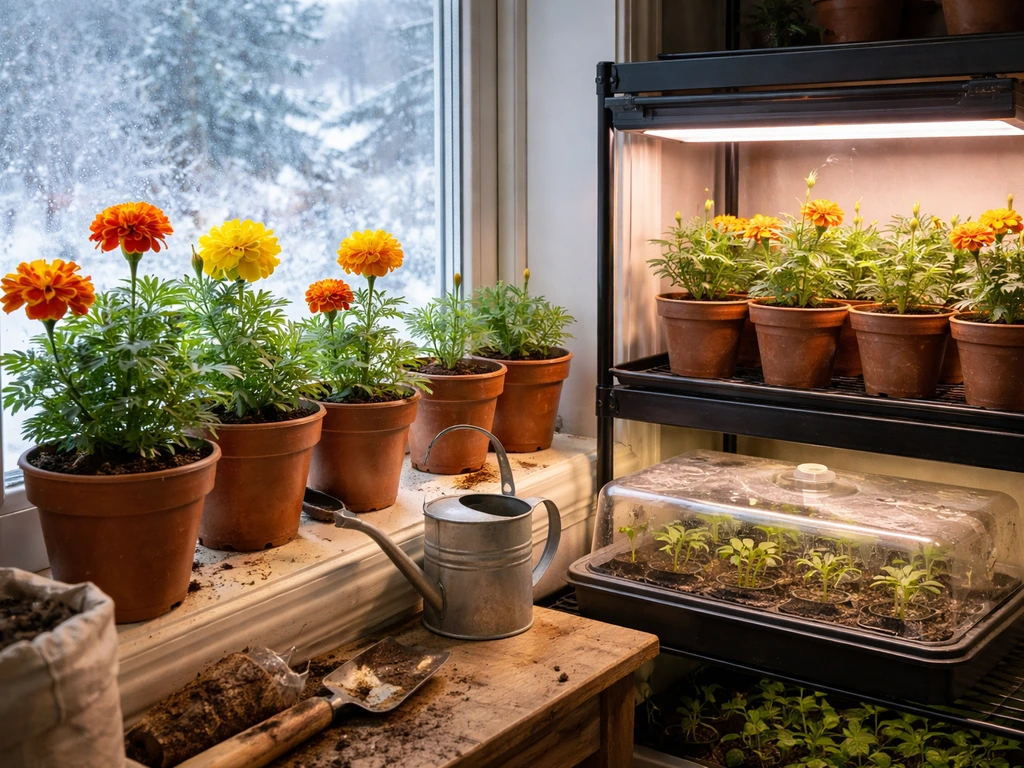
Can marigolds actually survive winter cold?
The short answer is no, not in frost-prone climates. African marigolds are described in commercial crop manuals as "very sensitive to frost," and French marigolds, while slightly tougher, are still killed by freezing temperatures. Signet marigolds are in the same boat. None of these are plants that will shrug off a hard frost and bounce back. If your winter nights regularly drop below 32°F, any marigold left outside without protection will die.
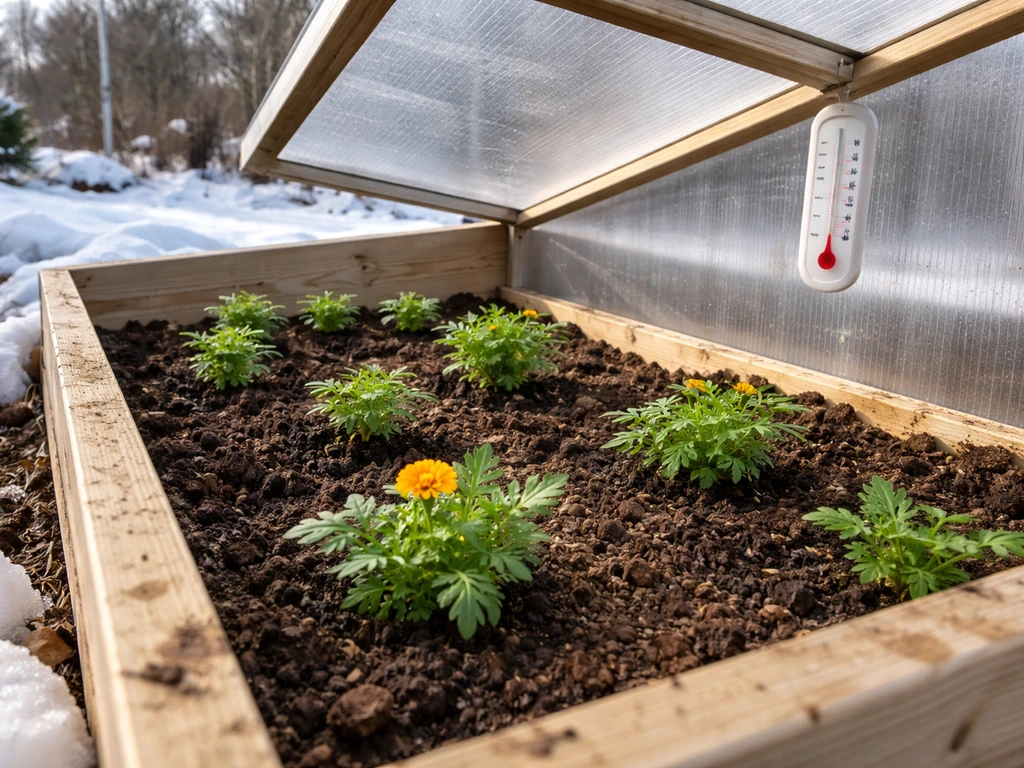
Where outdoor winter growing does make sense is in truly mild climates with no frost risk, or in a well-managed cold frame where nighttime temps can be buffered above freezing. For everyone in colder zones, the smart move is to bring the project inside. Think of winter as a head-start season, not a barrier.
Choosing the right marigold for a winter start
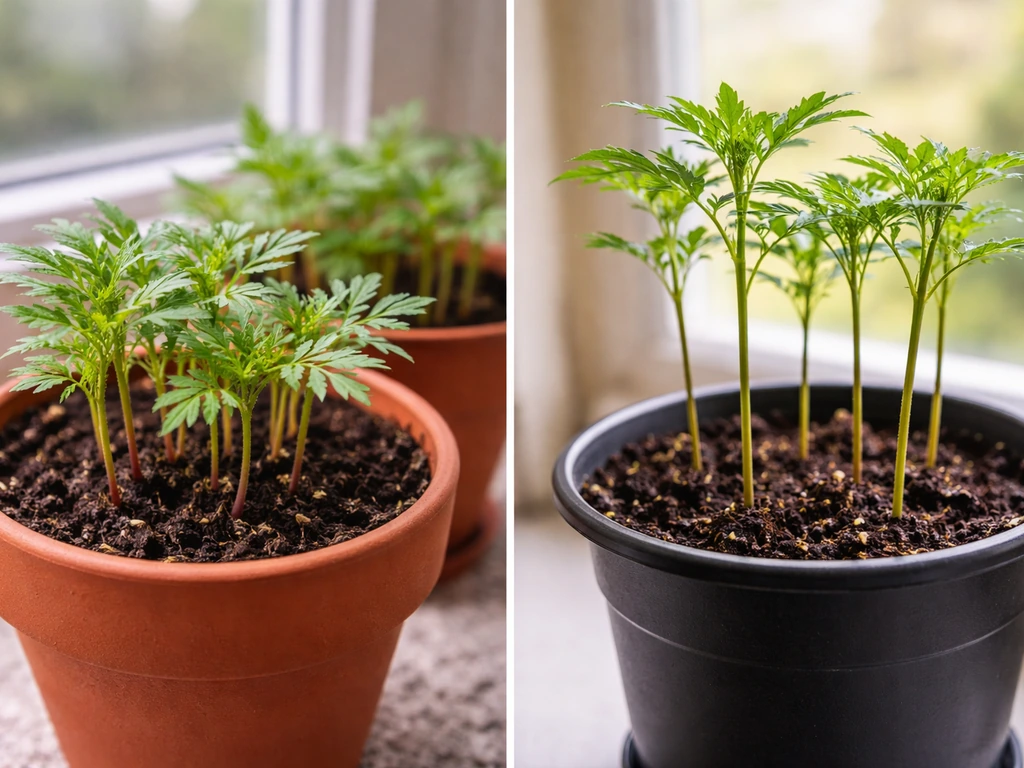
French marigolds (Tagetes patula) are the best choice for winter indoor growing. They're compact, faster to bloom, and more manageable on a windowsill or under a grow light than tall African types. Look for dwarf or compact cultivars in the 8–12 inch height range. Varieties like 'Bonanza,' 'Safari,' and 'Durango' series are widely available and perform well in container growing conditions.
African marigolds (Tagetes erecta) can absolutely be started indoors in winter, but they get large and need more space. They're an excellent choice if you're starting seeds in late winter (February or early March) with the goal of transplanting out in spring, rather than trying to keep a big plant alive on your kitchen windowsill for months. If you're aiming for a cutting garden or want those big, bold blooms for summer bouquets, start African marigolds indoors 4–6 weeks before your last frost date. We cover African marigold specifics in more depth in our guide on how to grow African marigold.
Signet marigolds are charming but less commonly grown; they work fine for indoor starts but are better suited to people who already have experience with the basics.
Indoor vs. outdoor protected setups: what actually works
Growing indoors (windowsill or grow lights)
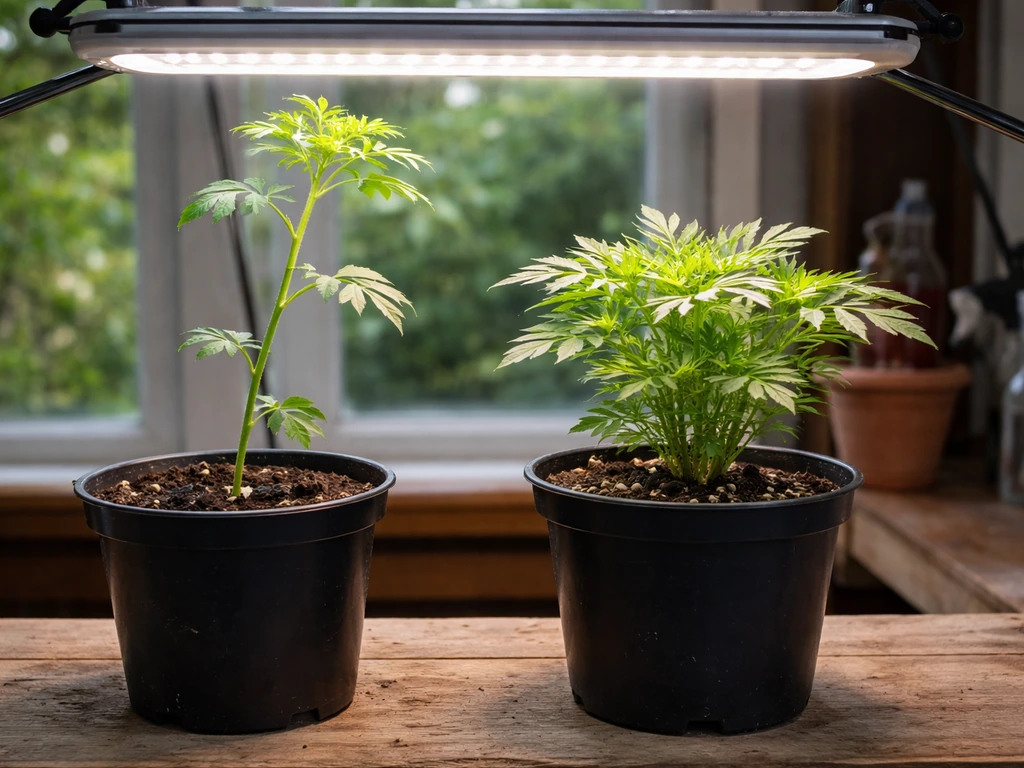
A south-facing windowsill can work for marigolds, but it's almost always borderline. Winter light is short and low-angle, and without supplemental lighting you'll likely end up with leggy, weak plants that never flower well. A dedicated grow light setup is far more reliable. Position your grow light 3–4 inches above seedlings and run it on a 16-hours-on, 8-hours-off schedule. Commercial marigold production targets 4,000–6,000 foot-candles during active growth, which a decent full-spectrum LED grow light can deliver at close range. Keep the room temperature between 65–72°F during the day for best results.
Cold frames and greenhouses
A cold frame or unheated greenhouse extends your options considerably, especially in late winter. Aim for daytime temperatures of 65–70°F and nighttime temperatures of at least 50–55°F inside the frame. Below 50°F, marigold growth slows noticeably; below freezing, plants will die. In a heated greenhouse you have full control and can treat it almost like an indoor setup. Cold frames are best used for hardening off plants started indoors, or for overwintering rooted plants in mild climates where the structure keeps temps above freezing.
Outdoor growing in mild-winter climates
If you're in a zone where winter nights reliably stay above 35–40°F and frost is rare or absent, you can grow marigolds outdoors in containers or beds year-round. Use containers so you can move them under cover on the rare cold night. Compact French marigolds are the best pick here too. Keep the same care principles you'd use in summer: good drainage, regular watering without waterlogging, and as much direct sun as you can get. what do marigold seeds look like when they grow
When to sow or plant: winter timing from seed and transplants
Starting from seed indoors
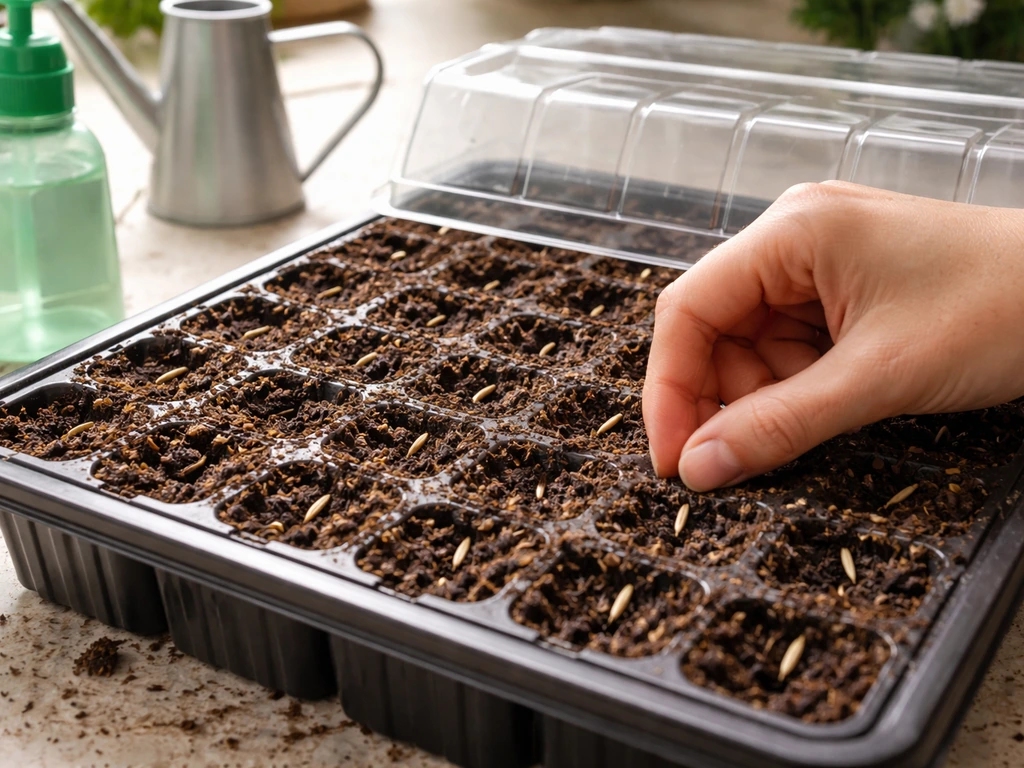
Marigold seeds germinate quickly when conditions are right. At a soil temperature of 75–80°F, you can expect sprouting in 4–7 days. At cooler soil temps around 70–73°F, germination still happens reliably but takes a few extra days. Fill a seed tray with a fine, moist seed-starting mix, press seeds about 1/8 inch deep (lightly covered), and use a heat mat to maintain soil temperature. Some cultivars don't need light to germinate, while others do, so check your seed packet. Either way, once seedlings emerge, get the lights on immediately.
For timing: if your average last frost date is mid-April to early May, start seeds indoors in late February to early March. That 4–6 week window gives you transplant-ready seedlings without them getting too large and rootbound before you can move them outside. If you're growing purely for indoor enjoyment through winter with no outdoor plan, you can start seeds any time between November and February and just keep them under lights.
Using transplants or established plants
If you've bought or received a marigold transplant in winter, pot it up immediately into a container with good drainage and put it under your grow light or in your sunniest window. Don't try to push growth with heavy fertilizer right away; let the plant settle for a week or two first. Nursery-bought transplants in winter are rare, but if you overwintered a plant from the previous season or received a cutting, the same rules apply: warmth, light, and careful watering.
Soil, pot size, and watering in winter
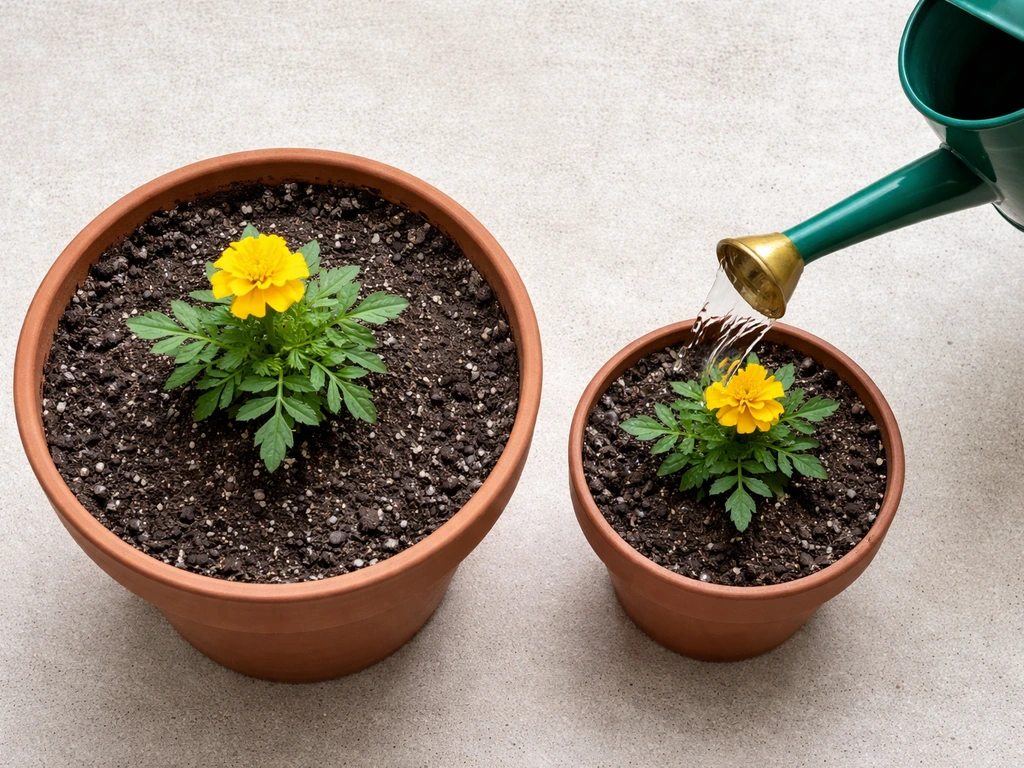
Pot size matters more in winter than people think. A pot that's too large holds excess moisture around roots, and in the lower-light, slower-growth conditions of winter that means root rot risk goes up fast. For individual marigold plants started from seed in winter, a 4-inch pot is plenty to start. As plants grow, move up to a 6-inch or 8-inch pot. Only go larger if you're growing African marigolds or planning to keep them in containers long-term.
Use a well-draining potting mix, not garden soil. A mix that contains perlite or coarse sand is ideal. Pythium and Phytophthora root rot, the two most common killers of containerized marigolds, thrive in saturated, poorly drained soil. Good drainage isn't optional. Make sure every pot has drainage holes and isn't sitting in a saucer full of standing water.
Watering in winter should follow a simple rule: water when the top inch of soil feels dry, then water thoroughly so it drains out the bottom, and don't water again until that top inch dries out again. In a cool, low-light indoor environment, this might mean watering only every 5–10 days depending on your pot size and room conditions. Avoid overhead watering if you can; water at the base of the plant. This keeps foliage dry and reduces fungal disease risk significantly.
Light and fertilizing through the winter months
Light is the single most important factor for indoor winter marigolds. Without enough of it, plants go leggy, fail to branch, and never flower properly. If you're using a grow light, keep it 3–4 inches above the tops of your plants and run it for 16 hours a day. As plants grow taller, raise the light to maintain that distance. A simple timer makes this effortless. Note that flowering in marigolds can actually be delayed by very long day lengths (more than 12 hours), which matters more in controlled greenhouse production. For home growers, the 16-hour light schedule is generally fine because home grow lights aren't delivering the same intensity as commercial production lighting, so you need the extra duration to compensate.
For fertilizing, go light but consistent. A balanced liquid fertilizer at half the recommended dose, applied every two weeks, is a good winter routine. Marigolds don't need heavy feeding, especially when growth is slower in winter. Too much nitrogen produces lush green growth but weak stems and delayed flowering. Once you see flower buds forming, you can switch to a bloom-promoting formula with a higher phosphorus number, but even then, keep the dose moderate.
Common winter problems and how to fix them fast
| Problem | Likely Cause | Quick Fix |
|---|---|---|
| Leggy, stretched stems | Not enough light or light too far away | Move grow light to 3–4 inches above plants; increase daily light duration to 16 hours |
| Yellowing lower leaves | Overwatering or root rot beginning | Check drainage; let soil dry out; inspect roots for brown/mushy tissue |
| White powdery coating on leaves | Powdery mildew from poor airflow | Improve air circulation; space plants apart; remove affected leaves |
| Gray fuzzy mold on stems or flowers | Botrytis (gray mold) from high humidity | Remove infected material immediately; increase airflow; reduce watering |
| Wilting despite moist soil | Pythium/Phytophthora root rot | Unpot and inspect roots; remove rotted roots; repot in fresh well-draining mix; reduce watering |
| Fine webbing on undersides of leaves | Spider mites (common in dry indoor air) | Wipe leaves with a damp cloth; apply horticultural oil at 3–4% dilution; increase humidity slightly |
| Pale, washed-out leaf color | Nutrient deficiency or insufficient light | Check light levels; apply balanced liquid fertilizer at half-dose |
| No flowers forming | Insufficient light or plant too young | Ensure 16-hour light schedule; French marigolds bloom in 8–10 weeks from seed |
The two biggest killers of indoor winter marigolds are overwatering and insufficient light. Fix those two things and you eliminate most of the problems on that list before they start. For fungal issues like Botrytis and powdery mildew, good airflow is the prevention. Don't crowd plants together and make sure there's some air movement in the room, even just from a small fan running on low.
Hardening off and moving your plants outside
Plants grown indoors all winter are not ready to go straight outside. They've been living in stable temperatures, no wind, and controlled light. Putting them directly into outdoor conditions, even mild ones, causes transplant shock and can set them back significantly. Hardening off is the process of gradually introducing them to outdoor conditions, and it makes a real difference in how quickly they take off once planted out.
Start hardening off about 7–10 days before your intended planting date, once nighttime outdoor temperatures are reliably staying above 50°F. Begin by putting plants outside in a sheltered, partially shaded spot for 1–2 hours on the first day. Increase outdoor exposure by an hour or two each day. By day 5 or 6, they can handle a few hours of direct sun. By day 7–10, they can stay outside all day. You can leave them out overnight once nighttime temps are staying above 50°F consistently. A cold frame is ideal for this transition period, since it buffers temperature swings and lets you crack it open gradually.
- Days 1–2: 1–2 hours outside in shade or dappled light, bring in before evening
- Days 3–4: 3–4 hours outside, introduce some direct morning sun
- Days 5–6: Half-day outside including direct sun, bring in at night
- Days 7–8: Full day outside, bring in if overnight temps will drop below 50°F
- Days 9–10: Leave outside overnight if temps stay above 50°F, then plant out
Hardening off isn't just about temperature. It also toughens the plant physically, adjusting leaf structure and water content so it can handle wind, variable moisture, and full outdoor sun without scorching or wilting. Plants that are properly hardened off establish much faster than those that aren't, and that translates directly into earlier and more abundant blooms.
Once your winter-started marigolds are in the ground or in outdoor containers and past the hardening-off stage, they'll typically take off quickly as days lengthen and temperatures rise. French marigolds started in February can be blooming by late April or early May in most temperate climates, weeks ahead of direct-sown spring plants. That's the payoff for the extra effort in winter, and it's genuinely worth it.
If you want to go deeper on the seed-starting side of things, our guide on how to grow marigold seeds covers germination techniques and early seedling care in more detail. And if you're planning out your full growing season, the guide on when to grow marigold seeds will help you map out your timing from winter all the way through summer successions.
FAQ
Can I move my winter-started marigolds outdoors during the day, even if nights are still cold?
Yes, but avoid leaving them outdoors during any freeze risk. Even if the soil is warm from the day, marigolds are frost-intolerant, so a cold overnight is what usually kills them. If you want to “test” them, do it during the warmest mid-day hours first, and bring them back before temperatures drop below about 50°F.
My marigolds look leggy indoors in winter. How do I fix it?
A grow light schedule that is too short is a common reason for weak, non-flowering plants in winter. If you are not getting enough intensity, extend to about 16 hours a day as described, and keep the light close enough (roughly 3 to 4 inches) to maintain brightness at the canopy.
What pot size should I use for marigolds in winter to avoid root rot?
Don’t assume that a slightly larger pot is automatically better in winter. Too much pot volume can stay wet longer, increasing root rot risk. For seed-started plants, start around 4 inches, then step up as the plant roots fill the container.
My winter marigolds aren’t growing much. Is it a fertilizer or temperature problem?
If plants seem stunted despite adequate light, check temperature and fertilizer first. Marigolds grow much slower below the mid-50s at night, so keep nighttime temps at least around 50 to 55°F (in a cold frame or greenhouse). Also, use only half-strength balanced fertilizer and avoid high-nitrogen feeding, which can delay buds.
Why are my marigolds turning yellow indoors in winter?
If you see yellowing leaves plus a sour or “swampy” soil smell, that often points to overwatering and poor drainage rather than nutrient deficiency. Let the top inch dry before watering again, empty saucers, and ensure the mix is well-draining (perlite or coarse components help).
What watering habits reduce fungal problems on indoor marigolds in winter?
Overhead watering can be a bigger issue indoors because foliage stays wet longer, which raises the chance of Botrytis or powdery mildew. Water at the base, increase airflow with a small fan, and avoid crowding so leaves dry quickly.
Can I overwinter marigolds in a cold frame, or will freezing nights ruin them?
Yes, but only if the plants will not be exposed to temperatures that dip below freezing. A cold frame can overwinter rooted plants or harden off seedlings, but you still need to monitor overnight lows. If nighttime temperatures are likely to fall into freezing territory, treat it like a short-term buffer and move plants under protection or bring them inside.
How can I speed up marigold seed germination in winter?
For indoor starts, germination timing is mainly about soil warmth and moisture consistency. Using a heat mat to maintain around 75 to 80°F speeds sprouting to about a week, while cooler soil around low 70s extends it by a few days. Also keep the seed-starting mix consistently moist but not soggy.
Do marigold seeds need light to germinate, and how deep should I sow them in winter?
Yes, seed packet instructions matter. Some marigolds do not mind being covered lightly, but others prefer light exposure during germination. If you are unsure, start with about 1/8 inch coverage as described, and then adjust based on the packet’s specific light guidance.
Why are my indoor marigolds not flowering, even though they’re healthy?
Winter lighting can delay or suppress flowering if plants experience very long day lengths in greenhouse-style conditions. For home setups, the 16 hours on schedule is generally a safe target, but avoid running lights far longer unless you have a controlled reason and adequate intensity.
I bought a winter marigold transplant. Should I prune it and when should I start feeding?
If you bring them inside for winter, prune lightly before moving them under lights, but don’t do a heavy cut right before transplanting. Let plants settle for about a week, then resume light feeding at half strength if needed. Sudden changes in light intensity can cause stress.
How do I harden off marigolds without shocking them (especially if sunny days turn windy)?
When hardening off, it helps to use a sheltered spot first (part shade, protected from wind), then increase direct sun gradually. If leaves start to wilt or scorch, step back a day or two in the schedule rather than pushing through, and keep nights above about 50°F before leaving them out overnight.