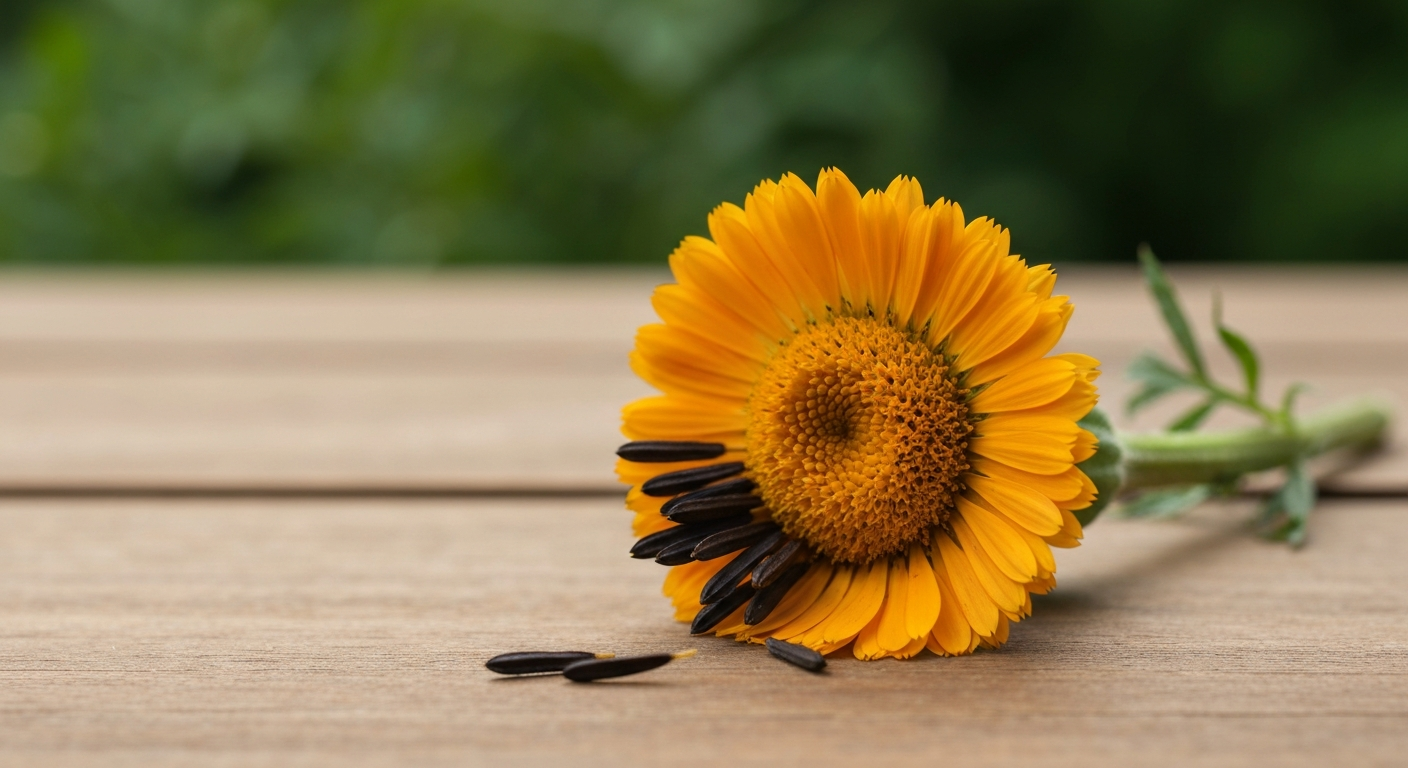
Gypsy flower is a common name for Cynoglossum officinale, also called houndstongue. It's a biennial wildflower in the borage family (Boraginaceae) with soft, tongue-shaped leaves and small clusters of reddish-purple flowers that appear in its second year. Before you sow a single seed, there are two things you need to know: it behaves as a biennial, meaning you're committing to a two-year process before you see blooms, and in many U.S. states it's classified as a noxious or invasive weed, so you'll want to check your local regulations before planting. If you're growing it in a controlled setting with careful seed containment, here's exactly how to do it right.
How to Grow Gypsy Flower at Home: Step-by-Step Guide
Marcus Holloway
28 Jun 2026
What exactly is the gypsy flower (and where to get seed)
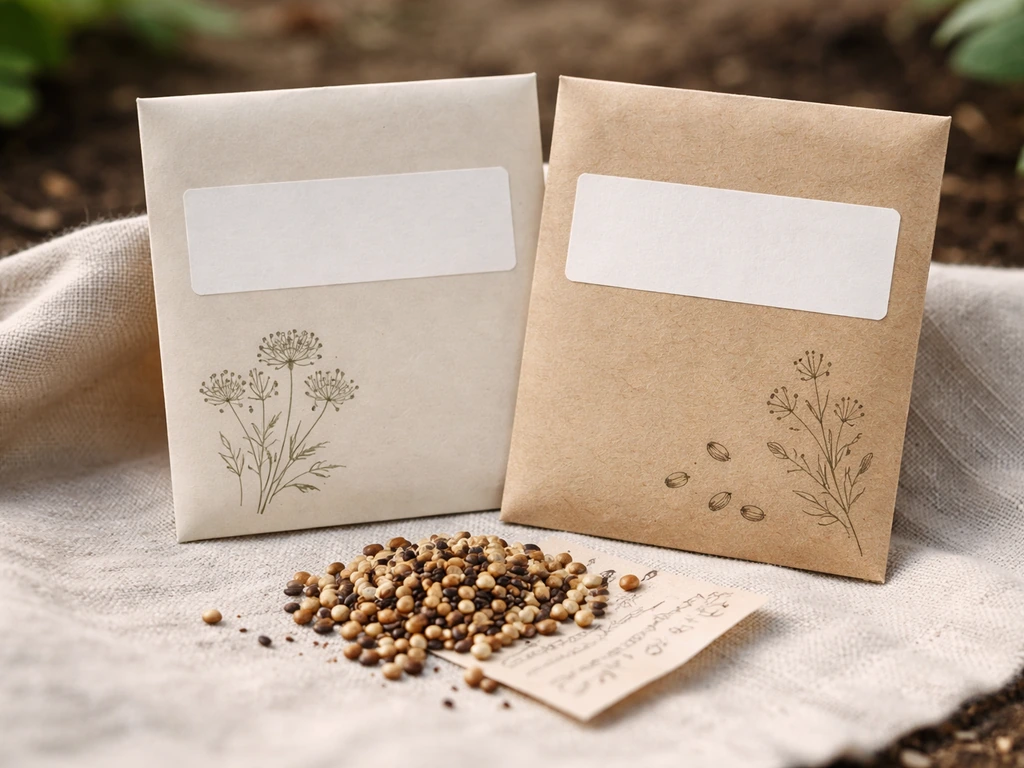
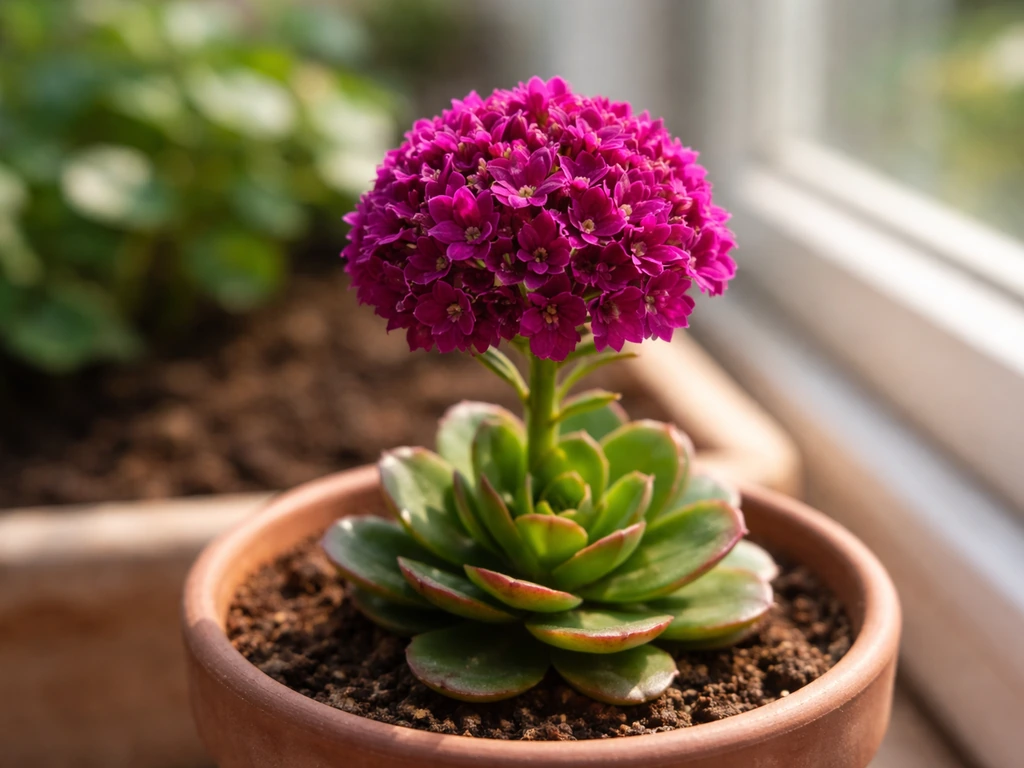
Cynoglossum officinale goes by several names: houndstongue, gypsy flower, and dog's tongue are the most common. The plant is native to Europe and western Asia but has naturalized widely across North America. It forms a basal rosette of large, fuzzy grey-green leaves in year one, then sends up a flowering stalk reaching 2 to 4 feet tall in year two, topped with small, deep burgundy-red flowers from roughly May through July. The seeds are covered in sticky burs that cling to clothing and animal fur, which is partly why the plant spreads so readily and why end-of-season management matters so much.
For seed sourcing, your best bet is a reputable specialty seed supplier rather than collecting from the wild. Chiltern Seeds lists Cynoglossum officinale in their catalog, and Magic Garden Seeds sells it explicitly labeled as 'Houndstongue / Gypsy Flower.' Both ship seeds with species-name labeling, which means you'll know exactly what you're planting. Avoid sourcing from roadsides or wild patches, not only because of spreading risk but because wild-collected seed has unpredictable dormancy and germination rates. One important heads-up: Washington State classifies houndstongue as a quarantined noxious weed, meaning it's illegal to buy, sell, or transport seed within or into the state. Check your state's noxious weed list before ordering.
Pots or garden beds, sun or shade, and getting the soil right
Gypsy flower is adaptable, but that adaptability is part of what makes it invasive in open landscapes. Hungarian blue breadseed poppy is a different type of poppy, but the same careful, containment-minded approach helps you grow it responsibly. For home growing, containers are actually the smarter choice because they limit root spread and, more importantly, make seed containment much easier. A deep container of at least 12 inches works well since the plant develops a substantial taproot. If you grow in a garden bed, choose a contained spot with defined borders and plan to remove seed heads before they mature.
For light, gypsy flower is shade tolerant but performs best in full sun when water and nutrients are adequate. Aim for at least 6 hours of direct sunlight daily for strong stem development and good flowering. A part-shade spot will still work, but expect slightly looser, more open growth.
Soil-wise, this plant isn't fussy. Research shows it grows well across a pH range from weakly acidic to calcium-rich (roughly pH 6 to 7.5), and it naturally colonizes disturbed, well-drained ground. Prepare your bed or pot with a well-draining mix amended with compost. Avoid waterlogged or compacted soil, which will cause root rot and slow germination. If your garden soil is heavy clay, work in perlite or coarse grit to improve drainage.
When to sow: timing it for your climate
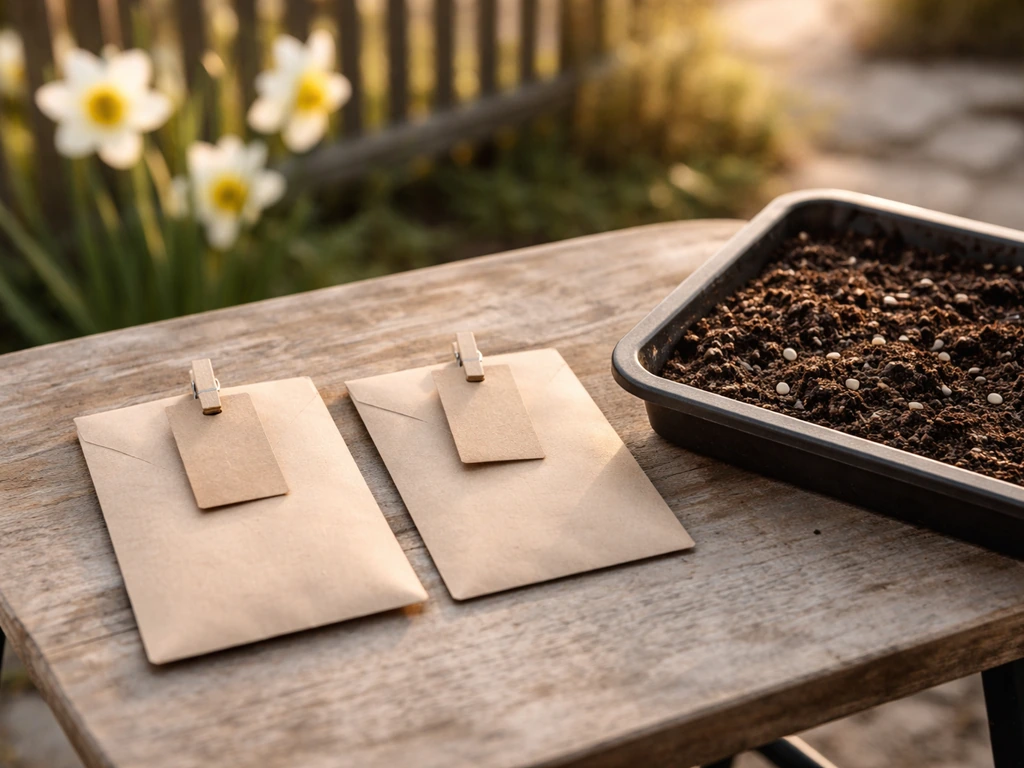
Timing is the single most important factor for reliable germination with Cynoglossum officinale. The seed has a coat-related dormancy mechanism that needs to be broken before it will sprout, and the most natural way to break it is through a period of cool, moist conditions, basically what happens to seed that overwinters in the ground. In studied European habitats, the main germination window falls in March and April, following a winter of cold moisture.
For home gardeners, this translates into two practical options. The most reliable approach, backed by agronomic research, is to sow in October, allow the seeds to experience natural winter chilling outdoors, and expect emergence in early spring. If you're in a cold-winter region (USDA zones 4 to 7), outdoor autumn sowing is your best bet. In milder climates (zones 8 and above) where winters don't get reliably cold and wet, you'll need to cold-stratify seed artificially before a late winter or early spring sow. If you miss autumn sowing, you can still direct sow in early spring (late February to early March), but germination will be slower and patchier without pre-treatment.
How to sow and start your seeds
Cold stratification (if needed)
If you're spring sowing or in a mild-winter climate, cold-stratify your seeds before planting. Place seeds in a small zip-lock bag with a pinch of slightly damp vermiculite or sand, seal it, and refrigerate at around 35 to 40°F for 4 to 6 weeks. Check periodically for mold. After stratification, the seed coat is softened enough to allow water uptake and germination to begin. This mimics what winter does naturally.
Direct sowing outdoors
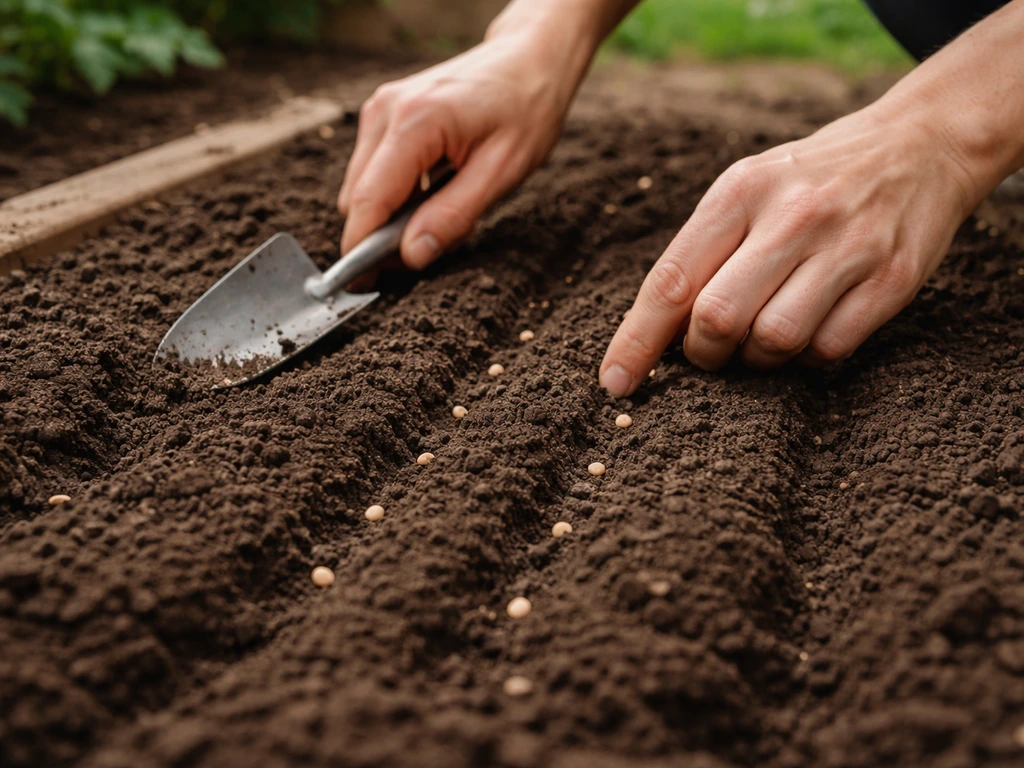
- Prepare your bed or container by loosening the top 4 to 6 inches of soil and removing clumps and debris.
- Scatter or place seeds on the soil surface, then press them in gently so they make firm contact with the soil.
- Cover with a very light dusting of soil, no more than 1/4 inch deep. Germination is sensitive to burial depth, and burying too deep is a common reason seeds fail to emerge.
- Water gently so the surface is evenly moist but not waterlogged.
- For autumn sowing, the seeds will simply sit through winter and germinate on their own schedule in spring. No further action needed until you see seedlings.
- For spring sowing after stratification, keep the seedbed evenly moist and expect germination in 2 to 4 weeks depending on temperature.
Indoor starting
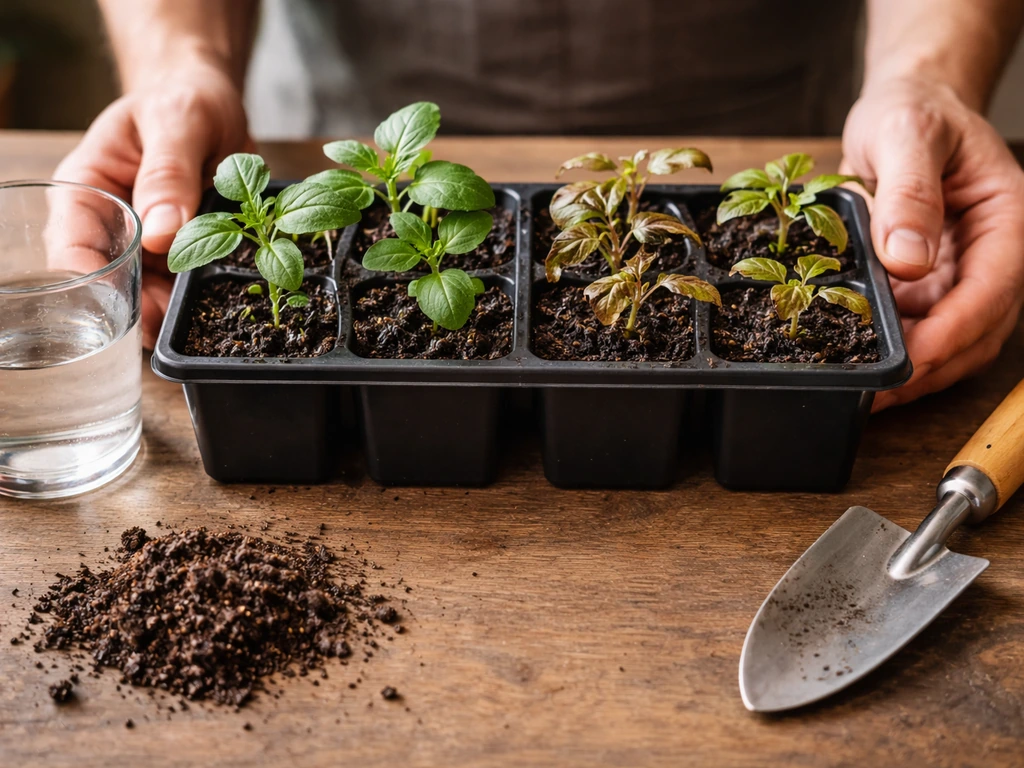
Gypsy flower doesn't transplant especially well due to its taproot, so indoor starting is less ideal than direct sowing. If you do start indoors, use deep cell trays or individual 3-inch pots to give the taproot room, and sow after cold stratification. Keep trays at around 55 to 65°F, which is cooler than most tropical houseplants prefer but is the right range for this species. Avoid the warmth of a standard heat mat. Harden off seedlings for at least a week before transplanting outdoors, and disturb the roots as little as possible when moving them.
Thinning
Once seedlings reach about 2 inches tall, thin them to one plant every 12 to 18 inches. Crowding reduces airflow, which increases disease risk, and competing plants produce weaker rosettes in year one and weaker flower stems in year two. Snip thinned seedlings at soil level rather than pulling them, to avoid disturbing neighboring roots.
Day-to-day care through the growing season
First-year plants are all about rosette development. Keep the soil consistently moist but never waterlogged, especially through the first few months. Once established, gypsy flower has decent drought tolerance, but consistent moisture during the rosette stage means a stronger plant heading into year two. Water at the base of the plant rather than overhead to reduce the chance of fungal issues on the large, soft leaves.
Feeding doesn't need to be complicated. Work a balanced granular fertilizer (something like a 10-10-10) into your soil before planting, then top-dress with compost in early spring of year two when the plant is breaking dormancy and sending up its flowering stalk. Avoid high-nitrogen fertilizers, which push leafy growth at the expense of flowering.
Temperature-wise, gypsy flower is hardy and can handle frost once established. In very cold zones (zone 4 and colder), a light mulch of straw over first-year rosettes in late autumn helps insulate the crown through harsh winters. Remove the mulch as temperatures warm in early spring.
Weed management in year one is important because the slow-growing rosette can easily get overtaken. Hand-weed carefully around young plants, and a thin layer of mulch around (not over) the rosette will help suppress competition and retain soil moisture.
Ongoing growth: staking, support, and encouraging blooms
In year two, the flowering stalk emerges in spring and can reach up to 4 feet tall. In open, windy spots, staking is worth doing early. Push a bamboo stake into the soil next to the stem when the plant is still a foot tall, and loosely tie the stem as it grows. Waiting until the stalk is fully extended and then trying to stake it often leads to bent or broken stems.
The flowering period lasts around 55 days, with small clusters of deep reddish-purple blooms opening progressively up the stem. To encourage the longest possible flowering display, keep the plant well-watered during dry spells in its flowering season (typically May through July). Hungarian blue poppies are a different plant, but you can use the same basics of site choice, soil prep, and timing to get strong blooms keep the plant well-watered during dry spells. If you want to extend blooms rather than collect seed, remove spent flower clusters before the burs develop fully, though this needs to be done with gloves since the plant can cause skin irritation.
If you started seeds indoors and need to transplant, do it early in year one while roots are still small. Settle transplants into the ground at the same depth they were growing in their containers, firm the soil around them, and water well. Gypsy flower doesn't love being moved, but transplanting in the rosette stage is far less disruptive than trying to move a second-year plant.
Common problems and what to do about them
| Problem | Likely Cause | Fix |
|---|---|---|
| No germination after spring sowing | Seeds didn't receive cold stratification; dormancy not broken | Cold-stratify seed in the fridge for 4 to 6 weeks before sowing next time; or shift to autumn sowing |
| Very patchy, sparse germination | Seeds buried too deep or soil dried out after sowing | Sow at 1/4 inch depth max; keep seedbed evenly moist for the first 3 to 4 weeks |
| Leggy, floppy first-year rosette | Insufficient light or too much nitrogen | Move to a sunnier spot; switch to a lower-nitrogen fertilizer |
| Damping off (seedlings collapse at soil level) | Overwatering or poor air circulation | Water at the base only; thin seedlings to improve airflow; use a well-draining mix |
| Powdery or fuzzy coating on leaves | Fungal infection (powdery mildew or botrytis) | Improve air circulation; avoid wetting leaves; remove affected foliage promptly |
| Sticky burs spreading unexpectedly | Seed heads allowed to mature and disperse | Wear gloves when handling; remove seed heads before they fully ripen; dispose in sealed bags, not compost |
| Aphids or soft-bodied insects on stems | Common garden aphid pressure | Blast off with water; apply insecticidal soap; check stems regularly in spring |
One issue worth flagging specifically: skin irritation. The leaves and stems contain pyrrolizidine alkaloids, which also make the plant toxic to livestock (particularly horses and cattle). Always wear gloves when handling gypsy flower, especially when deadheading or doing end-of-season cleanup. Keep it away from areas where pets graze or children play unsupervised.
End-of-season care and what 'harvest' looks like for this flower
Gypsy flower is primarily a garden specimen or wildflower-garden subject rather than a traditional cut flower for vases, so 'harvest' here mostly means managing the plant thoughtfully at season's end. If you want to collect seed for next year, allow a small number of seed heads to fully ripen on the plant (they mature roughly 70 days after flowering ends), then collect them carefully into a paper bag while wearing gloves. Store seed dry in a cool location.
Here's where being a responsible grower really matters. blank" rel="noopener noreferrer">A single plant can produce anywhere from 50 to 2,000 seeds, and those sticky burs are designed for efficient dispersal. Before the season ends, remove and bag all remaining seed heads. Don't compost them. Put them in sealed bags for general waste disposal. In states where houndstongue is a regulated noxious weed, allowing seeds to disperse from your property could create legal and ecological issues, so take end-of-season cleanup seriously. The Washington State Noxious Weed Control Board notes that houndstongue is a quarantined noxious weed in Washington, which makes proper end-of-season disposal important to prevent spread blank" rel="noopener noreferrer">In states where houndstongue is a regulated noxious weed.
After flowering and seeding, the plant completes its biennial lifecycle and dies. Cut the spent stems down to ground level, remove the root crown if possible, and dispose of plant material in sealed bags. In containers, empty and clean the pot before reusing it. In garden beds, turn over the soil lightly to expose any seeds that may have dropped, then cover with a fresh layer of compost. For details specific to orange blossom, follow the steps for planting, light, and soil that match its needs.
If you enjoy the wildflower aesthetic of gypsy flower and want to explore related species in the Boraginaceae or broader cottage garden family, pink poppies and Hungarian blue breadseed poppies offer that same soft-textured, meadow-style appeal with a similarly straightforward direct-sow approach, and many of them are annuals rather than biennials, meaning you'll see blooms in the first season. Danish flag poppies and Hungarian blue poppies are also worth considering if you want that loose, naturalistic flower garden feel without the two-year wait. Danish flag poppies are typically started from seed and do best with plenty of light, well-drained soil, and careful timing.
FAQ
Why aren’t my gypsy flower seeds germinating even though I stratified them or sowed in autumn?
Check that the seeds stayed cool and consistently slightly moist during stratification, avoid letting them dry out or become waterlogged, and confirm you’re in the expected emergence window (early spring after October sowing). If mold appears in the bag, discard any affected seeds and restart with fresh, lightly damp vermiculite or sand.
Can I scatter gypsy flower seed randomly in the yard to create a wildflower patch?
It’s risky because the sticky burs can spread on clothing and fur, and the plant can be regulated as a noxious weed in some areas. If you do it at all, use a contained planting plan (deep container or a clearly bounded bed) and bag seed heads before burs ripen.
What’s the best way to prevent self-seeding if I only want one or two plants?
Thin early to your desired spacing, then monitor year two closely. Remove spent flower clusters before burs fully mature, and keep gloves on during deadheading. After cutting down stems, bag everything, and do not compost.
Is gypsy flower easy to start indoors and transplant later?
It’s usually not ideal because of the taproot, and transplant stress can reduce survival. If you must start indoors, use deep individual pots or deep cell trays, sow only after cold stratification, and transplant during the rosette stage so roots are still small and easier to handle.
How deep should I sow gypsy flower seeds?
Sow at a shallow depth, barely covering with fine soil or mix. Too-deep placement can delay or prevent emergence, especially when germination depends on cool, moist conditions.
Should I fertilize more if the rosette looks small in year one?
Avoid high-nitrogen feeding, which can push leaf growth without improving the coming year’s flowering. Instead, use a balanced fertilizer when planting and, if needed, apply compost top-dressing in early spring of year two when the plant resumes growth.
Why does my plant look healthy in year one but fails to flower in year two?
Common causes include winter damage to the crown, insufficient moisture during the rosette stage, or overcrowding that weakens rosette development. Also confirm you used proper cold timing (autumn sowing or cold stratification), since poor dormancy breaking can lead to weak year-one establishment.
How much sun is “enough” for flowering?
It tolerates part shade, but flowering is best with about 6 hours of direct light. In shadier spots, expect looser growth and fewer or smaller flower clusters, even if the plant survives.
What’s the correct watering approach, especially during rosette growth?
Keep the soil evenly moist but never soggy, watering at the base to avoid wetting the large fuzzy leaves. Waterlogged soil can cause root rot and can also contribute to leaf disease, particularly in cool, damp periods.
Do I need to stake gypsy flower, and when should I do it?
If your site is windy or the plants reach toward other structures, stake early. Put the stake in when the stem is around a foot tall, then loosen tie as it grows, since waiting until it’s fully extended often bends stems.
Is gypsy flower safe around pets or livestock?
Use extra caution. Handling requires gloves due to skin irritation, and the plant is toxic to livestock, especially horses and cattle. Keep it away from pet grazing areas and supervise children around any planted patch.
Can I compost gypsy flower plant material after it flowers?
No, don’t compost seed heads or anything that has gone to burs. Bag plant material for general waste disposal, then seal the bag before putting it out, since even a small amount of dropped seed can lead to future spread.
How should I store collected seed so it stays viable for next season?
After collecting ripe burs, store seed dry in a cool location. Avoid storing in humid conditions, since moisture can reduce viability and increase the chance of mold.
Next Article
Can You Grow Marigold From Flower? Seed & Propagation Guide
Learn how to grow marigolds from dried flowers: harvest and sow seeds, fix germination issues, and care tips.