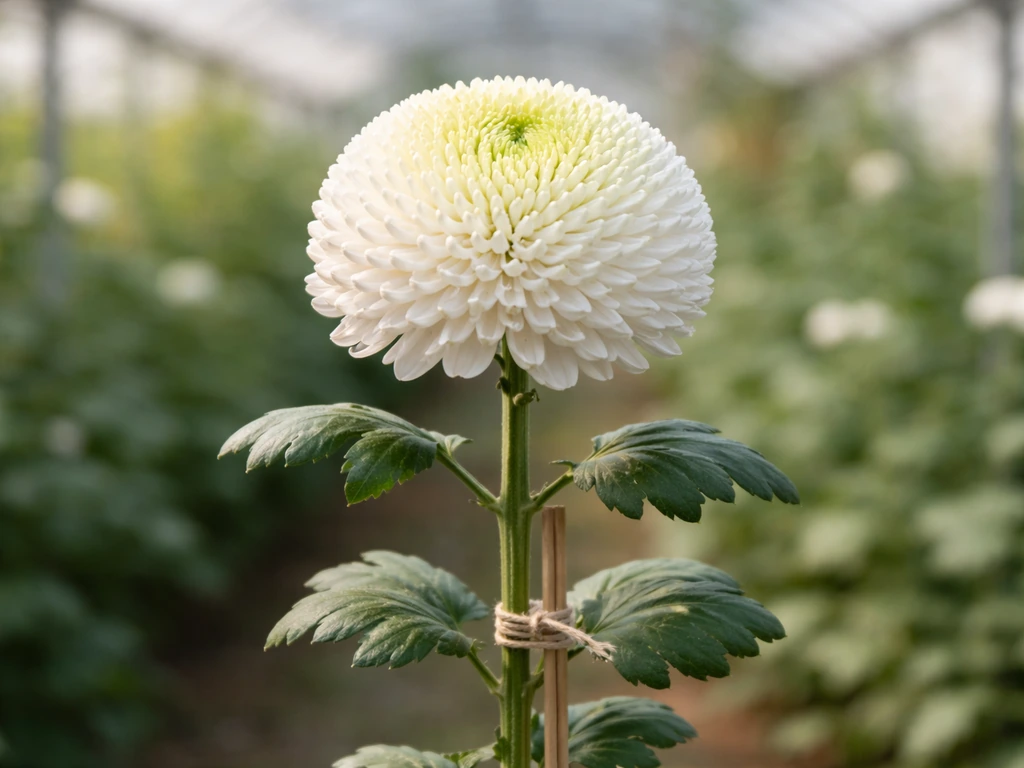
Chrysanthemum carinatum, commonly called painted daisy or tricolor chrysanthemum, is a fast-growing annual you sow from seed each year. Direct sow outdoors from spring through early summer once the soil can be worked, or start indoors 4–6 weeks before your last frost. Expect germination in 7–28 days, and blooms roughly 80–100 days from sowing. It grows 60–90 cm (about 2–3 feet) tall, flowers from late spring all the way through early autumn, and makes a brilliant cut flower with almost no fuss.
How to Grow Chrysanthemum Carinatum From Seed to Bloom
Marcus Holloway
6 Jul 2026
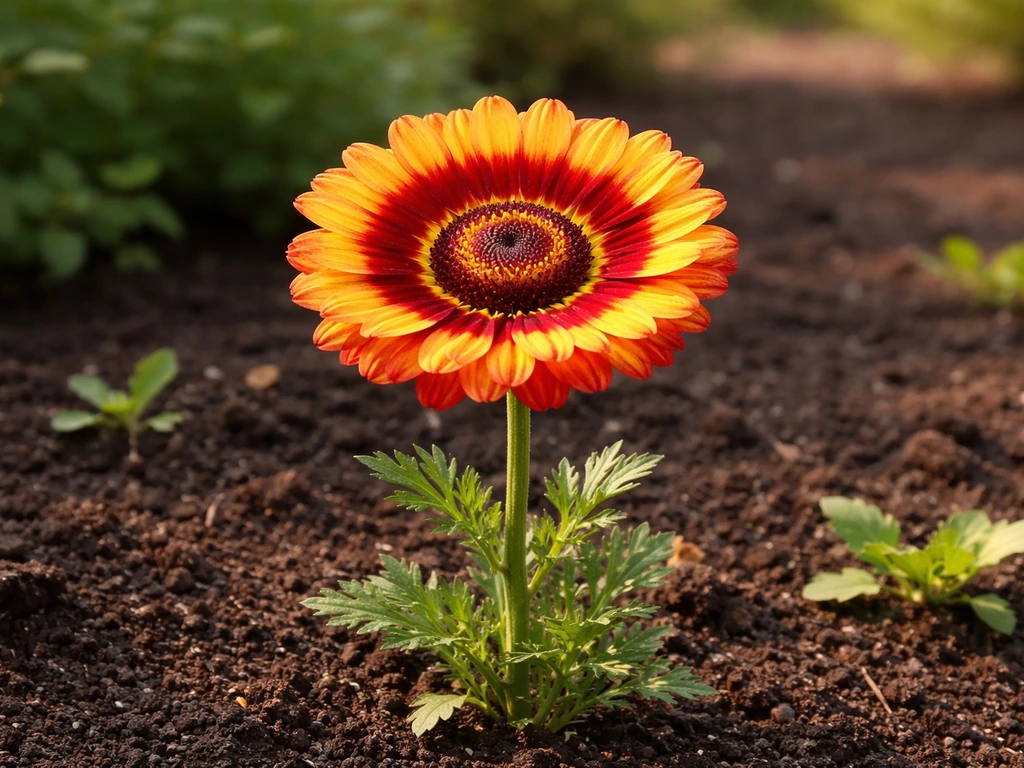
What Chrysanthemum carinatum actually is (and why it's worth growing)
Unlike the perennial garden mums you see in autumn pots, C. carinatum is a true annual. It lives its whole life in one season, sets seed, and is done. That's not a downside, it means you get quick results, no overwintering fuss, and a genuinely easy crop even if you've never grown a chrysanthemum before. The flowers are striking: bold daisy-like blooms with multi-colored rings of white, yellow, red, and maroon around a contrasting centre disk. They're excellent for cutting, great for beds and borders, and attract pollinators without much encouragement. How to grow disbud chrysanthemum follows a similar overall chrysanthemum approach, but focuses more on training and head formation for the single showy bloom chrysanthemum relatives.
It fits neatly into the same family as garland chrysanthemum and spray types, but the growing approach is different in one key way: you're starting from scratch each year from seed, which actually gives you more control over timing and succession. If you've already grown cosmos or poppies from seed, this will feel very familiar.
When to sow: timing your start right
You have two main options: start seeds indoors under glass in early spring, or direct sow outdoors from spring through early summer. If you're wondering how to grow spray chrysanthemums, the same sowing and early-care approach helps you get strong, bushy plants for lots of cut blooms start seeds indoors under glass. Both work well, but the right choice depends on your climate and how soon you want blooms.
Indoor sowing (earlier blooms, more control)
Start seeds indoors 4–6 weeks before your last expected frost date. This gives you a head start and lets you get blooms earlier in the season, which matters if you're growing for cut flowers and want a long harvest window. Soil temperature for germination should be 18–24°C (65–75°F), so a warm windowsill or a heat mat set to that range works well. Keep the setup in a bright spot as soon as seedlings emerge, they'll get leggy fast without strong light.
Direct sowing outdoors (easiest option)
Direct sowing is honestly the simpler route for most home gardeners. Wait until the risk of hard frost has passed and your soil has warmed a little. Sow from spring into early summer. C. carinatum is cool-tolerant but not frost-hardy as a seedling, so don't rush it if cold nights are still common. You can do succession sowings every 2–3 weeks through early summer to extend your bloom season well into autumn.
| Method | Best for | When to sow | Blooms by |
|---|---|---|---|
| Indoor start | Early blooms, colder climates | 4–6 weeks before last frost | Late spring to early summer |
| Direct sow | Ease, succession planting | Spring through early summer | Summer through early autumn |
How to start seeds: the step-by-step method
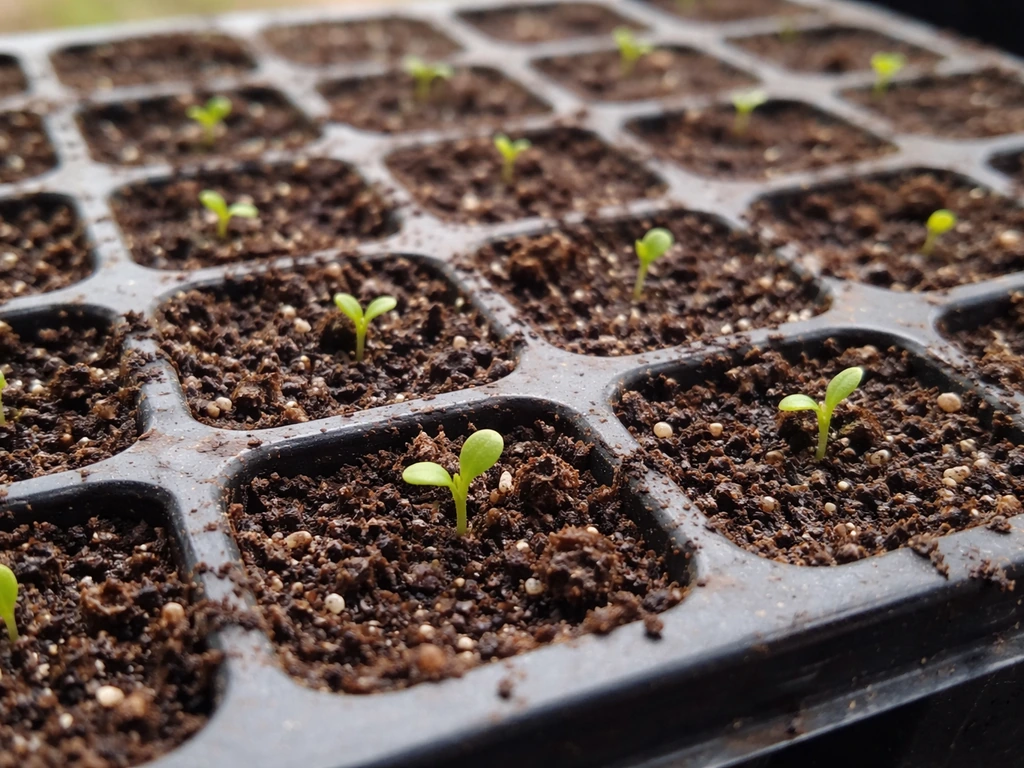
Starting indoors
- Fill small cells or a seed tray with a fine seed-starting mix. It should be moist but not soggy — squeeze a handful and it should barely hold together.
- Sow seeds on the surface and cover with a very thin layer of coarse vermiculite (about 2–3 mm). Some chrysanthemum species need light to germinate, so don't bury them deeply.
- Keep the tray at 18–24°C. A heat mat helps. Cover loosely with a clear lid or plastic wrap to hold moisture until seeds sprout.
- Germination takes 7–28 days. The sweet spot is closer to 10–14 days at the ideal temperature. Don't panic if some are slow.
- Once seedlings appear, remove the cover and move them immediately to your brightest light source. A south-facing window works, but grow lights are better — aim for 14–16 hours of light per day to prevent legginess.
- When seedlings have their first set of true leaves (not the seed leaves), thin or prick out to one per cell.
- Harden off before transplanting: move trays outside to a sheltered, partially shaded spot for a week, gradually increasing their exposure to full sun and outdoor conditions.
Direct sowing outdoors

- Loosen the top inch of soil with a rake or hand fork. Remove any clumps or debris.
- Scatter seeds thinly across the prepared area, or sow in shallow rows about 1 cm deep.
- Rake lightly to barely cover the seeds, then firm the surface gently with your hand or the back of a rake.
- Water gently with a fine rose or spray setting — you don't want to wash seeds away or compact the soil surface.
- Keep the area consistently moist until germination. In dry or warm weather, check daily.
- Once seedlings are a few centimetres tall, thin them to 30–38 cm (12–15 inches) apart. Yes, this feels brutal, but crowded plants produce fewer flowers and are more prone to disease.
Growing conditions: what C. carinatum needs to thrive
Sun
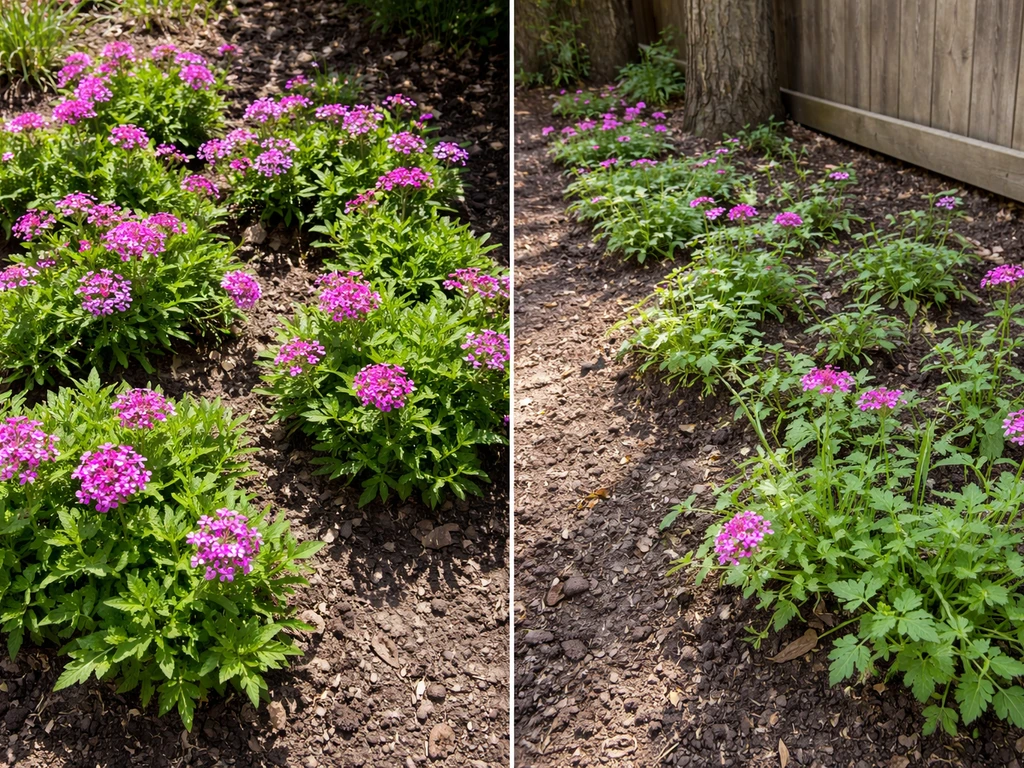
Full sun is non-negotiable for good flowering. Aim for at least 6 hours of direct sunlight per day. Plants in shade will grow tall and leggy and produce fewer blooms. If you're growing in a hot climate, a little afternoon shade can prevent scorching, but always prioritise morning sun.
Soil
C. carinatum isn't fussy about soil, but it performs best in well-drained, moderately fertile ground. Heavy clay that stays waterlogged will cause problems fast. If your soil is dense, work in some compost or grit before sowing. A slightly sandy or loamy soil is ideal. Aim for a neutral to slightly alkaline pH (around 6.5–7.5).
Spacing
Thin or transplant to 30–38 cm (12–15 inches) between plants. For cut-flower growing, you can push this slightly closer, around 25–30 cm, in a dedicated cutting bed with good airflow. Good spacing reduces disease pressure and gives each plant room to branch out and produce multiple stems.
Watering
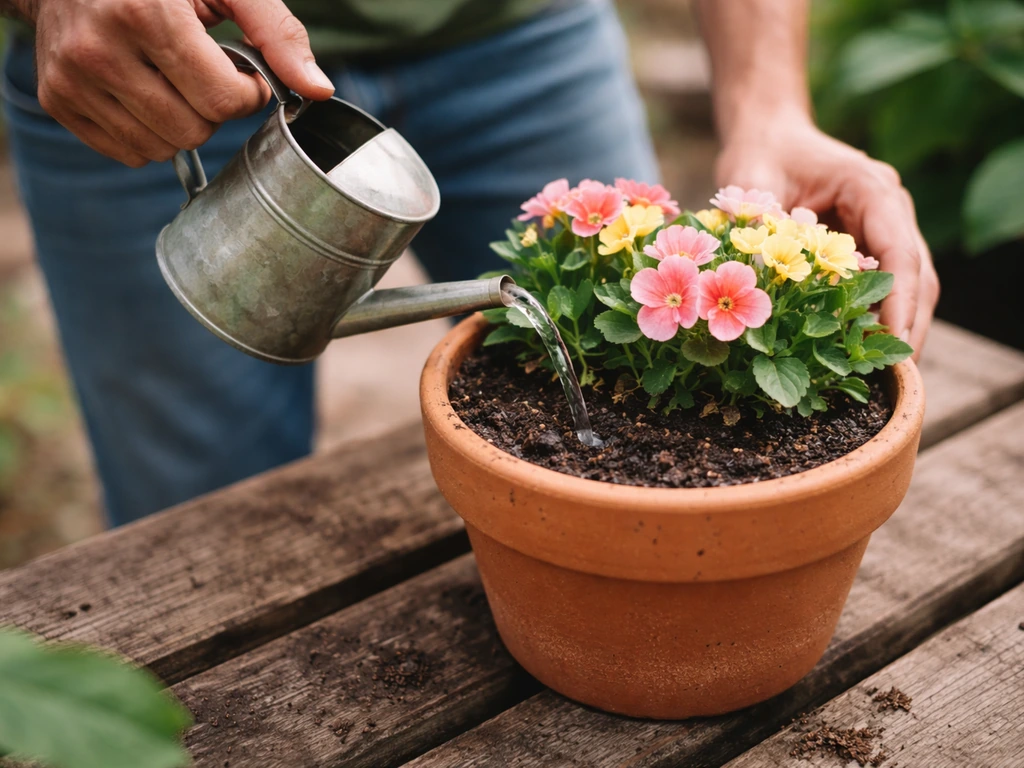
Water regularly but don't overdo it. These plants tolerate a degree of drought once established, but inconsistent watering leads to poor flowering. Aim to keep the soil evenly moist during the seedling and early growth stage. Once plants are growing strongly, water deeply but less frequently. Always water at the base rather than overhead, wet foliage is an open invitation for fungal problems.
Feeding
C. carinatum doesn't need heavy feeding. In fact, too much nitrogen will push leafy growth at the expense of flowers. If your soil is reasonably fertile, a single application of a balanced slow-release fertiliser at planting time is usually enough. If plants look pale or are slow to develop, a light liquid feed with a balanced formula (not a high-nitrogen one) every 2–3 weeks is plenty. Ease off feeding once plants are in full flower.
Care through the season: keeping plants bushy and blooming
Pinching for bushy plants
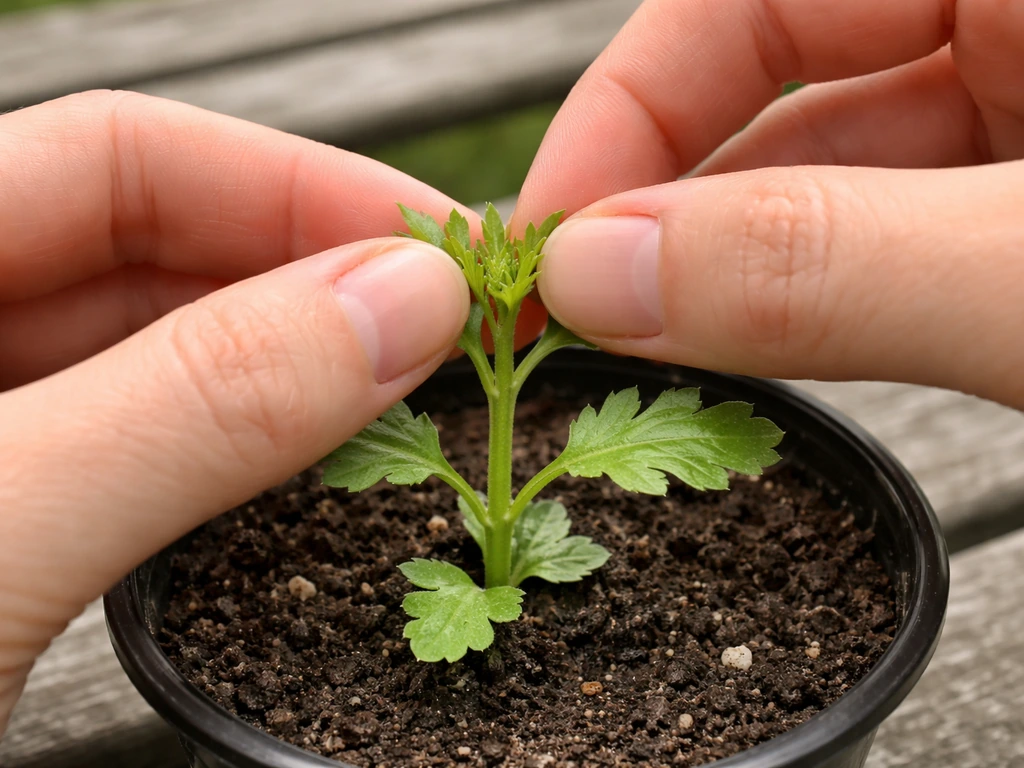
When young transplants or direct-sown seedlings are about 10–15 cm tall, pinch out the growing tip just above a set of leaves. This sounds counterintuitive, you're removing growth, but it redirects the plant's energy into lateral branching, which means more stems and more flowers. You'll get a wider, bushier plant instead of one tall stem with a single bloom at the top. Do this once early in the season, and the payoff is significant.
Deadheading and cutting
Deadhead spent flowers regularly throughout the summer. Removing old blooms prevents the plant from putting energy into setting seed and encourages it to produce new flower stems instead. You can use scissors or simply snap off spent heads. If you're cutting flowers for bouquets (and you absolutely should, this plant is a fantastic cut flower), each stem you harvest acts as a natural deadhead. The more you cut, the more flowers you'll get. By late summer, you can continue deadheading freely; just avoid very hard cutting-back late in the season as the plant won't have time to recover before autumn.
Staking
At 60–90 cm tall, C. carinatum can get top-heavy in exposed spots. A simple grid of twiggy pea sticks pushed in around the plants when they're young (let them grow up through the support) is usually enough. Alternatively, grow them close together in a cutting bed, the plants support each other naturally. Individual bamboo stakes and soft ties work for single plants in windy locations.
Pests and diseases to watch for
C. carinatum shares the pest and disease vulnerabilities of other chrysanthemum relatives. None of these are showstoppers if you catch them early, but it's worth knowing what to look for. USDA APHIS notes that chrysanthemum white rust (Puccinia horiana) is a serious fungal disease and describes characteristic symptoms including leaf spots and raised spore pustules on the underside of leaves.
Common problems and what to do
| Problem | What to look for | What to do |
|---|---|---|
| Powdery mildew | White, powdery patches on leaves and stems, more common in humid or crowded conditions | Improve airflow, avoid overhead watering, remove affected leaves. A baking soda spray (1 tsp per litre of water) can help in mild cases. |
| Grey mould (Botrytis) | Brown, water-soaked patches on petals or stems, fuzzy grey growth in wet weather | Remove affected material immediately, improve airflow, avoid overhead watering. Don't let dead plant matter accumulate around the base. |
| Chrysanthemum white rust | Pale or brownish raised pustules on the undersides of leaves, yellow spots on the upper surface | Remove and destroy affected leaves. This is a notifiable disease in some regions — check local guidelines. Avoid wetting foliage. |
| Aphids | Clusters of small soft insects on new growth or undersides of leaves, sticky residue | Knock off with a strong jet of water or use insecticidal soap. Encourage ladybirds and lacewings. |
| Leaf miners | Winding pale tunnels visible inside leaves | Remove affected leaves. Insecticides rarely reach the larvae inside the leaf; prevention through healthy plants is the best strategy. |
| Damping off (seedlings) | Seedlings collapse at soil level, stems appear pinched or rotted at the base | Use fresh, sterile seed-starting mix, avoid overwatering, ensure good airflow around seedlings. Sow thinly so seedlings aren't crowded. |
| Tarnished plant bug | Distorted buds, damaged blooms with small brown spots | Harder to control organically. Row covers over young plants can help. Inspect plants regularly and remove bugs by hand. |
The single best thing you can do for disease prevention is spacing. Crowded plants trap humidity, and that's where mildew and Botrytis take hold. Stick to the 30–38 cm spacing, water at the base, and you'll avoid most problems without any spraying at all.
Troubleshooting common growing failures
- Poor germination: Check your soil temperature — below 18°C and germination slows dramatically or stalls. Also check the seed age; old seed loses viability quickly. Make sure you haven't buried seeds too deeply.
- Leggy seedlings: This is almost always a light problem. Move trays closer to a grow light or a south-facing window immediately after germination. Leggy seedlings can be potted up slightly deeper to compensate.
- No flowers forming: Usually too much nitrogen, not enough sun, or plants that weren't thinned properly. Check spacing, cut back on feeding, and make sure they're getting 6+ hours of direct sun.
- Plants wilting despite watering: Check for root rot from overwatering or waterlogged soil. Let the soil dry slightly between waterings. Also check for Fusarium wilt, which causes lower leaves to yellow and the plant to collapse progressively — there's no cure, so remove and destroy affected plants.
Harvesting blooms and saving seed
Cutting flowers for bouquets
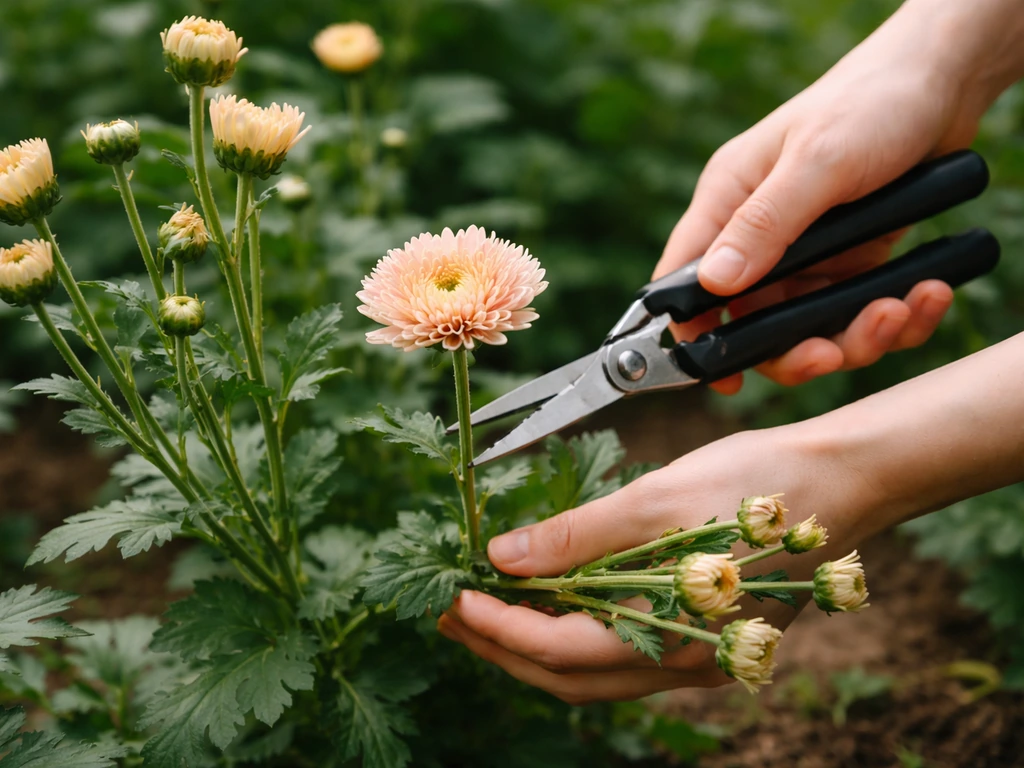
Cut stems when 40–50% of the bloom is fully open. At this stage the flowers are mature enough to last well in a vase but still have room to continue opening. If you cut too early, when buds are still tight, they often fail to open properly once indoors. Cut in the early morning when stems are fully hydrated, using clean sharp scissors or secateurs. Cut at an angle, remove any leaves that would sit below the waterline in your vase, and put stems into water immediately. Change the water every couple of days and your blooms should last 7–10 days.
Remember: every stem you cut encourages the plant to produce more. Regular harvesting is the single best way to extend your flowering season from summer deep into early autumn.
Saving seed for next year
Saving seed from C. carinatum is straightforward and very satisfying. Towards the end of the season, stop deadheading a few of the best plants and let the flower heads mature and dry on the plant. The seed heads are ready to harvest when they've turned brown and feel dry and papery. On a dry day, clip the whole stem and bring it inside to finish drying in a warm, airy spot for a week or two. Then crumble the heads over a piece of paper, separate out the chaff, and store the seeds in a labelled paper envelope in a cool, dry place. Sow them the following spring for a free crop of plants. One caution: if you're growing a named mix or hybrid variety, the seedlings may not come true to the parent, so expect some colour variation, which can actually be a pleasant surprise.
End of season
C. carinatum is an annual, so there's no overwintering to manage. Once flowering is finished and you've saved any seed you want, cut the whole plant down and compost it (unless it was diseased, in that case, bin it rather than compost it). Clear the bed, and it'll be ready for next season's sowing.
Your growing timeline at a glance
| Stage | Timing (approximate) | What to do |
|---|---|---|
| Sow indoors | Early spring (4–6 weeks before last frost) | Sow in trays at 18–24°C, thin to one per cell |
| Germination | 7–28 days after sowing | Move to bright light immediately on emergence |
| Harden off / transplant outdoors | After last frost risk passes | Acclimatise over 7–10 days, transplant at 30–38 cm spacing |
| Direct sow outdoors | Spring to early summer | Loosen top inch of soil, sow thinly, keep moist |
| Pinch back | When 10–15 cm tall | Remove growing tip to encourage branching |
| First flowers | Around 80–100 days from sowing | Begin cutting when 40–50% of bloom is open |
| Full bloom season | Late spring through early autumn | Deadhead or harvest regularly for continuous blooms |
| Seed saving | Late summer to autumn | Let selected heads dry on plant, harvest when brown and papery |
| End of season | After first hard frost or end of flowering | Cut down, clear bed, compost healthy material |
If you enjoy growing C. carinatum, it's worth exploring how the approach differs for other chrysanthemum types, from garland chrysanthemum grown as a leaf vegetable to spray and disbud types that involve very different pruning and pinching techniques. If you want more detail on the full process, including sowing, care, and timing, see our guide on how do you grow chrysanthemums. Each one has its own rhythm, but starting with an annual like C. carinatum is one of the best ways to build confidence with the whole genus before moving on to the more demanding perennial forms.
FAQ
Why are my chrysanthemum carinatum seedlings not thriving even though I fed them?
If your C. carinatum seedlings look pale or keep stalling, double-check two things first: soil temperature (aim for about 18 to 24°C for germination) and light level. Thin seedlings or seedlings on a dim windowsill often look weak even when fertilizer is unnecessary. If they are truly slow, use a balanced liquid feed at half strength, once, then reassess in a week before repeating.
How can I keep chrysanthemum carinatum blooming from early summer into autumn?
The fastest way to extend the season is succession sowing, every 2 to 3 weeks from spring into early summer. Also keep up deadheading, but switch from “full plant deadhead” to light deadheading once heat and humidity increase (mid to late summer). Avoid very hard cutting back in late summer, because the plants usually won’t recover in time for autumn bloom.
Can I grow chrysanthemum carinatum in containers, and what changes should I make?
Yes, but only if the area gets strong sun and you can keep the pot from drying out. Choose a container at least 25 to 30 cm wide, use a well-drained potting mix, and water at the base when the top couple of centimeters start to dry. Staking is usually easier in pots because you can tie plants to a single support, but avoid overfeeding with nitrogen since pots amplify leafy growth.
My plants are tall with lots of leaves but not many flowers. What’s going wrong?
Chrysanthemum carinatum can produce fewer blooms if it experiences inconsistent watering during seedling establishment or if it gets too much nitrogen. Make sure you water enough to keep the soil evenly moist early on, then move to deep, less frequent watering once plants are established. If you have been fertilizing regularly, pause feeding once buds appear and stick to balanced (not high-nitrogen) formulations.
What should I do to prevent mildew and Botrytis on chrysanthemum carinatum?
Wet foliage makes fungal issues more likely, especially in humid or crowded beds. Water at ground level, water early in the day, and keep to the recommended spacing (about 30 to 38 cm) rather than squeezing plants in. If you already see grey mould or mildew patches, remove affected leaves quickly and improve airflow, rather than relying on additional feeding.
When is the best time to pinch chrysanthemum carinatum, and can I pinch multiple times?
Pinching is timed best when plants are young, around 10 to 15 cm tall, and you do it once early in the season. If you pinch too late, you shorten the time available for lateral stems to develop before flowering. Also avoid repeated pinching throughout the summer, it can delay blooms and reduce the number of flower heads.
Will seeds from my painted daisy come true to the same flower colors next year?
For seed saving, you generally get truest results from plants that are not part of a named hybrid mix. If you collected seed from a specific named variety or mixed packet, expect color variation because seedlings may not match the parent. If you want consistent color, select one or more plants with the exact bloom you want and let only those be seed parents.
How do I cut chrysanthemum carinatum flowers so they open fully in a vase?
For the best cut-flower opening, harvest when about 40 to 50% of the petals are open. If you cut when buds are too tight, some stems may not open indoors. Use clean tools, cut in the early morning, remove submerged leaves, and place immediately in fresh water. If blooms are slow to open after purchase, re-trim the ends under water.
My direct-sown seedlings rotted or fell over. What caused damping-off, and can I prevent it next time?
If your direct-sown seeds germinate but seedlings collapse or look damp at the base, it can be damping-off from overly wet, cool soil and poor airflow. Improve drainage, avoid watering overhead, and thin promptly so seedlings are not crowded. In future sowings, wait until nights are warmer and the soil is less likely to stay saturated.
Next Article
How to Grow Disbud Chrysanthemum for Big Blooms
Step-by-step how to grow disbud chrysanthemum for big single blooms: disbudding timing, care, feeding, support, and fixe