Red poppies are one of the easiest flowers you can grow from seed, but they have a few quirks that trip up beginners. The biggest one: they hate being transplanted, they need cool soil to germinate well, and depending on which source you read, they either need light to sprout or need to be buried a quarter-inch deep. I'll sort all of that out for you. Sow directly in your garden as soon as the soil can be worked in spring (or in fall for a head start), scatter the seeds on the surface or press them in just barely, keep things moist, and you'll have scarlet blooms in roughly 60 to 90 days.
How to Grow Red Poppies From Seed Step by Step
Marcus Holloway
22 May 2026
Choosing your red poppy variety (including giant types)
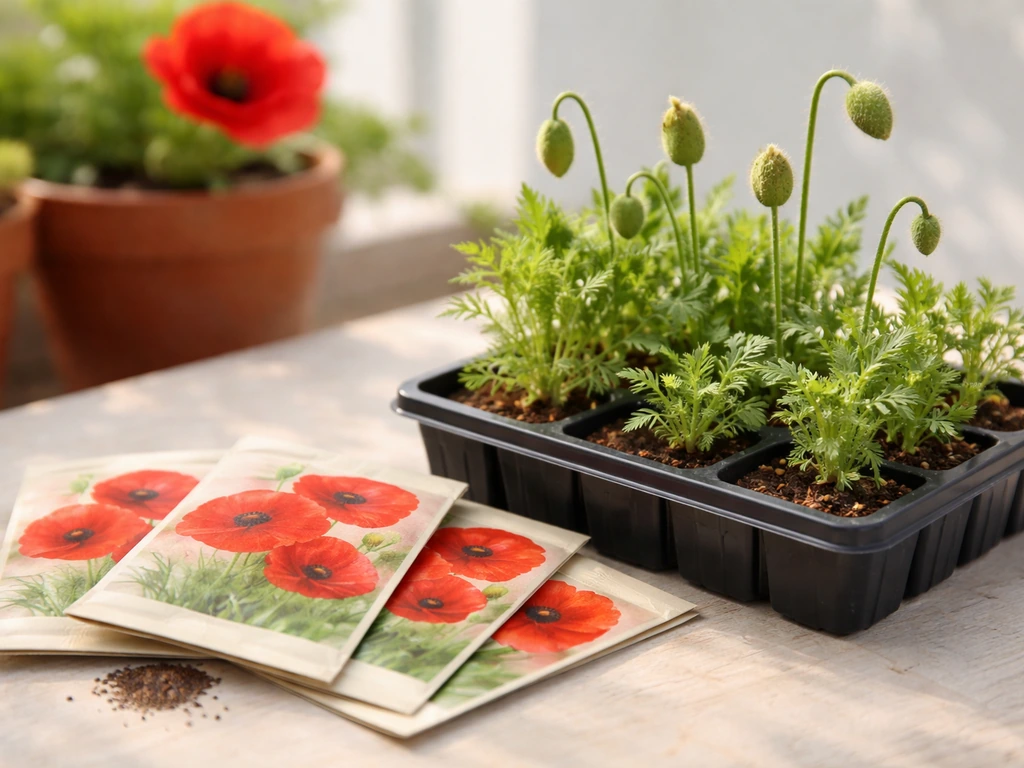
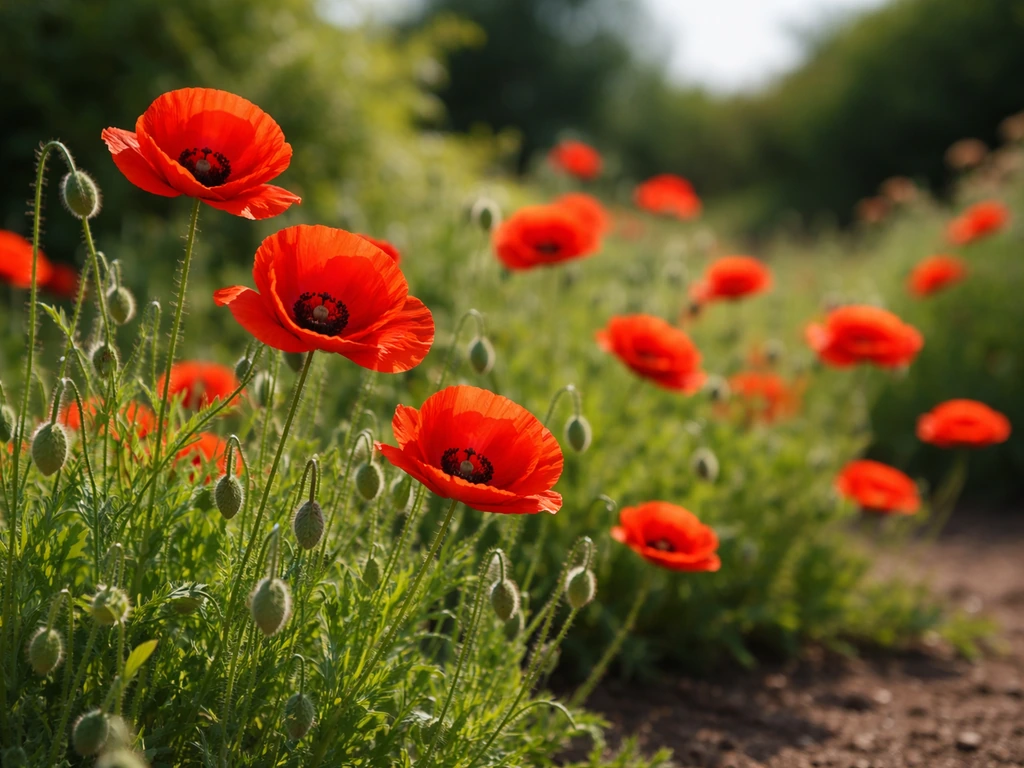
Almost every red poppy you'll find sold as a garden annual is Papaver rhoeas, also called the corn poppy, Flanders poppy, or field poppy. The flowers have four to six papery petals in deep scarlet-red, each bloom reaching about two inches across, and plants typically grow one to three feet tall. That's a solid range, and which end you land on depends a lot on the variety you choose.
If you're specifically after giant red poppies, look for selections marketed that way, such as 'Giant Rattle Poppy,' which is a Papaver rhoeas strain that regularly hits 24 to 36 inches (60 to 90 cm). These taller types produce the same classic red flowers but on much longer stems, making them better for cutting and more dramatic at the back of a border. They're not harder to grow, they just need a bit more space and may need some support in windy spots since those tall stems can lodge. For spacing and staking, taller “Giant Rattle Poppy” plants can be more likely to lodge in wind, so plan accordingly.
When you're buying seeds, check whether you're getting a straight red variety or a mix. Shirley poppies are also Papaver rhoeas but come in soft pinks and whites, not the vivid red most people picture. For classic red, go with 'Flanders,' 'Red Poppy,' 'Giant Rattle Poppy,' or any listing that specifically names scarlet or red as the color. Seed packets are your best guide: read them carefully before you sow because instructions can vary slightly between strains.
Red poppies are also a great gateway into other color families. If you want to grow orange poppy flowers specifically, you can use the same cool-season sowing and direct-garden approach as for red poppies Red poppies are also a great gateway into other color families.. If you find yourself wanting to branch out after a successful season, purple poppies and orange poppies follow very similar sowing methods, and Flanders-style red poppies specifically are worth exploring as their own deep-dive topic.
Sun, soil, and timing: getting the conditions right
Red poppies want full sun, meaning at least six hours of direct light per day. They'll tolerate a little afternoon shade in hot climates, but less sun means fewer flowers and leggier stems. Pick the sunniest spot you have.
For soil, aim for well-drained ground with moderate fertility. Poppies actually do well in poor or disturbed soils, which is why they famously colonize roadsides and fields. In a garden bed that you've heavily amended with compost, you might get lush foliage and fewer flowers, so don't overdo it with fertilizer. If your soil is decent and drains reasonably well, you're already in good shape. Work it to a fine, crumbly texture before sowing since the seeds are tiny and need good seed-to-soil contact.
Timing is where a lot of beginners go wrong. Red poppies are cool-season plants. They germinate best at soil temperatures between 55 and 65°F and stop performing well when summer heat sets in. The ideal window is early spring, as soon as the ground can be worked and is no longer frozen, even if frosts are still possible. The seedlings are frost-tolerant, so don't wait for your last frost date. If you miss spring, fall sowing (about six to eight weeks before hard freeze) also works well: the seeds overwinter naturally in the soil and sprout the following spring with better germination than hand-stratified indoor starts.
How to sow red poppy seeds: the full step-by-step
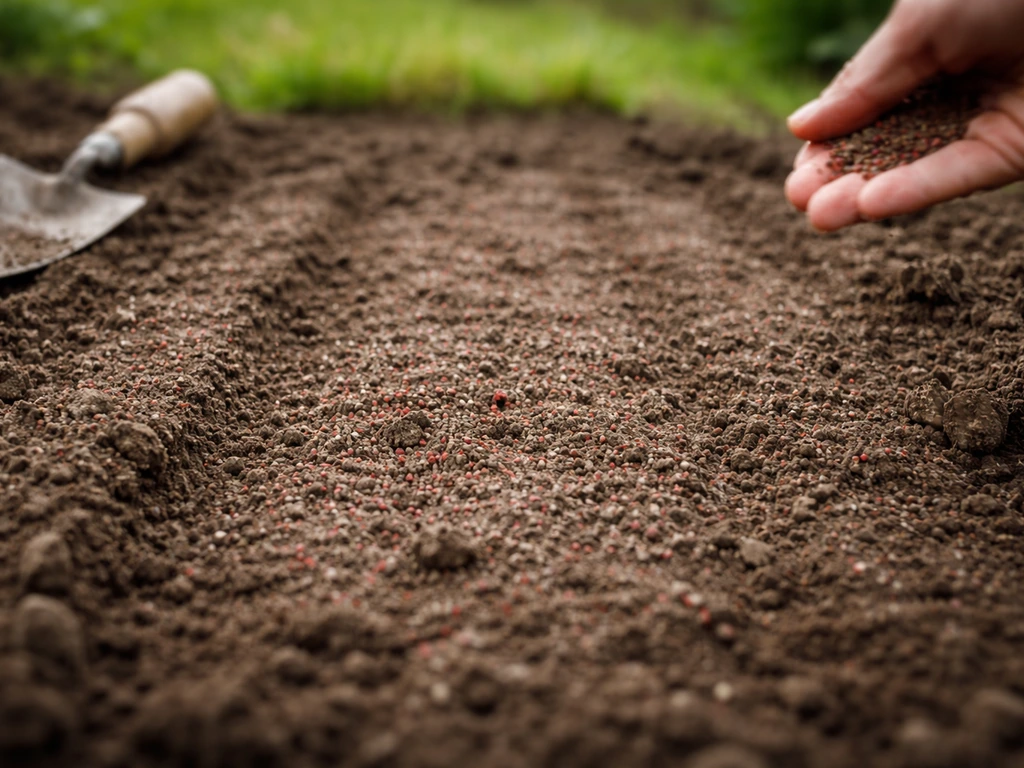
Direct sowing in the garden is the right method here. For the most reliable results, follow the step-by-step sowing and care guidance for red poppies, starting with cool soil and direct sowing. Do not try to start red poppies in pots and then transplant them. Their taproots are extremely sensitive, and transplanting almost always sets them back badly or kills them outright. Sow where they will grow.
- Prepare your bed: Rake the surface smooth and break up any clods. You want fine, crumbly soil so the tiny seeds make good contact.
- Mix seeds with sand if you have them: Poppy seeds are very fine, and mixing them with a small amount of dry sand helps you scatter them more evenly across the area.
- Scatter or press seeds onto the surface: Sprinkle seeds thinly across the soil. You have two reliable options here: surface sow and press gently so they sit right at the soil surface (many sources, including Bloom Outlet and Select Seeds, say seeds need light to germinate), or just barely cover them with 1/4 inch of fine soil (as Johnny's recommends for corn poppies, which provides darkness). Both approaches work in practice. My recommendation: follow your seed packet. If no packet guidance exists, try a light covering of 1/8 inch or less, which satisfies both needs.
- Water gently: Use a fine rose head on your watering can or a gentle mist setting on a hose nozzle. You want to settle the seeds without blasting them sideways or burying them deeper.
- Keep the surface consistently moist: Until germination, check daily and water lightly whenever the top inch of soil is dry. Do not let the seed bed crust over or dry out.
- Expect germination in 14 to 21 days: At ideal temperatures of 55 to 65°F, you should see seedlings emerge within two to three weeks. If your soil is warmer than that, germination may be slower or patchier.
For giant red poppies, the sowing method is identical, but plan your spacing with their larger final size in mind. Standard red poppies do fine thinned to about 6 inches apart, but giant varieties that reach 30 to 36 inches tall benefit from 9 to 12 inches of space to allow good airflow and prevent the stems from crowding and falling over.
A note on indoor sowing
You can start red poppies indoors if you want to get a jump on a short season, but it's genuinely harder than direct sowing and the success rate is lower. If you go this route, sow in deep cells or biodegradable pots (so you can plant the whole container without disturbing roots), keep temperatures at 65 to 70°F until germination, then move seedlings to a cooler spot around 50 to 60°F. Transplant very carefully, as early as possible, disturbing the roots as little as you can. For most gardeners, it's not worth the trouble. Direct sowing on a cool spring day is faster and more reliable. If you're gardening in a place with colder springs and unique timing, you may also want to look at how to grow poppies in colorado for region-specific sowing tips.
Looking after seedlings: thinning, weeding, and early problems
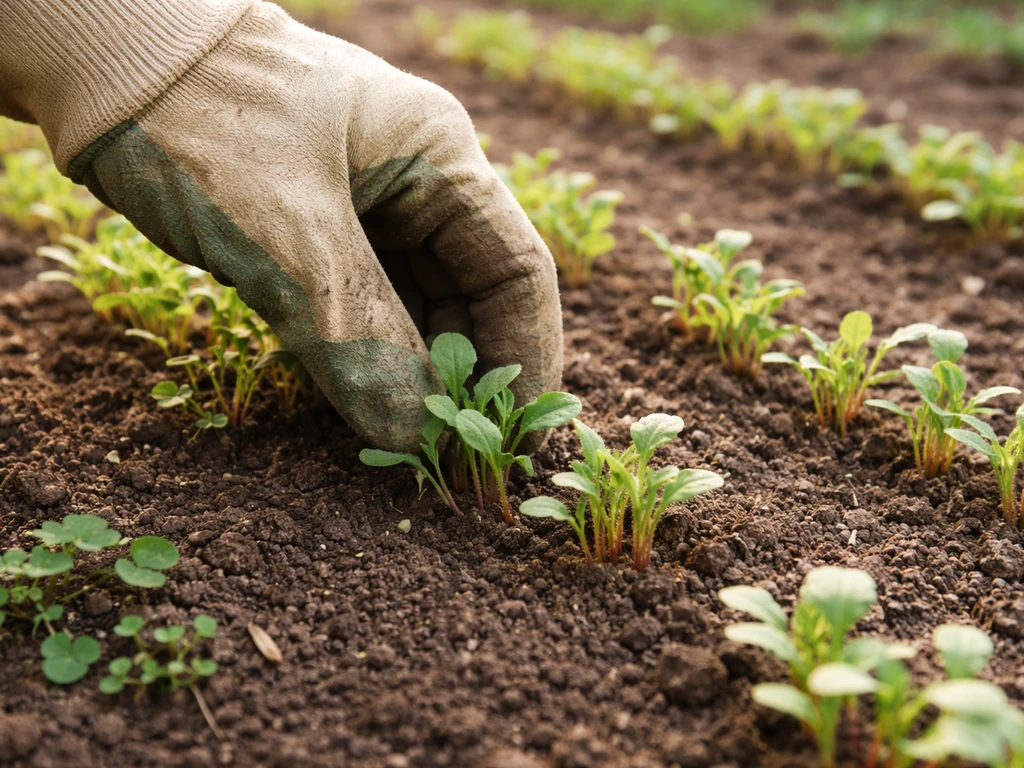
Once your seedlings emerge, the most important job is thinning. Poppies that are overcrowded get weedy-looking, flower poorly, and are more prone to disease. When seedlings are about an inch tall, start thinning to one plant every 6 inches (or 9 to 12 inches for giant varieties). Yes, it feels like you're pulling out perfectly good plants, but the ones that remain will reward you with stronger stems and more flowers. Snip the thinned seedlings at the base with scissors rather than pulling them, so you don't disturb the roots of the ones you're keeping.
Weed control in the early weeks is critical because poppy seedlings are easy to mistake for weeds, and weeds compete aggressively for moisture in loose, prepared soil. Get to know what your seedlings look like: they start as small, finely cut, blue-green leaves with a slightly ferny appearance. Weed regularly and carefully by hand until your poppies are a few inches tall and unmistakable.
The most common early problem is poor or uneven germination. This usually comes down to the seed bed drying out at a critical moment, seeds being buried too deep, or soil temperatures being too warm. If you sowed in spring and got low germination, check whether the surface dried out or whether late warmth pushed soil temps above 65°F. A second sowing as soon as conditions cool is always worth trying. If your seedlings look pale and stretched, they need more light, not more water.
Damping off (where seedlings suddenly collapse at the base) can happen in overly wet, poorly drained soil, especially in cool, cloudy weather. Prevent it by not overwatering once seedlings are up, improving drainage if your soil stays soggy, and making sure there's some airflow around the plants. There's no cure once damping off strikes a seedling, so prevention is everything.
Getting from bud to bloom: day-to-day care
Once your poppies are thinned and a few inches tall, they're fairly self-sufficient. Once your poppies are thinned and a few inches tall, they're fairly self-sufficient moisture management. The main jobs are moisture management and keeping an eye on taller plants that might need support.
Water consistently but don't overdo it. Poppies prefer medium moisture with good drainage: they don't like sitting in soggy soil, but they also won't thrive if the ground gets bone dry for extended periods. In a normal spring with some rain, you may not need to water much. During dry spells, water deeply once or twice a week rather than a little every day.
Fertilizer is not something poppies typically need much of. If your soil has reasonable fertility, skip it. Over-fertilizing, especially with high-nitrogen feeds, pushes leafy growth at the expense of flowers. If your plants look very pale or stunted and your soil is genuinely poor, a light balanced feed once in the growing season is plenty.
For giant red poppies reaching 30 inches or more, stake early. Thin bamboo canes or twiggy sticks pushed in around the plants when they're about 10 to 12 inches tall will give the stems something to lean against before they get top-heavy. Do it before you think you need to: once a tall poppy stem snaps in wind, it's gone.
Expect blooms about 60 to 90 days after sowing, roughly from late spring through early summer depending on when you sowed and your local climate. Individual flowers are short-lived, lasting only a few days each, but a well-established plant produces a succession of buds over several weeks. The nodding, hairy buds are charming in their own right as they wait to open. Peak bloom typically falls in mid-spring to early summer, and if temperatures stay mild, plants may push out a second flush in early fall.
If you want to extend flowering, remove spent blooms before they set seed. This redirects the plant's energy into producing more buds instead of maturing capsules. But read the next section before you deadhead everything, because those capsules are worth keeping if you want seeds for next year.
After the flowers: seed saving and what comes next
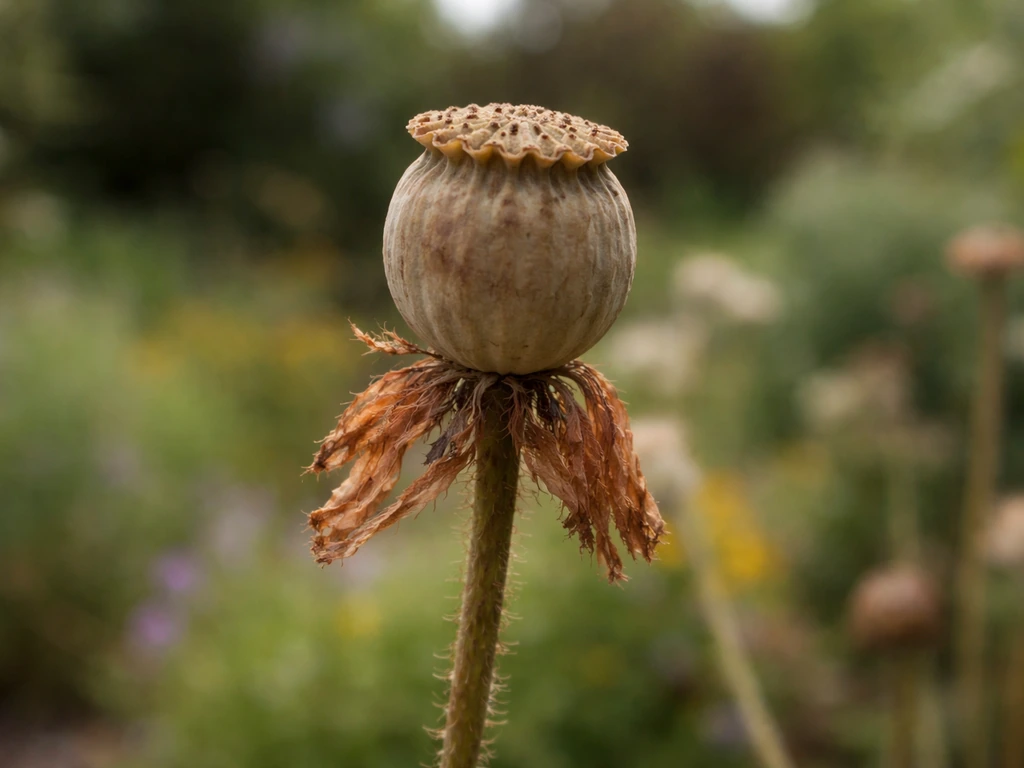
Once a flower drops its petals, it leaves behind a rounded seed capsule that will gradually ripen and dry on the stem. This is where the seeds for next year come from, and it's worth understanding how it works before you accidentally lose them all.
Papaver rhoeas capsules ripen and open through small pores near the top, distributing seeds with a kind of pepper-shaker action as the stem moves in the breeze. This is great for natural self-seeding in a relaxed wildflower area, but if you want to collect seeds deliberately, you need to catch the capsules before they open fully. Watch for the capsule to turn from green to a tan or straw color and feel dry to the touch. At that point, snip the whole stem, place the capsule head-down into a paper bag, and let it finish drying indoors for a week or two. The seeds will fall out naturally.
Once dry, separate the seeds from any chaff, label them clearly with the variety name and year, and store in an airtight container in a cool, dark, dry place. Poppy seeds are long-lived in the soil seed bank, but for best germination from stored seeds, use them within two to three years.
If you're not worried about collecting every seed and just want the patch to come back next year, simply leave a few capsules on the plant to ripen and shatter naturally. Papaver rhoeas reseeds prolifically in most gardens, and you may find volunteer seedlings appearing in unexpected spots each spring. This is one of the genuinely satisfying things about growing red poppies: once you establish them in a spot they like, they tend to keep coming back with very little effort on your part.
A quick note on deadheading strategy: the choice is yours. Deadhead consistently for more flowers over a longer season, or leave spent blooms to ripen for self-seeding and seed saving. Most gardeners do a bit of both: deadhead the majority of spent flowers to prolong bloom, and let a handful of well-formed capsules ripen fully for the seed tin.
Quick-reference growing guide
| Detail | Standard Red Poppy (Papaver rhoeas) | Giant Red Poppy (e.g. 'Giant Rattle') |
|---|---|---|
| Typical height | 1 to 2 feet | 24 to 36 inches (60 to 90 cm) |
| Sowing time | Early spring (as soon as soil can be worked) or fall | Same |
| Germination temp | 55 to 65°F (13 to 18°C) | Same |
| Days to germinate | 14 to 21 days | Same |
| Days to bloom | 60 to 90 days from sowing | 60 to 90 days from sowing |
| Sowing depth | Surface to 1/4 inch (follow packet) | Same |
| Thinning spacing | ~6 inches apart | 9 to 12 inches apart |
| Sun requirement | Full sun (6+ hours) | Full sun (6+ hours) |
| Staking needed? | Usually not | Yes, in exposed or windy spots |
| Transplant-friendly? | No — direct sow only | No — direct sow only |
Red poppies are genuinely one of the most rewarding flowers you can grow from seed as a beginner. The process is forgiving, the results are stunning, and once you've saved a packet of seeds from your first season, you've essentially set yourself up for free poppies for years. Sow cool, sow thin, thin ruthlessly, and let a few pods ripen. That's really all there is to it.
FAQ
Do red poppies need to be kept uncovered for sprouting, and what if the packet says something different about light?
Follow the packet as the final authority, but as a practical rule for Papaver rhoeas, seed contact with the soil matters more than darkness. If your seeds look like they’re drying or slipping away, lightly press them to the surface and mist the area, rather than switching to deeper burial, which is a common reason for poor germination.
How moist should the soil stay after sowing, and how do I avoid overwatering?
Keep the top layer consistently damp, not soaked. Water with a gentle spray or a light trickle to avoid washing seeds around, and stop frequent watering once seedlings are established (then use deeper, less frequent watering during dry spells). If the bed stays wet for days, damping-off risk rises quickly.
What spacing should I use if I’m growing a mix of standard and giant red poppies together?
Treat it like two plantings. Thin standard types to about 6 inches, but give giant plants roughly 9 to 12 inches. If you thin everything to one distance, giants will crowd, leading to weak stems and fewer blooms.
My poppy seedlings are pale and stretched. Should I fertilize or adjust something else?
Usually neither fertilizer nor more water fixes it. Pale, leggy seedlings typically signal insufficient light, so move to full sun outdoors as soon as temperatures allow, and avoid shading from taller weeds or surrounding plants.
Can I re-sow or top-sow if germination is uneven in one part of the bed?
Yes, and the best move is to re-sow promptly when conditions are cool again. Instead of trying to “fill in” with transplants, direct sow fresh seed in the bare spots, then thin to the correct final spacing once seedlings emerge.
When should I thin, and what’s the safest technique to keep from harming nearby plants?
Thin when seedlings are about an inch tall. Snip unwanted seedlings at the base with scissors instead of pulling, this keeps the root disturbance low for the remaining plants and improves your chances of getting uniform flowering.
Do red poppies come back every year, or are they truly annual?
Papaver rhoeas often behaves like an annual that reseeds reliably, so you commonly get volunteers the next spring if capsules are left to mature. If you want a controlled patch, deadhead more aggressively, and if you want a self-returning display, leave a few pods intact.
How do I collect seeds if I don’t want them to scatter everywhere while they ripen?
Watch for the capsule shifting from green to tan and feeling dry. Snip the stem before the pores open fully, then dry the capsule head-down in a paper bag so seeds fall into the bag rather than onto the soil or patio.
Is it better to deadhead for more blooms or leave pods for seed saving?
You can do both strategically. Deadhead most faded flowers to prolong bloom, but leave a handful of strong, well-formed capsules to ripen fully. This lets you extend flowering without giving up next year’s seed supply.
Why do my poppies flop over, even when I stake giant varieties?
Flopping usually comes from staking too late, overcrowding, or inconsistent watering. Stake giant poppies early when stems are about 10 to 12 inches tall, thin to provide airflow, and during dry spells water deeply once or twice weekly rather than letting plants swing between drought and sogginess.
What’s the simplest way to prevent damping-off in cool, cloudy weather?
Start by ensuring the seed bed drains well, avoid heavy compost that stays wet, and water only to maintain surface moisture during germination. Once seedlings emerge, reduce watering frequency and give plants airflow, because there is no rescue treatment after collapse begins.
Can I grow red poppies in containers without problems?
It’s possible but more finicky because taproots want space and the soil must drain fast. If you try containers, use deep pots, avoid transplanting from cell trays, and stick to the same cool-season direct-sowing approach where possible. Otherwise, many gardeners find the taproot sensitivity makes in-ground sowing far more reliable.
Next Article
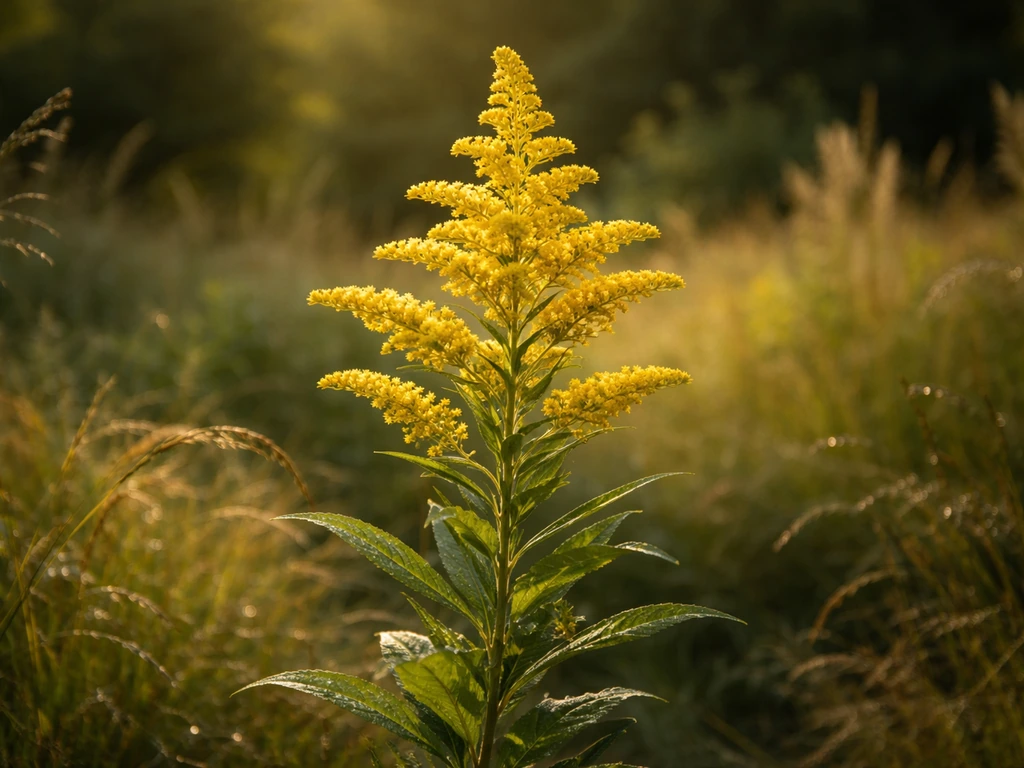
How to Grow Goldenrod From Seed to Bloom
Step-by-step guide to grow goldenrod from seed to bloom, including timing, soil, care, pests, and harvest tips.