Goldenrod is one of the most rewarding flowers you can grow from seed. It's tough, it blooms reliably in late summer and fall when most other things are winding down, and it's genuinely low-maintenance once it's established. The catch is that "goldenrod" covers dozens of species, and picking the wrong one for a home garden can mean dealing with an aggressive spreader that takes over your beds. Start with a well-behaved cultivar like Solidago rugosa 'Fireworks' or the slower-spreading Solidago speciosa, give them full sun and decent drainage, and you'll have clouds of golden blooms from September onward with very little fuss. If you want to expand your cut-flower garden beyond goldenrod, here is how to grow red poppies step by step.
How to Grow Goldenrod From Seed to Bloom
Marcus Holloway
7 May 2026
Pick the right goldenrod before you do anything else
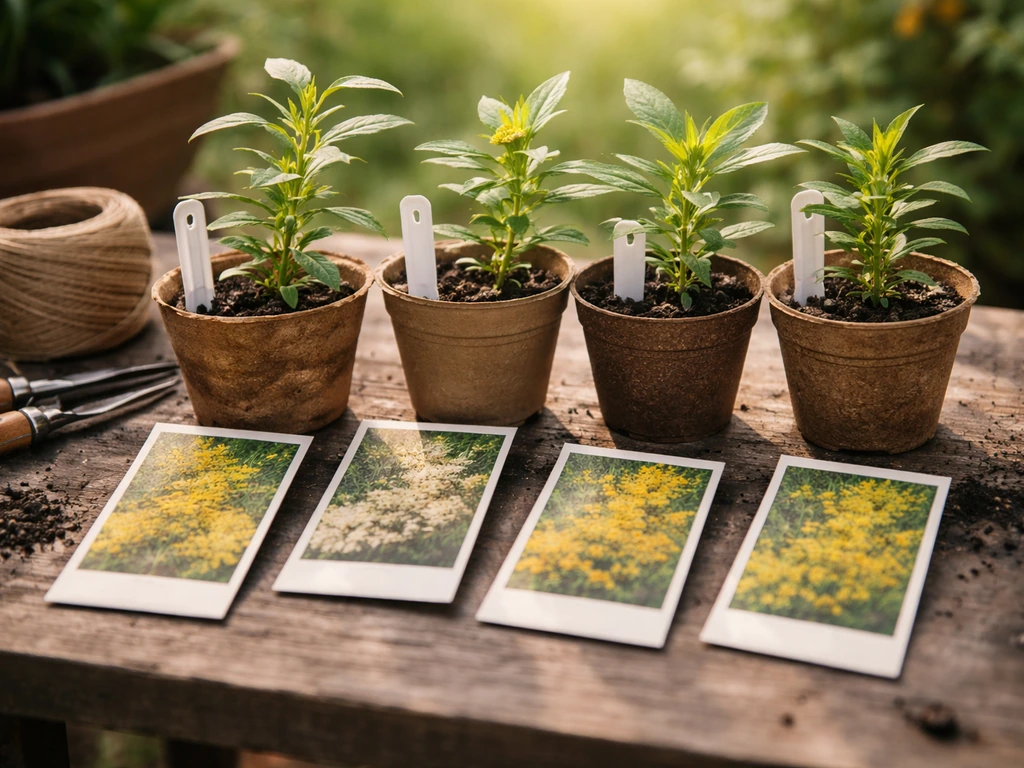
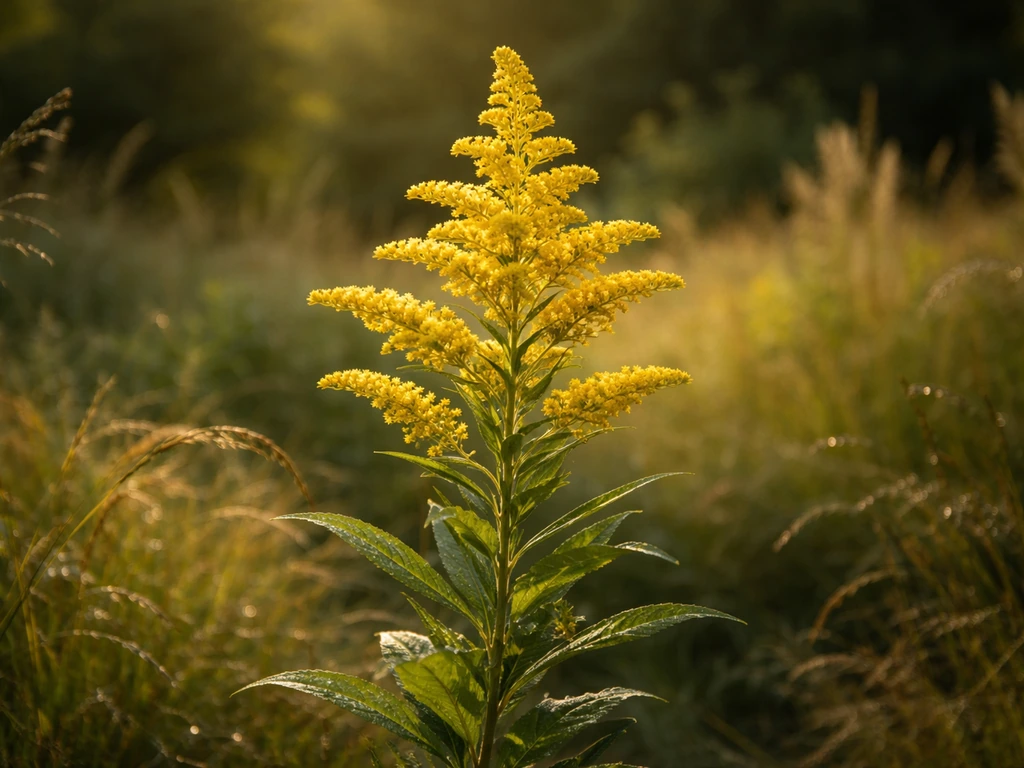
This is the step most gardeners skip, and it causes most of the headaches. Not all goldenrods behave the same in a garden bed. Solidago canadensis, the species you'll find growing wild along roadsides, spreads aggressively by both rhizomes and seed. It's beautiful, but it can quickly overwhelm a mixed border if you're not watching it. For a home garden, you want something more contained.
Solidago rugosa 'Fireworks' is probably the most garden-friendly option out there. It tops out at 30 to 36 inches tall with a similar spread, blooms in September and October, and is described as relatively well-behaved compared to wild species. It still spreads over time through rhizomes, but at a pace you can manage. Solidago speciosa (showy goldenrod) is another excellent choice, especially for smaller spaces. It spreads at a noticeably slower rate than most other goldenrods, which makes it much easier to control. Solidago virgaurea is a good option if your soil runs sandy and dry.
| Species / Cultivar | Height | Spread Rate | Best For |
|---|---|---|---|
| Solidago rugosa 'Fireworks' | 30–36 inches | Moderate, manageable | Most home garden beds |
| Solidago speciosa (Showy Goldenrod) | 24–36 inches | Slow (rhizomes) | Smaller spaces, tighter borders |
| Solidago canadensis | 36–60+ inches | Fast (rhizomes + seed) | Naturalized areas, meadows |
| Solidago virgaurea | 12–36 inches | Moderate | Sandy, dry soil gardens |
If you're gardening in a typical home landscape with defined beds, 'Fireworks' or showy goldenrod are your best bets. Save the wild species like canadensis for a naturalized patch or meadow area where spread is welcome.
Set up the right growing conditions
Goldenrod is not fussy, but it does have preferences. Get these right and you'll barely have to think about it again.
Sun
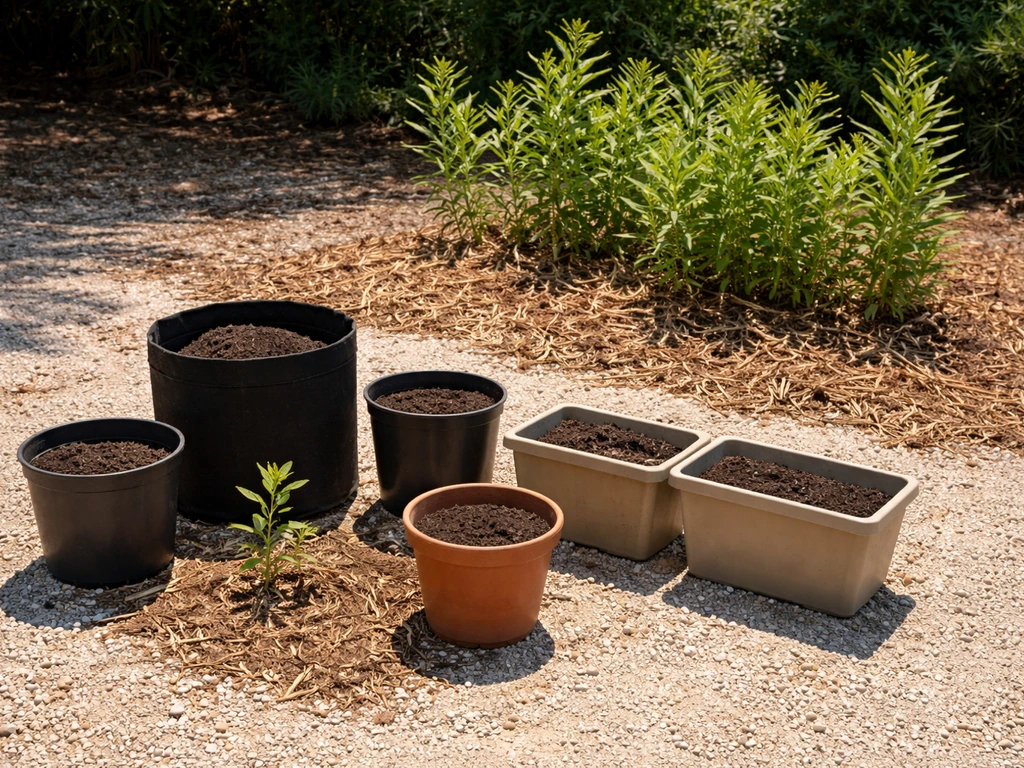
Full sun is non-negotiable for the best blooms. Aim for at least 6 hours of direct sunlight per day. Goldenrod can tolerate partial shade, especially Solidago rugosa, but flowering will be noticeably reduced. If your site gets less than 4 hours of sun, pick a different plant.
Soil
Average, well-drained soil is ideal. Goldenrod actually performs better in lean soil than in rich, heavily amended beds. Overly fertile soil encourages lots of leafy growth at the expense of flowers, and it can also make plants floppier. You want soil that drains well after rain but holds a bit of moisture. Sandy or loamy soil is great. Heavy clay is workable if you improve drainage. Solidago virgaurea specifically prefers sandy, well-drained conditions, while Solidago rugosa can handle wetter soils than most goldenrods.
Moisture
Once established, goldenrod is drought-tolerant and rarely needs supplemental watering in most climates. During establishment in the first season, keep the soil consistently moist but not waterlogged. After that, established plants typically manage fine on rainfall alone except during extended dry spells.
Spacing
For 'Fireworks' and similarly sized cultivars, plant or thin to about 18 to 24 inches apart. This gives each plant room to develop its characteristic arching form without crowding. Since goldenrod spreads over time, giving it a little extra room upfront saves you work later.
When to plant goldenrod
Timing depends on how you're starting your goldenrod. Here's how it breaks down for seeds, transplants, and divisions.
- Seeds (outdoor sowing): Sow in late fall, just before the ground freezes. This lets the seeds overwinter naturally and receive the cold stratification they need. They'll germinate the following spring.
- Seeds (indoor starting): Start seeds indoors in late winter. Cold-stratify in the refrigerator for 60 days before sowing, then provide warmth (around 70°F) for germination. Transplant outdoors after your last frost.
- Transplants (nursery or homegrown starts): Plant out after the last frost date in spring, once nighttime temperatures stay above about 40°F. Fall planting (6 to 8 weeks before first frost) also works well and often leads to stronger establishment.
- Divisions: Divide existing clumps in spring just as new growth appears, or in late summer after blooming winds down. Spring division is generally easier to manage.
How to grow goldenrod from seed
Growing goldenrod from seed is satisfying but requires a little patience because the seeds need cold stratification to germinate well. Purple poppies are grown differently than goldenrod, so check a dedicated guide for planting, sunlight needs, and seed handling. Red Flanders poppies have their own needs, so follow specific sowing and care steps tailored to that variety how to grow red flanders poppies. Think of it as mimicking what happens naturally when seeds fall to the ground in autumn and spend the winter in the cold soil.
Stratification: why it matters and how to do it
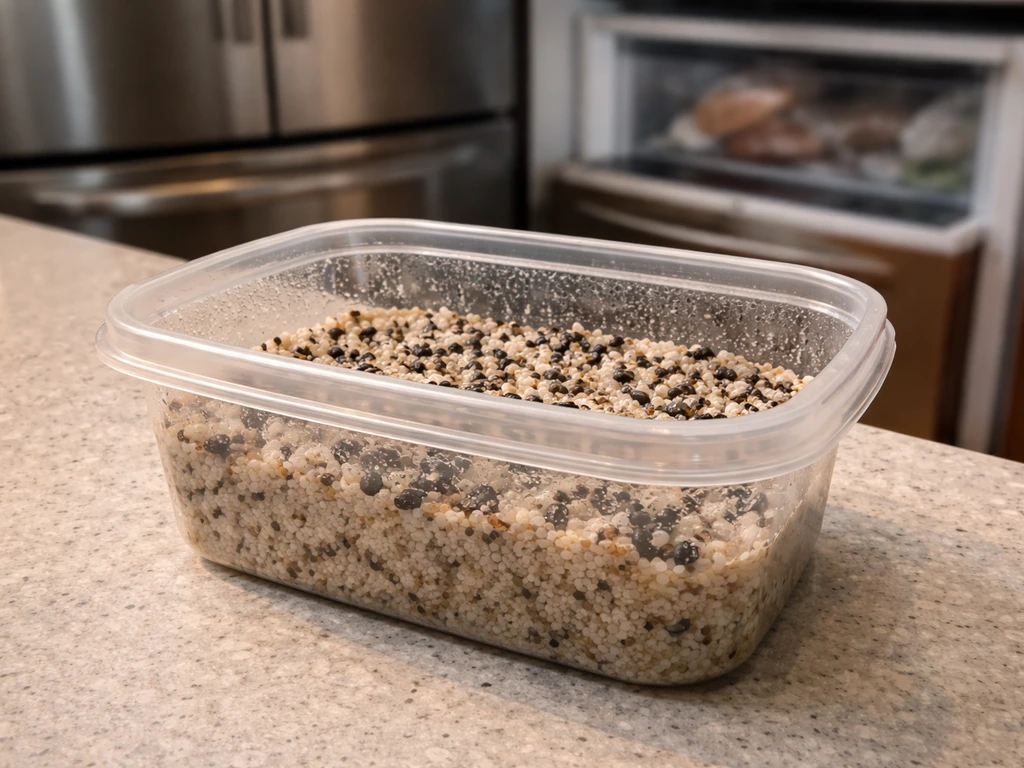
Both Solidago rugosa and Solidago speciosa have germination requirements that include cold-moist stratification for about 60 days. Without this, germination rates will be poor and erratic. Solidago speciosa can sometimes germinate without pre-treatment, but stratifying first reliably improves your results.
- Moisten a small handful of perlite or sand and mix your seeds into it.
- Place the mix in a zip-lock bag or small sealed container.
- Label it with the date and species, then put it in your refrigerator (around 35–40°F).
- Leave it there for 60 days, checking occasionally to make sure the medium stays slightly moist but not sopping wet.
- After 60 days, your seeds are ready to sow.
If you'd rather skip the indoor process entirely, just sow seeds directly outdoors in late fall on a prepared, weed-free bed. Press them into bare, firm soil and let winter do the stratification work for you. They'll come up in spring.
Sowing depth and technique
Goldenrod seeds need light to germinate, so don't bury them. Surface sow them or cover them with no more than 1/8 to 1/4 inch of soil. When sowing indoors, press seeds onto the surface of a moist seed-starting mix and gently tamp them down for good contact with the growing medium. When sowing outdoors, rake them lightly into the top of the soil. That's it. Don't pile soil on top or they may not come up at all.
Germination and early seedling care
After stratification, bring your seeds to a warm location (around 65 to 75°F) for germination. Expect to see sprouts in 2 to 4 weeks. Seedlings are small and a bit slow at first. Keep the mix evenly moist but not soggy, and give them as much light as possible. A bright windowsill or a grow light kept a few inches above them works well. Once seedlings have two or three sets of true leaves and the danger of frost has passed, they're ready to harden off and transplant outdoors. Harden them off over 7 to 10 days by gradually exposing them to outdoor conditions before planting in their final spot.
Ongoing care: what goldenrod actually needs from you
Goldenrod is one of those plants that genuinely thrives on a bit of neglect. Once established, your main jobs are watering during dry spells, staying on top of weeds while plants are young, and keeping an eye out for a few common problems.
Watering
During the first growing season, water newly transplanted goldenrod regularly to help roots establish. Once plants are established (usually by their second year), they're quite drought-tolerant. In most regions, natural rainfall is enough. During extended dry periods in summer, give them a deep watering rather than frequent shallow sprinkles.
Fertilizing
Here's where less is more. Goldenrod doesn't need fertilizer, and feeding it with nitrogen-rich products will push leafy growth at the expense of flowers and can cause floppy stems. If your soil is genuinely poor (sandy with very little organic matter), work a modest amount of compost into the soil at planting time. After that, leave it alone.
Weed control
Young goldenrod seedlings are small and slow in their first year, which means weeds can easily outcompete them. Hand-weed around young plants and apply a light mulch around (not on top of) transplants to suppress weed germination. Once goldenrod fills in, it's competitive enough to shade out most weeds on its own.
Pests and diseases
Goldenrod is generally tough, but a few issues come up regularly. Powdery mildew shows up as a white or gray coating on leaf surfaces, especially in humid conditions or when airflow is poor. Rust and leaf spot are also common on some species, particularly Solidago canadensis. The best prevention is good spacing for airflow and keeping plants in full sun. If you want to sidestep these problems entirely, choose resistant cultivars: 'Fireworks' and 'Golden Fleece' are both reported to have good resistance to rust and powdery mildew.
Goldenrod gall fly is another thing to watch for. The fly lays eggs in stems and the larvae cause round, ball-shaped galls. The galls are mostly cosmetic and don't kill the plant. If they bother you, prune out affected stems and dispose of them in the trash, not the compost.
Encouraging blooms and keeping spread in check
Goldenrod's natural tendency to spread is one of the things that makes it such a vigorous plant, but in a garden bed, you need to stay ahead of it. A few simple practices keep it looking great without letting it take over.
Deadheading for more blooms
Removing spent flowers encourages goldenrod to push out additional blooms and extends the display into fall. It also prevents self-seeding, which is the main way plants like Solidago canadensis can spread beyond their intended area. Deadhead by snipping off the flower clusters as they fade, before seed heads fully form.
Dividing to control spread and rejuvenate plants
Goldenrod naturalizes quickly and clumps expand steadily over time through underground rhizomes. Dividing every two to three years keeps the spread manageable and actually improves plant vigor and bloom quality. Divide in spring as new growth appears, or in late summer after the main bloom period wraps up. Dig up the clump, split it into sections with a sharp spade or garden fork, replant what you want to keep, and pot up or share the extras. It's an easy way to make more plants for free.
- Water the clump thoroughly the day before dividing to make digging easier.
- Use a sharp spade to cut around the clump and lift it out of the ground.
- Split the clump into sections, each with several healthy shoots and a good root mass.
- Replant divisions at the same depth as the original, spacing them 18 to 24 inches apart.
- Water in well and keep consistently moist for the first few weeks after replanting.
Managing self-seeding
If you're growing species like Solidago canadensis and you don't deadhead, expect seedlings to pop up in new places. This can be welcome in a wildflower or meadow setting, but it's something to manage actively in a mixed border. For contained garden use, deadheading consistently is your best tool. Installing a physical root barrier around more aggressive species can also help slow rhizome spread.
Harvesting goldenrod for cut flowers and drying
Goldenrod is a genuinely excellent cut flower and one of the best flowers for drying. It adds texture, warmth, and movement to arrangements, and it holds its color and shape well after drying.
Cutting for fresh arrangements
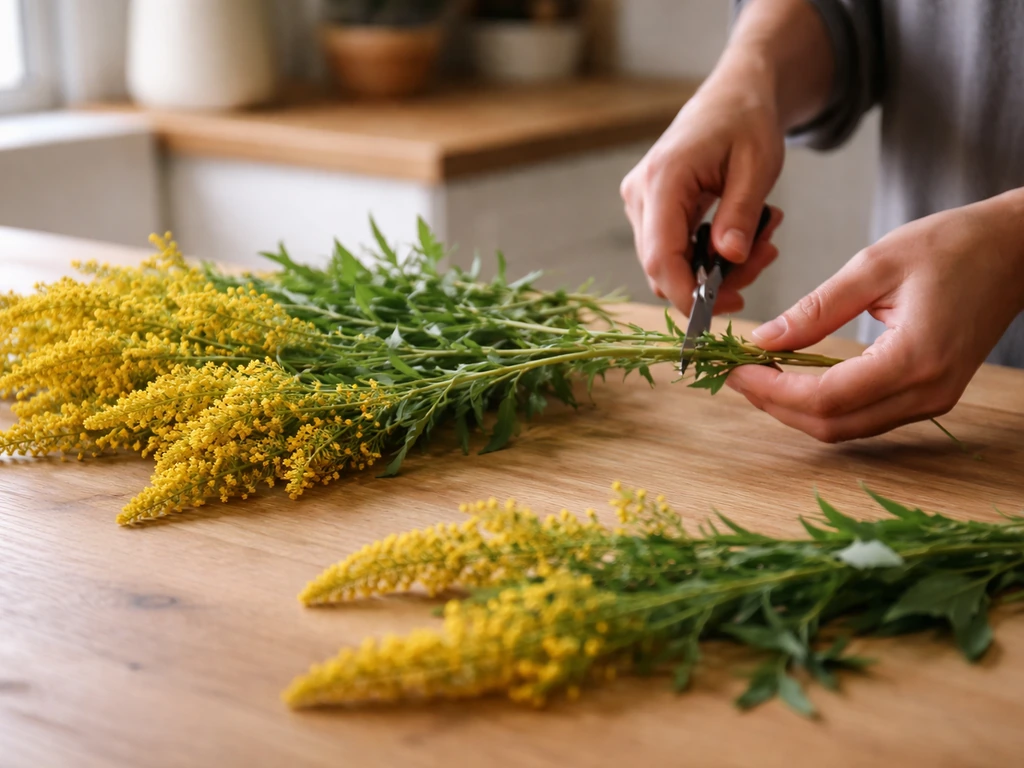
For the longest vase life, cut stems when the flower clusters are about half to three-quarters open. Stems cut too early (tight buds) don't always open fully in the vase, and stems cut when fully open won't last as long. Cut in the early morning when stems are fully hydrated, use clean sharp scissors or pruners, and place stems immediately in water. Strip any foliage that would sit below the waterline. Goldenrod vase life is decent fresh, and keeping your vase water clean and changing it every couple of days extends it further.
Drying goldenrod at home
Air drying is simple and effective. Harvest stems just before the flowers are fully open (they'll continue to develop slightly as they dry). Bundle 5 to 10 stems together, secure them with a rubber band at the base, and hang them upside down in a warm, dry, well-ventilated spot out of direct sunlight. A dry shed, spare room, or warm closet all work well. They'll be fully dry in 2 to 3 weeks. Once dry, goldenrod keeps its golden color for months and is excellent in dried wreaths, arrangements, and autumn displays.
A quick note on allergies
Goldenrod has a reputation for causing hay fever, but it's largely undeserved. Its pollen is heavy and insect-carried, not wind-borne, so it rarely triggers allergies the way ragweed (which blooms at the same time) does. That said, people with sensitivities to the Asteraceae plant family can occasionally react to goldenrod, so if you're allergy-prone, handle it with that in mind.
Your next steps
If you're starting today in May, you have a few good options. You can source transplants or plugs from a native plant nursery and get them in the ground now for blooms this fall. If you want to start from seed, put seeds in the refrigerator for stratification now and plan on transplanting seedlings outdoors in 10 to 12 weeks. Or simply prepare a bed now and plan for a fall outdoor sow to let nature handle stratification over winter. Any of these paths gets you to the same place: a patch of bright golden blooms in September and October, with pollinators going absolutely wild over it. Orange poppy flowers have very different seed-starting and care steps than goldenrod, so it helps to follow a dedicated guide for their specific needs how to grow orange poppy flower. If you are specifically growing poppies in Colorado, match planting timing and sunlight to your local climate and soil how to grow poppies in colorado.
FAQ
Can I stratify goldenrod seeds for a shorter time than 60 days and still get good germination?
Yes, but only if you commit to repeated cold conditions. If you stratify in the fridge, store seeds in a sealed bag with slightly moist medium (paper towel or mix), then keep them at 33 to 41°F. After sowing, you still need bright light and consistent surface moisture, otherwise they may stay dormant instead of sprouting.
Why aren’t my goldenrod seeds sprouting even though I waited a few weeks?
Not really. Goldenrod seeds need light, so burying them is a common reason for total failure. Keep coverage to a very thin layer (no more than 1/8 to 1/4 inch outdoors, or just press them onto the surface indoors) and tamp gently for contact.
My goldenrod seedlings look leggy and weak, what should I do?
If your sprouts are pale and stretchy, it usually means insufficient light. Move seedlings to the brightest window you have or provide a grow light, and keep the light close (a few inches above). Once you see true leaves, aim for sturdy growth before transplanting.
Should I thin goldenrod seedlings, and how do I decide how many to keep?
Start thinning based on spacing goals rather than leaving extra seedlings. For the best arching form, thin to about 18 to 24 inches for Fireworks-sized plants. Crowding reduces airflow and can increase mildew, even though the plants are otherwise tough.
Can I grow goldenrod in a pot without it taking over?
For containers, choose more compact, slower-spreading cultivars, then use a wide pot with excellent drainage. Keep full sun, avoid rich feeding (light compost at most), and plan on dividing and refreshing the potting mix every couple of years because goldenrod forms a strong root system and naturally expands.
What can I do to prevent powdery mildew on goldenrod?
In hot or humid climates, airflow matters more than most people expect. Place plants with enough space, avoid overhead crowding, and water at soil level. If powdery mildew starts, improving spacing and keeping foliage drier usually helps, and resilient cultivars like Fireworks are typically easier.
If I want fewer volunteers, should I deadhead goldenrod or leave the seed heads?
Yes, but do it selectively. Deadheading spent blooms before seed set reduces self-seeding and can prolong fall color. Leave some heads only if you want controlled seed for a future sowing project, and remember that many species spread beyond borders quickly.
Are goldenrod galls harmful, and how should I handle them?
If you see round, ball-like galls on stems, remove and trash the affected stems promptly. Don’t compost them if you want to prevent the life cycle from continuing in your yard. The galls are usually cosmetic, so the rest of the plant often stays healthy.
How often should I divide goldenrod to keep it under control?
For a mixed border, divide more often than you would in a meadow. Every 2 to 3 years is a good baseline, and if it starts encroaching, divide sooner in spring or late summer. Replant the strongest sections and discard or share the rest.
Should I fertilize goldenrod to get more blooms?
Typically, goldenrod does not need supplemental fertilizer. If you suspect your soil is extremely poor, add only modest compost at planting. Too much nitrogen often produces lush leaves with fewer flowers and can make stems flop, especially in rich beds.
When is the best time to cut goldenrod for the longest vase life?
Cutting too early can limit bloom opening in the vase, and cutting fully open blooms reduces vase life. Aim for when the flower cluster is about half to three-quarters open, cut early in the morning, strip submerged foliage, and change water every couple of days.
Next Article
Can You Grow Marigold From Flower? Seed & Propagation Guide
Learn how to grow marigolds from dried flowers: harvest and sow seeds, fix germination issues, and care tips.