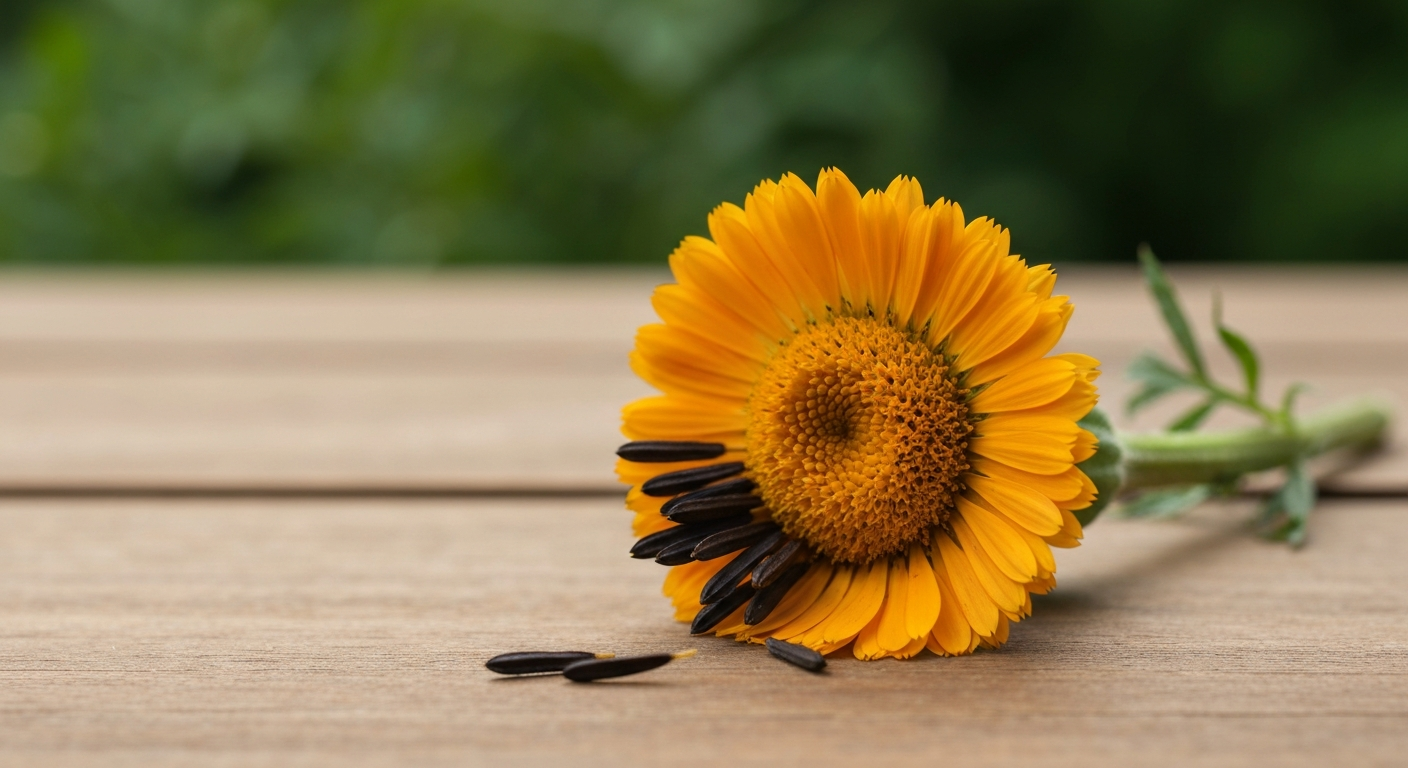
Crown flower is Calotropis gigantea, a fast-growing tropical shrub that produces clusters of waxy, star-shaped lavender or white blooms beloved by monarchs, bees, and anyone who wants a bold, low-fuss flowering plant. It thrives in full sun, tolerates drought once established, and can go from seed to first bloom in as little as four to six months when conditions are right.
How to Grow Crown Flower From Seed Step by Step

Marcus Holloway
16 May 2026
If you're looking for moonflower specifically, the key is to grow it in warm weather, give it full sun, and sow or transplant at the right time for your climate how to grow moonflower bush. If you're in a warm, frost-free climate, this is one of the more rewarding plants you can grow from seed. If you're in a cooler zone, container growing or treating it as a tender annual is the practical path forward.
First, make sure you're growing the right crown flower
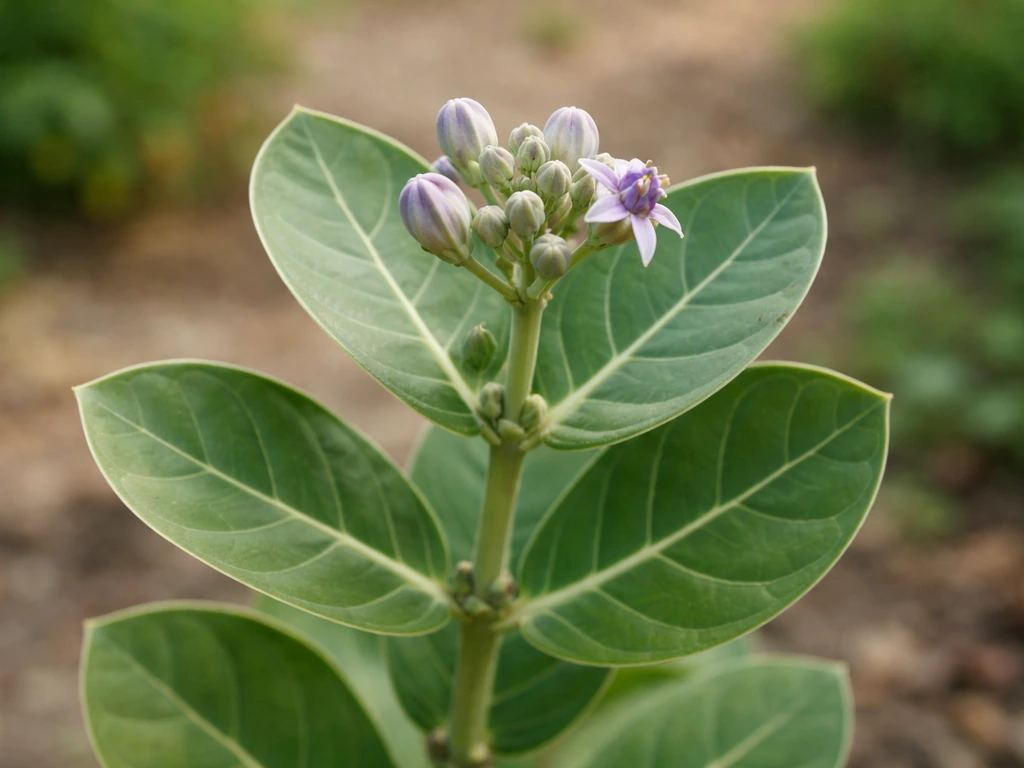
"Crown flower" is one of those common names that can point in a few directions depending on where you live. If you meant a different plant by the common name, double-check that you're following the specific steps for grow office time flower before you start any sowing or timing plan. The plant this guide is focused on is Calotropis gigantea, sometimes called giant milkweed. [In Hawaii, it's known as pua kalaunu](https://leipoinaoleproject.
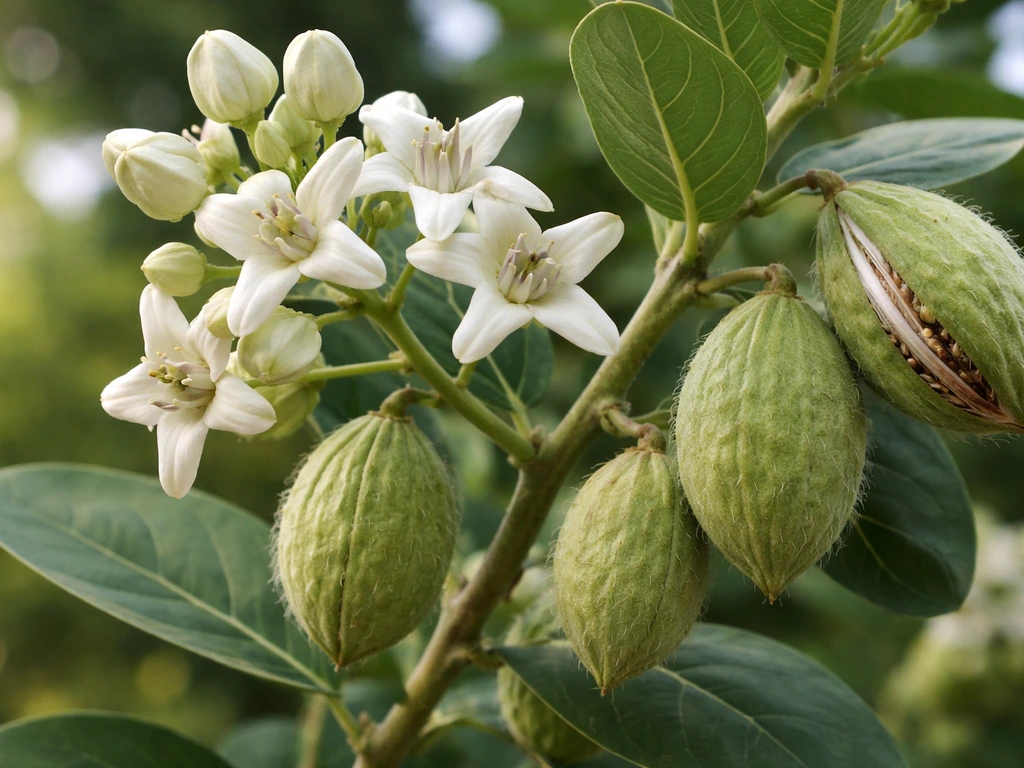
org/flowers/crown-flower) and has a long tradition of being used in lei making. It's a shrubby perennial with large, soft, fuzzy oval leaves, milky sap in all its stems and leaves, and globe-like clusters of small, crown-shaped flowers in lavender or white. A close relative, Calotropis procera, is widely called giant milkweed or crown plant in South Asia, the Middle East, and parts of Africa. It looks very similar and is grown the same way.
For the purposes of this guide, both are treated as interchangeable in terms of culture, though C. gigantea tends to grow slightly larger.
If the plant you're looking at has thick, opposite leaves, produces large balloon-like seed pods filled with flat seeds attached to silky white floss, and bleeds white milky sap when cut, you have the right plant. That milky sap is a key identifier, and it's also an important safety consideration we'll cover later.
Where crown flower grows best
Crown flower is a tropical and subtropical plant. It does best in USDA hardiness zones 9 through 12, where winters stay frost-free. Hawaii, Florida, coastal California, the Gulf Coast, and similar climates are ideal. In colder zones (below zone 9), grow it in a large container that you can move indoors before the first frost, or treat it as an annual and start fresh from seed each year. The plant is not fussy about humidity, handles dry inland conditions well, and absolutely loves heat. If your summers are hot and sunny, crown flower will reward you.
Pick the right season and decide how to sow
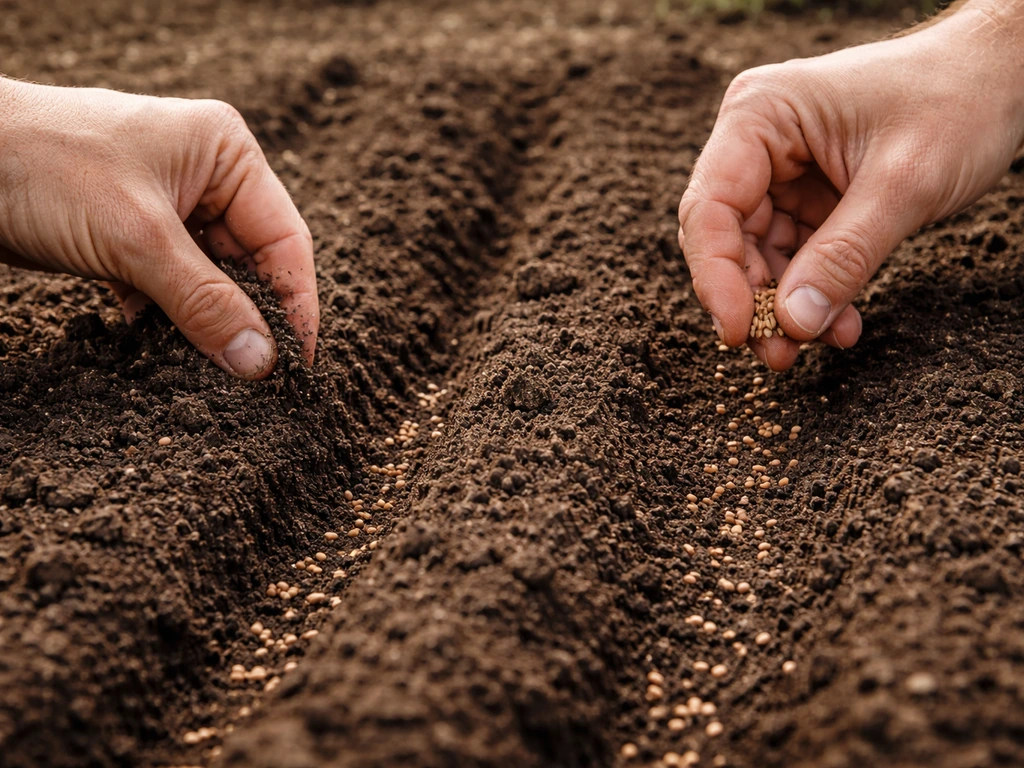
Timing is straightforward. Crown flower wants warm soil and warm air. In frost-free climates, you can direct sow outdoors anytime soil temperature is consistently above 65°F (18°C), with spring being the most common and productive window. In climates with cool winters or short warm seasons, start seeds indoors 8 to 10 weeks before your last frost date so you can set out established seedlings when the weather cooperates.
| Method | Best for | Timing | Notes |
|---|---|---|---|
| Direct sow outdoors | Zones 10-12, tropical climates | Spring or early rainy season | Fastest and easiest; minimal transplant stress |
| Indoor seed start | Zones 9 and below, short warm seasons | 8-10 weeks before last frost | Gives you a head start; requires hardening off |
| Container growing | Any zone with cold winters | Start indoors in spring | Move pots outdoors in summer, inside before frost |
Direct sowing is simpler and crown flower handles it well in warm climates. Indoor starting is the better call if your growing season is short or unpredictable. Either way, don't rush it into cool soil. Seeds sitting in cold, damp ground rot more often than they germinate.
Soil, sun, spacing, and drainage
Crown flower is not a demanding plant when it comes to soil, but there are a few non-negotiables. Drainage is the biggest one. This plant will not tolerate soggy roots. It naturally grows in sandy, rocky, or well-drained soils in coastal and arid regions, and it has adapted to handle nutrient-poor conditions. That said, a moderately fertile, loose soil gives you better growth in the first year. Here's what to aim for:
- Full sun: at least 6 to 8 hours of direct sunlight per day, with more being better in cooler climates
- Soil pH between 6.0 and 7.5; slightly alkaline is tolerated well
- Well-draining soil with some organic matter mixed in; avoid heavy clay without amendment
- Spacing of 3 to 5 feet between plants, since mature crown flower shrubs can reach 6 to 10 feet tall and 4 to 6 feet wide
- If growing in containers, use a pot at least 15 to 20 gallons with drainage holes and a mix of potting soil and coarse sand or perlite
To improve drainage in heavier soil, dig your planting hole wider than needed and work in a few inches of coarse sand or grit. You can also build a slightly raised mound for each plant. Skipping this step in clay-heavy soil is one of the top reasons crown flower fails to thrive.
Getting seeds to germinate
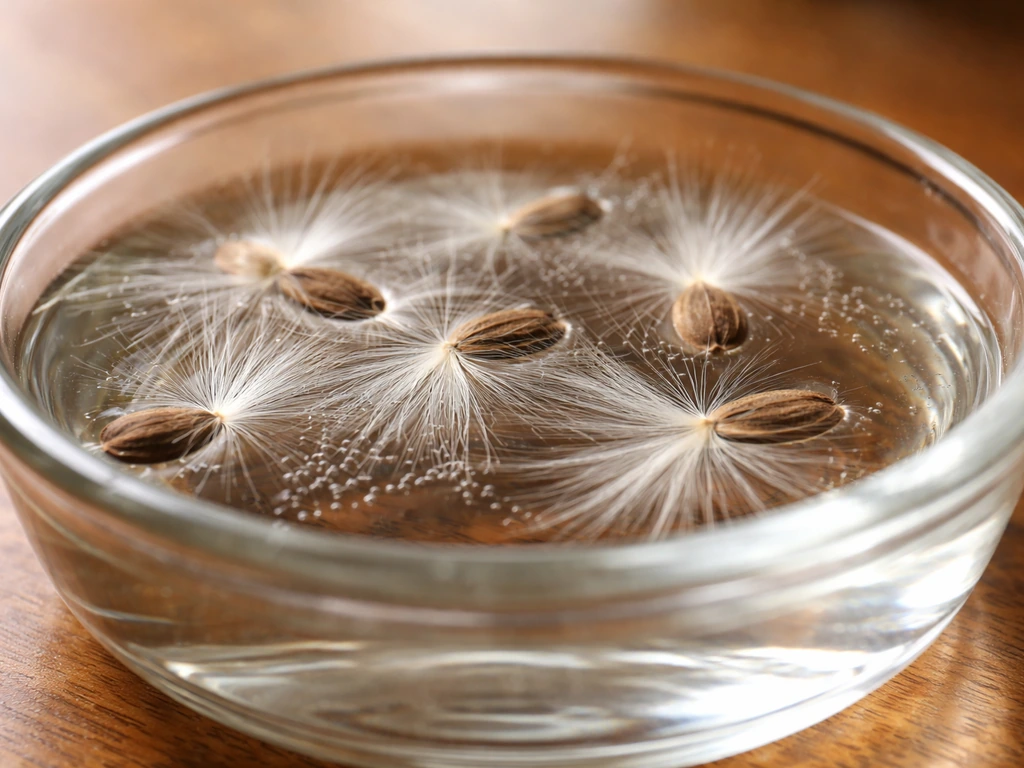
Crown flower seeds germinate readily when they're fresh and given warm conditions. The seeds are flat and disc-shaped, each attached to a tuft of white silk inside the pod. Seed viability drops noticeably after one year, so use fresh seed whenever you can. Here's how to give yourself the best shot at strong germination:
- Soak the seeds in warm (not hot) water for 12 to 24 hours before sowing. This softens the seed coat and speeds germination noticeably.
- Fill small pots or seed trays with a mix of 50% seed-starting mix and 50% coarse perlite or sand for drainage.
- Sow seeds about 1/4 inch deep. Press them gently into the surface rather than burying them deep.
- Water lightly to moisten the mix, then cover the tray with a clear plastic lid or plastic wrap to hold humidity.
- Place the tray somewhere consistently warm, ideally 75°F to 85°F (24°C to 29°C). A heat mat set to 80°F makes a real difference.
- Check daily and mist the surface if it dries out. Do not let the mix stay sopping wet.
- Expect germination in 7 to 14 days under good conditions. Cooler temperatures can push this to 3 weeks.
If you're direct sowing, press the pre-soaked seeds into warm, prepared soil at 1/4 inch depth, space them about 6 inches apart (you'll thin later), and water gently. Mark the spot and keep the soil lightly moist until you see sprouts. Don't overwater while waiting for germination. Cool, wet soil is the most common cause of failure.
Transplanting and early seedling care
Once your seedlings have two to four true leaves and are 3 to 4 inches tall, they're ready to be moved to larger pots or prepared outdoor beds. At this stage, the roots are active and the plants want more light and space. If you've been starting indoors, hardening off is essential before putting them in the ground.
How to harden off crown flower seedlings
- Start a week to ten days before your transplant date.
- Set seedlings outside in a sheltered, partially shaded spot for 2 to 3 hours on day one.
- Add an hour of outdoor time each day, gradually moving them into more direct sun.
- By day seven or eight, they should be able to handle a full day of sun without wilting or leaf scorch.
- Transplant on a mild, overcast day or in the late afternoon to reduce stress.
When transplanting, dig a hole slightly larger than the root ball, set the plant at the same depth it was growing in its pot, and firm the soil around it. Water thoroughly right after planting. Crown flower doesn't love being disturbed, so handle the roots gently and avoid breaking up the root ball unnecessarily. If you direct-sowed, thin seedlings to one plant every 3 to 5 feet once they're 4 to 6 inches tall. Just snip the extras at soil level rather than pulling them up, which disturbs the roots of the keeper plants.
Ongoing care: watering, feeding, pruning, and keeping pests out
Watering
Young plants need regular watering for the first 6 to 8 weeks while their root system establishes. Water deeply two to three times per week, letting the top inch of soil dry slightly between sessions. Once established, crown flower is genuinely drought-tolerant. Mature plants in the ground typically need watering only during extended dry spells, roughly once every one to two weeks depending on heat and soil. Container plants dry out faster and need more frequent attention, especially in summer heat.
Feeding
Crown flower is not a heavy feeder. In decent soil, it grows vigorously without much help. That said, a light feeding schedule gives you more blooms and stronger growth. Apply a balanced, slow-release granular fertilizer (something like 10-10-10) at planting time, and then feed once every 6 to 8 weeks through the growing season. Avoid high-nitrogen fertilizers, which push leafy growth at the expense of flowers. If your soil is very sandy or depleted, a liquid bloom-booster fertilizer with higher phosphorus can help once the plant is 12 to 18 inches tall.
Pruning and shape control
Crown flower grows into a large, loosely branched shrub that can get leggy without some management. Prune lightly after a flush of blooms to encourage bushier growth and more flower clusters. Cut stems back by about one-third, always cutting just above a leaf node. Wear gloves whenever you prune because the milky white sap that flows from cut stems irritates skin and eyes. In frost-free climates, you can do a harder cut-back once a year, in late winter or early spring, to keep the plant compact and productive.
Pests and disease
Crown flower is notably pest-resistant, partly because of its toxic sap. The main insect you'll see on it intentionally is the monarch butterfly and its larvae, which are immune to the plant's toxins. That's a feature, not a problem. Aphids occasionally cluster on new growth; knock them off with a strong water spray or apply insecticidal soap. Mealybugs can appear in clusters, especially in dry conditions. Wipe them off with a cotton swab dipped in rubbing alcohol or spray with neem oil. Root rot from overwatering is the most common disease-related issue. Ensure good drainage and you'll mostly avoid it.
Troubleshooting problems and handling the plant safely
Common problems and fixes
| Problem | Likely cause | Fix |
|---|---|---|
| Seeds not germinating | Cold soil, old seed, or overwatering | Use heat mat, soak seeds first, improve drainage |
| Leggy seedlings indoors | Not enough light | Move closer to grow light or brightest window; harden off and move outside |
| Yellowing leaves | Overwatering or nutrient deficiency | Let soil dry between waterings; apply balanced fertilizer |
| No flowers after several months | Too much shade or too much nitrogen | Move to full sun; switch to low-nitrogen, high-phosphorus feed |
| Wilting despite moist soil | Root rot from poor drainage | Repot or improve drainage; reduce watering frequency |
| Leaf scorch or browning tips | Heat stress combined with drought | Water deeply and mulch around base to conserve moisture |
Safe handling: the sap is not something to ignore
The milky white sap in crown flower's stems and leaves is toxic. It's an irritant on skin and can cause serious problems if it gets into eyes or is ingested. This is worth taking seriously, not just noting and forgetting. Wear gloves any time you prune, propagate, or handle cut stems. If sap gets on your skin, wash it off with soap and water immediately. Keep children and pets away from freshly pruned plants. Don't compost large quantities of freshly cut material in a pile that pets or wildlife might dig through. That said, the established plant in your garden is fine to be around, and it's a genuinely wonderful wildlife plant for pollinators.
Collecting seeds and setting yourself up for next season
One of the best things about crown flower is how easy it is to save seed and keep growing it year after year. After the flowers fade, the plant forms large, oval, balloon-like seed pods, sometimes called follicles. These pods can be 3 to 4 inches long. Wait until they turn pale and start to split open at the seam before harvesting them, which signals the seeds are fully ripe.
- Put on gloves before handling the pods, since cutting or breaking them releases sap.
- Harvest pods that are dry, light-colored, and beginning to crack open. If they're still green and firm, give them more time.
- Split the pod open over a paper bag or bowl and gently pull the seeds free from the silky floss. The floss is slippery and will drift around, so work in a calm spot.
- Spread the seeds on a paper towel for a few days to dry completely before storing.
- Store dry seeds in a small paper envelope or glass jar in a cool, dark place. Label with the date. Use within one year for best germination rates.
- In frost-free zones, you can also let some pods open naturally and self-sow. Crown flower can spread, so monitor and thin as needed.
From seed, crown flower typically begins blooming in four to six months under good conditions. If you want bubble blossoms, follow the same timing and growing basics so your crown flower stays healthy enough to produce blooms crown flower typically begins blooming. In its second year, an established plant in the ground can bloom almost year-round in warm climates. Container plants in cooler climates will bloom through summer and into fall before you bring them in for winter. Either way, once you have one established plant and a small stash of seeds, you'll have crown flower in your garden for as long as you want it.
If you enjoy growing other bold, unusual flowers from seed, the same patient-but-rewarding approach works well for plants like moonflower bush and big moon blossom, which share crown flower's love of warmth and full sun. The fundamentals carry over well from one to the next.
FAQ
How can I tell if the plant I have is actually crown flower (Calotropis) and not a look-alike?
Confirm the milky white sap, thick opposite leaves, and the balloon-like seed pods that split and release flat seeds with silky floss. If cutting the plant does not produce sap that looks like latex, stop and re-check the ID before following crown flower care.
What is the best way to germinate crown flower seeds if they keep failing to sprout?
Use fresh seed, keep the soil consistently warm (avoid cold nights that chill the seed bed), and mist rather than soak while waiting. Also press the seeds in shallow (about 1/4 inch), because deeper planting often delays or prevents germination.
Should I direct sow or start indoors when I want the fastest blooms?
In warm, frost-free areas, direct sow usually wins on simplicity. For short seasons, start indoors 8 to 10 weeks before the last frost, then transplant only after hardening off, because cool planting slows growth and can delay your first bloom window.
How far apart should I plant crown flower seedlings?
Give them room, typically 3 to 5 feet between plants in the ground once they are thinned to keepers. Crowding reduces airflow and light, which can lead to leggy growth and more stress during heat waves.
Why is my crown flower seedling rotting or turning black at the base?
Most cases come from cold, wet conditions. Wait until soil temperature is reliably warm before planting, water lightly until germination, and improve drainage (raised mound or added grit) if your soil holds water.
Can I grow crown flower from cuttings instead of seeds?
Propagation by cut stems is possible, but the milky sap is irritating and the cut surface is more prone to infection if the environment stays too wet. If you try it, wear full protection, let cuts dry appropriately, and plant in a sharply draining medium.
Do I need fertilizer to get crown flower to bloom?
Not usually. If your soil is decent, it will grow without much feeding. If you do fertilize, use a balanced slow-release product at planting and then small, spaced doses, while avoiding high-nitrogen mixes that drive leaf growth over flowers.
Why does my crown flower look healthy but produce few or no flowers?
The two most common causes are insufficient sun and nitrogen-heavy feeding. Make sure it gets full sun, and if you’re fertilizing, switch to lower-nitrogen or a phosphorus-leaning bloom support only after the plant is established (for example, once it is about a foot tall).
How do I prune crown flower without damaging it or getting sap in my eyes?
Wear eye protection and gloves, cut just above a leaf node, and remove only about one-third after a bloom flush for regular shaping. Do not prune aggressively when plants are cold-stressed, since heat-loving growth pauses in cooler weather and sap flow can increase irritation.
Is crown flower safe for pollinators, and what about monarch eggs and larvae?
Yes, it is a recognized host, and monarch caterpillars can feed on it despite the plant’s toxins. If you want monarchs, avoid insecticides, especially broad sprays, and instead manage occasional aphids with targeted water sprays.
How often should I water in a container versus in the ground?
In the ground, once established, water deeply only during extended dry spells (often about every 1 to 2 weeks depending on heat and soil). In containers, expect more frequent watering because the pot dries out faster, and plan on checking the top inch of soil daily during hot spells.
When should I harvest seed pods for saving seed?
Harvest when the pods turn pale and begin to split along the seam, which signals full ripeness. If you pick them too early, viability drops, and remember seed usefulness declines after about a year.
Can crown flower handle frost, and what should I do if frost threatens?
It is best treated as hardy only in frost-free climates. If frost is possible, move container plants indoors before the first freeze, and avoid planting in the garden until danger of frost has fully passed and soil is warm.
Next Article
Can You Grow Marigold From Flower? Seed & Propagation Guide
Learn how to grow marigolds from dried flowers: harvest and sow seeds, fix germination issues, and care tips.