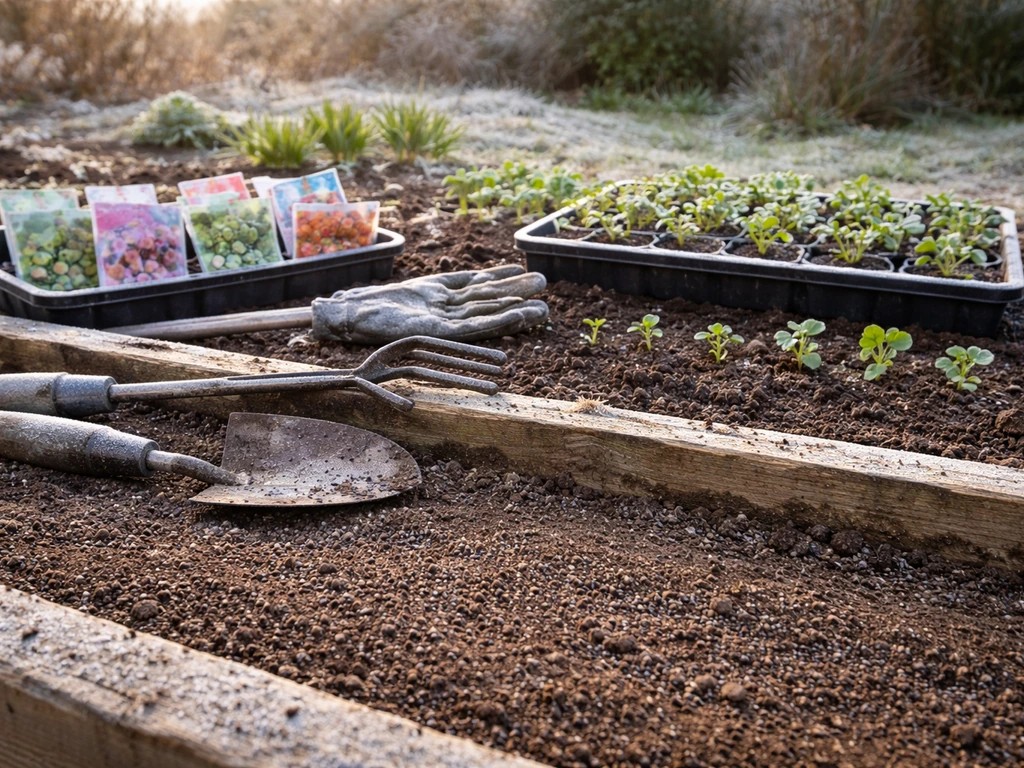
Zone 7 is genuinely good poppy territory. You can grow annual corn poppies (Papaver rhoeas), showy opium poppies (Papaver somniferum), perennial oriental poppies (Papaver orientale), and Iceland poppies (Papaver nudicaule), but each one has a different sowing window and method, and if you mix them up you'll get nothing but frustration. The key rule: most poppies want cool soil, direct sowing, and almost zero seed depth. Get those three things right and zone 7's mild winters and long springs work in your favor.
How to Grow Poppies in Zone 7: Seed to Bloom Guide

Marcus Holloway
7 Jul 2026
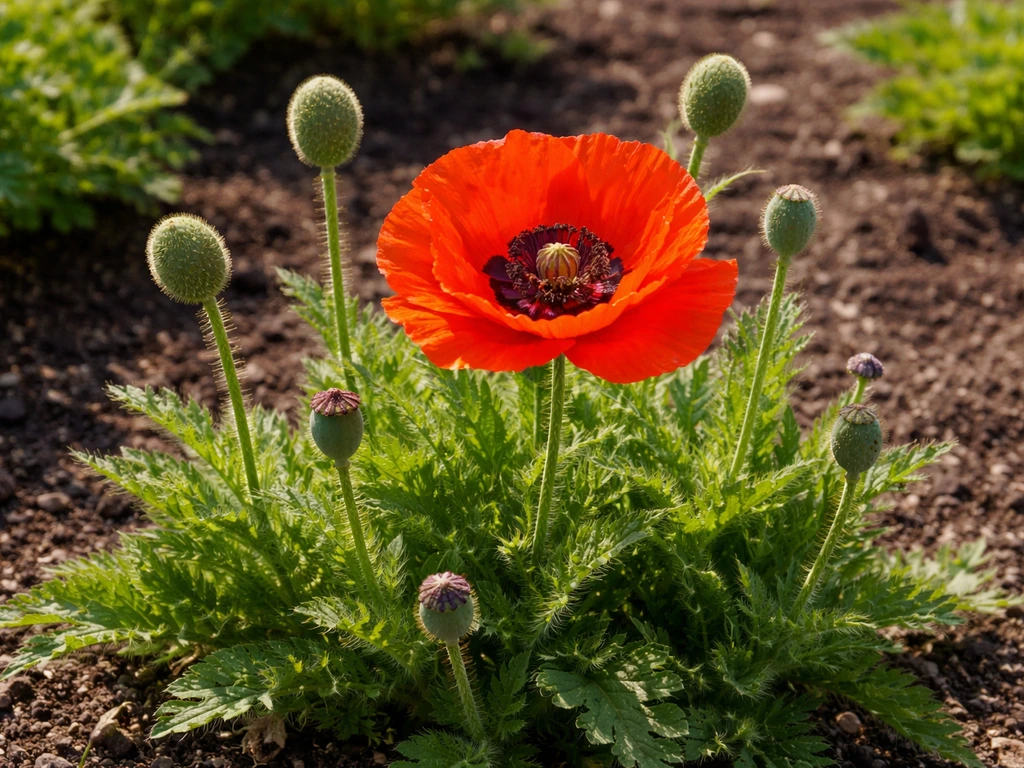
Pick the right poppy type for zone 7
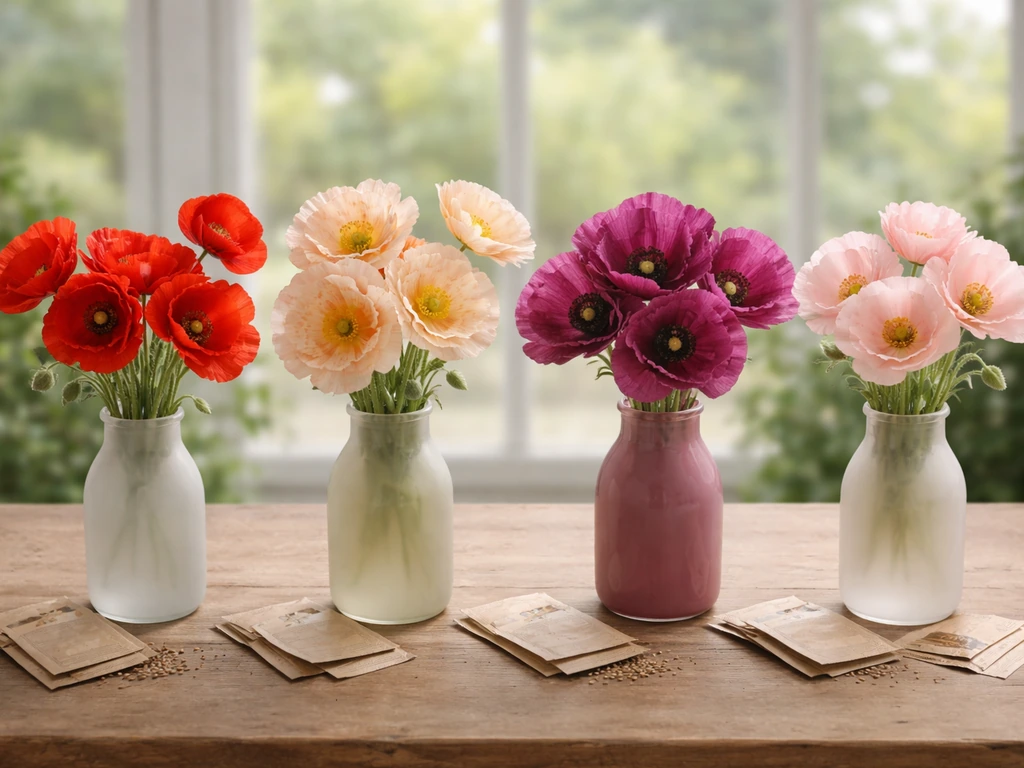
Before you buy a single seed packet, know what you're working with. The four main types behave very differently in zone 7's climate, which runs roughly from Washington D.C. and northern Virginia down through the Carolinas and across to parts of Texas and Oklahoma.
| Poppy Type | Species | Annual/Perennial | Zone 7 Fit | Best Sowing Window |
|---|---|---|---|---|
| Corn / Flanders Poppy | Papaver rhoeas | Annual | Excellent | Fall or early spring |
| Opium / Peony Poppy | Papaver somniferum | Annual | Excellent | Fall or early spring |
| Oriental Poppy | Papaver orientale | Perennial (zones 2–7) | Good — edge of range | Late summer or early fall |
| Iceland Poppy | Papaver nudicaule | Short-lived perennial/biennial | Good as cool-season annual | Fall or 10 weeks before last frost indoors |
Corn poppies and opium poppies are the easiest wins in zone 7, scatter seeds in fall or late winter and they practically grow themselves. Oriental poppies will come back year after year but sit at the warm edge of their hardiness range (zones 2–7), so give them excellent drainage and don't expect fireworks in their first season. Iceland poppies are technically short-lived perennials but behave like cool-season annuals in zone 7's heat; treat them as a fall-planted or very early spring crop for late winter and spring blooms before summer shuts them down.
If you're just starting out, go with corn poppies or a mix of Papaver somniferum varieties. They're forgiving, they self-sow reliably, and they'll reward you with blooms in the first season without any fuss. Once you've got a feel for how poppies behave in your specific spot, add orientals or Icelands.
When to plant poppies in zone 7
Timing is the single biggest reason poppies fail. They need cold soil to germinate properly, and they hate transplanting, so you have to get them in the ground at the right moment rather than nursing them inside and hoping for the best. If you want a complete, zone 5 plan, focus on the right poppy type and use the matching fall or early-spring sowing window.
The fall sowing window (usually October–November)
Fall sowing is the gold-standard method in zone 7 for corn poppies, opium poppies, and Iceland poppies. If you are figuring out how to grow Welsh poppies, start by choosing the right sowing time and site in zone 7 so seedlings can establish before heat arrives Fall sowing is the gold-standard method in zone 7. Sow after the first frosts have cooled the soil but while you still have a few weeks before a hard freeze locks the ground. In most of zone 7 that means October into early November. The seeds sit dormant through winter, experience natural cold stratification, and burst into growth as soon as soil warms in late winter or early spring. You'll get earlier, stronger plants this way than any spring-sown batch.
Early spring sowing (late February–March)
If you missed the fall window, direct sow as soon as the soil can be worked in late winter. In zone 7 that typically falls between late February and mid-March. Soil temperature should be around 60–65°F or cooler, poppies germinate poorly once soil pushes past 75°F, which is exactly the problem with late spring and summer sowing. Watch for a few consecutive days where overnight lows stay above freezing and daytime temps are in the 40s to 50s; that's your green light. Iceland poppies can also be direct seeded in early spring, though fall planting gives them the longest cool season to bloom before summer heat arrives.
Oriental poppy timing
Oriental poppies are best established from seed in late summer or early fall, think August into September in zone 7, so they can put down roots before winter. Germination needs soil temperatures around 65–75°F. Don't be discouraged if nothing appears above ground until the following spring; a zone 7 gardener once described watching her oriental poppies do absolutely nothing all winter while they quietly established roots underground. That's completely normal. They'll reward the patience.
Soil and site prep for reliable germination
Poppies are not heavy feeders, but they are extremely fussy about drainage. Root rot is a far more common cause of failure than poor fertility. Pick a spot with full sun, at least 6 hours a day, and soil that drains freely after rain. A sloped bed or raised bed is ideal if your zone 7 soil has any clay. Missouri Botanical Garden recommends organically rich, medium moisture, well-drained soil for corn poppies, and that description applies well across the genus.
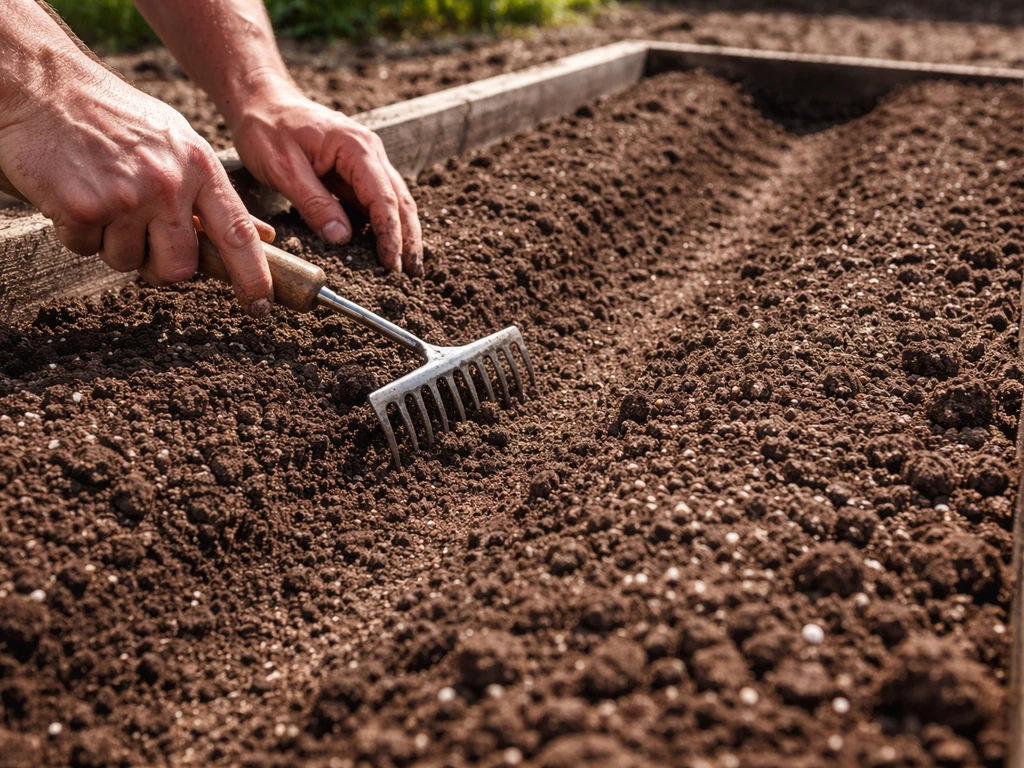
Aim for a soil pH between 6. Oriental poppies (Papaver orientale) are typically described as thriving around soil pH roughly 6.5 to 7.5 and doing best in full sun to part shade blank" rel="noopener noreferrer">soil pH between 6.5 and 7.5. 5 and 7.5. Most average garden soils hit this range without any amendment. Before sowing, loosen the top 3–4 inches, remove any weeds or clods, and rake the surface fine and level. Poppies have tiny seeds and need good seed-to-soil contact. If your soil is very heavy clay, work in a few inches of compost to improve structure, but don't overdo it. Rich, heavy soil encourages lush foliage but fewer flowers. Sandy or loamy soils with moderate fertility produce the best bloom.
One thing worth doing before you sow: weed the bed thoroughly. Poppy seedlings are wispy and fragile; they cannot compete with established weeds in the first few weeks. A clean seedbed at sowing time will save you a lot of headaches later.
How to sow poppy seeds
Direct sowing is almost always the right choice for poppies. They develop a taproot quickly after germination and hate being moved. Even gentle transplanting causes setbacks. If your soil and timing are right, a direct-sown poppy will almost always outperform an indoor-started one.
Direct sowing step by step
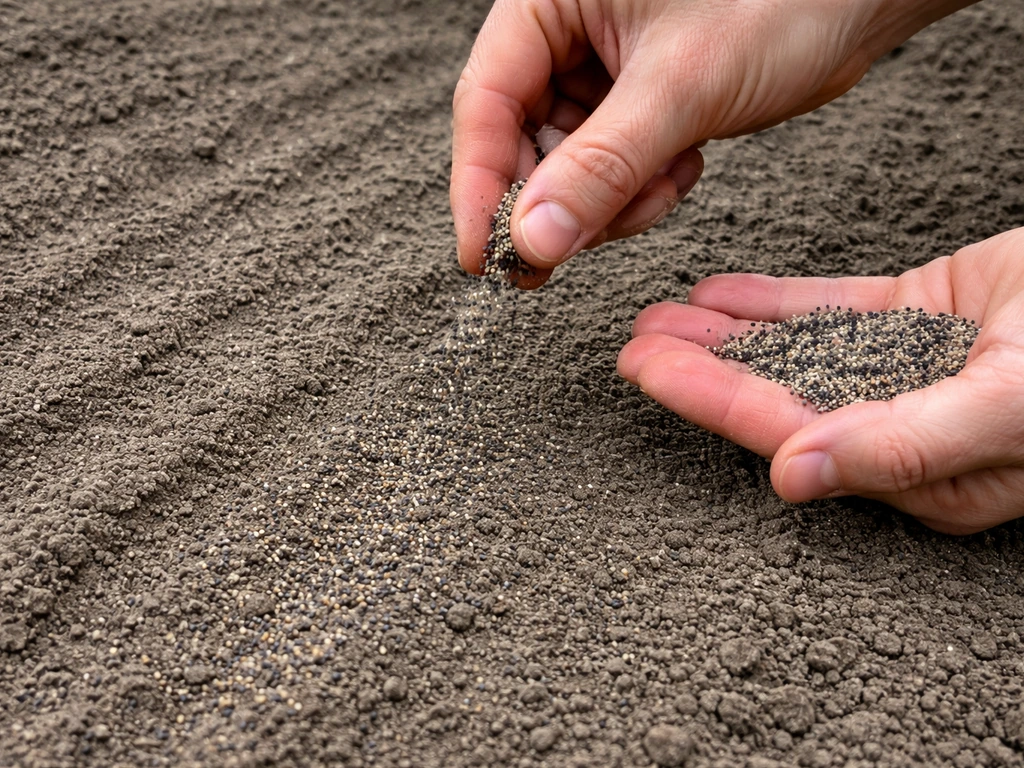
- Prep your bed as described above — fine, weed-free, raked smooth.
- Mix your seeds with fine sand at roughly a 1: 3 seed-to-sand ratio. Poppy seeds are tiny and the sand helps you see where you've sown and prevents clumping.
- Scatter the mix across the prepared area. For a natural look, broadcast it by hand. For rows, sprinkle thinly in a shallow trench.
- Press the seeds gently into the soil with your palm or the back of a rake. Do not bury them deeply. Corn poppies and opium poppies can go about 1/16 to 1/4 inch deep. Iceland poppies and oriental poppies need light to germinate — surface sow these or cover with no more than 1/8 inch of fine soil.
- Water gently with a fine mist so seeds don't wash away. Keep the surface consistently moist (not waterlogged) until germination.
- Mark your sowing area so you don't accidentally weed out emerging seedlings.
A note on sowing depth: sources genuinely disagree here, and it matters by species. Johnny's Selected Seeds recommends sowing corn poppies about 1/4 inch deep and notes they prefer darkness to germinate, while Iceland poppies are surface-sown because they need light. Oriental poppies from Ball Seed's production notes should not be buried at all. When in doubt, go shallower rather than deeper, most poppy failures from sowing are from seeds buried too deep, not too shallow.
Starting poppies indoors (when it makes sense)
Indoor starting is mainly useful for Iceland poppies in zone 7, where you want them blooming as early as possible in the cool season. Start seeds about 10 weeks before your last frost date, in zone 7 that means starting indoors around late January to early February for transplanting in late March or April. Sow in individual cells or small biodegradable pots to minimize root disturbance at transplanting. Surface sow, press gently, and keep at 65–70°F with bright light. Germination takes 14–21 days at that temperature range. Harden off carefully over 7–10 days before transplanting, and set plants out when nighttime temps are reliably above freezing.
If you want to try cold stratification for any variety that's being stubborn, particularly oriental or opium poppies, put seeds in a damp paper towel inside a sealed bag in the refrigerator for 2–4 weeks before sowing. Home gardeners report noticeably better germination rates after this cold treatment, which mimics what fall sowing does naturally. It's a useful trick if you missed the fall window and want to give spring-sown seeds a head start.
Seedling care, thinning, and common germination problems
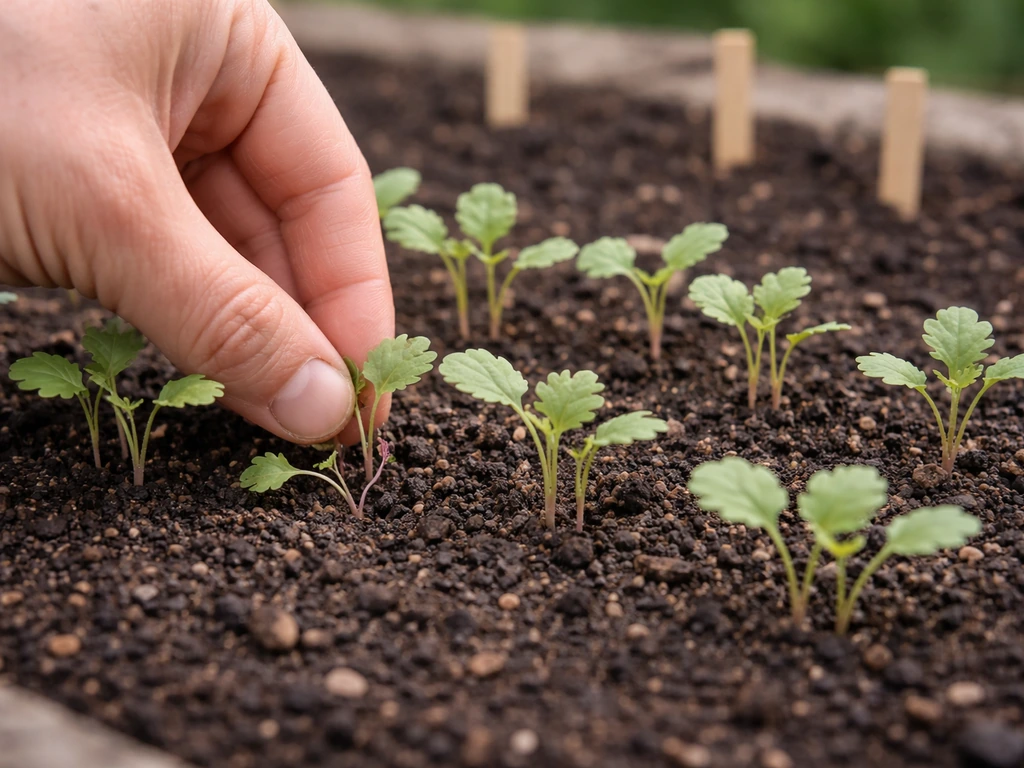
Expect germination in 7–21 days depending on variety and soil temperature. Corn and opium poppies are often the fastest, sometimes showing in 5–10 days. Iceland poppies take closer to 14–21 days. Oriental poppies can be slower, especially in cooler conditions.
Thinning is non-negotiable
Once seedlings have their first true leaves, thin them to about 6–12 inches apart (6 inches for compact corn poppies, 10–12 inches for larger somniferum or orientals). I know it's painful to pull out seedlings that took weeks to appear, but overcrowded poppies compete for light and airflow, which leads to weak stems and disease problems. Snip extras at the soil line rather than pulling, to avoid disturbing the roots of the plants you're keeping.
When seeds don't germinate
The most common germination problems and their fixes:
- Seeds buried too deep: Poppy seeds need light or very shallow burial. If you covered them more than 1/4 inch, try again with surface sowing.
- Soil too warm: If soil temps are above 75°F, germination will stall. Wait for cooler conditions or try the refrigerator stratification trick before sowing.
- Soil dried out: The surface must stay consistently moist after sowing. Letting it crust over or dry for even a few days can kill germinating seeds.
- Old seed: Poppy seeds lose viability quickly, especially if stored in warm or humid conditions. Use fresh seed each season.
- Oriental poppies showing nothing: If you sowed in fall and nothing emerged by late spring, they may still be alive underground. Wait — they establish roots first and send up foliage when ready.
Watering, feeding, and weed control through bloom
Once poppies are established past the seedling stage, they are surprisingly low-maintenance. In zone 7's typically moist springs, established plants often get by on rainfall alone. The main rule is this: water when the top inch of soil is dry, but never let plants sit in soggy soil. Deep, infrequent watering is better than light daily sprinkles. Water at the base of plants rather than overhead to reduce the risk of fungal disease, wet foliage in cool weather is an invitation for mildew.
Feeding is optional for most poppies. In fertile or amended soil, extra fertilizer just produces leafy, floppy plants with fewer flowers. If your soil is genuinely poor and sandy, a single light application of a balanced fertilizer worked into the bed at prep time is plenty. Skip the high-nitrogen liquid feeds entirely.
Weed control matters most in the first 4–6 weeks when seedlings are tiny. Hand-pull weeds carefully around young plants, or use a narrow hoe between rows. Once poppies are 6–8 inches tall they'll largely shade out small weeds on their own. Avoid thick mulch right over the crown of the plant, especially for oriental poppies, as it can trap moisture and cause crown rot.
Troubleshooting pests, disease, and leggy or sparse growth
Fungal diseases: downy mildew and powdery mildew
Downy mildew and powdery mildew are the two diseases most likely to trouble poppies in zone 7. Downy mildew spreads through splashing water, wind, and handling, and it persists in plant debris and weeds, so good sanitation matters: clean up dead foliage, space plants for airflow, and avoid overhead watering. Powdery mildew tends to appear as the season warms and nights stay cool and humid, a common combination in zone 7's late spring and early fall. It looks like a dusty white coating on leaves. Treat it early by applying a fungicide or dilute neem oil solution to healthy green tissue before infection spreads. Prevention is far more effective than cure.
Aphids and other pests
Aphids sometimes cluster on new growth, especially in spring. Knock them off with a firm spray of water, or use insecticidal soap if the infestation is heavy. Slugs can chew seedlings at night in wet spring conditions, a ring of diatomaceous earth or a beer trap near affected plants usually handles them.
Leggy or sparse growth
Leggy, floppy poppies almost always trace back to two causes: not enough sun or too much nitrogen. Move next year's planting to a sunnier spot and ease off any fertilizer. Sparse germination or patchy stands usually mean seeds were sown too deep, conditions were too warm, or seed was old. Resow thinly and shallowly in a small test patch to diagnose before replanting the whole bed. In zone 7, sowing in a partially shaded spot will also produce weaker, taller plants that tend to fall over, full sun really does matter.
Oriental poppies going dormant
It's worth calling this out separately because it alarms beginners every single time: oriental poppies go completely dormant after flowering, and the foliage yellows and dies back entirely in summer. This is normal. The plant is alive underground. Plant summer annuals or perennials around them to fill the gap, and the poppies will re-emerge in late summer or fall.
Deadheading vs letting pods form
This is a choice worth making deliberately, because what you decide changes what happens next in your garden. You don't have to do the same thing to every plant.
Deadheading to extend blooms
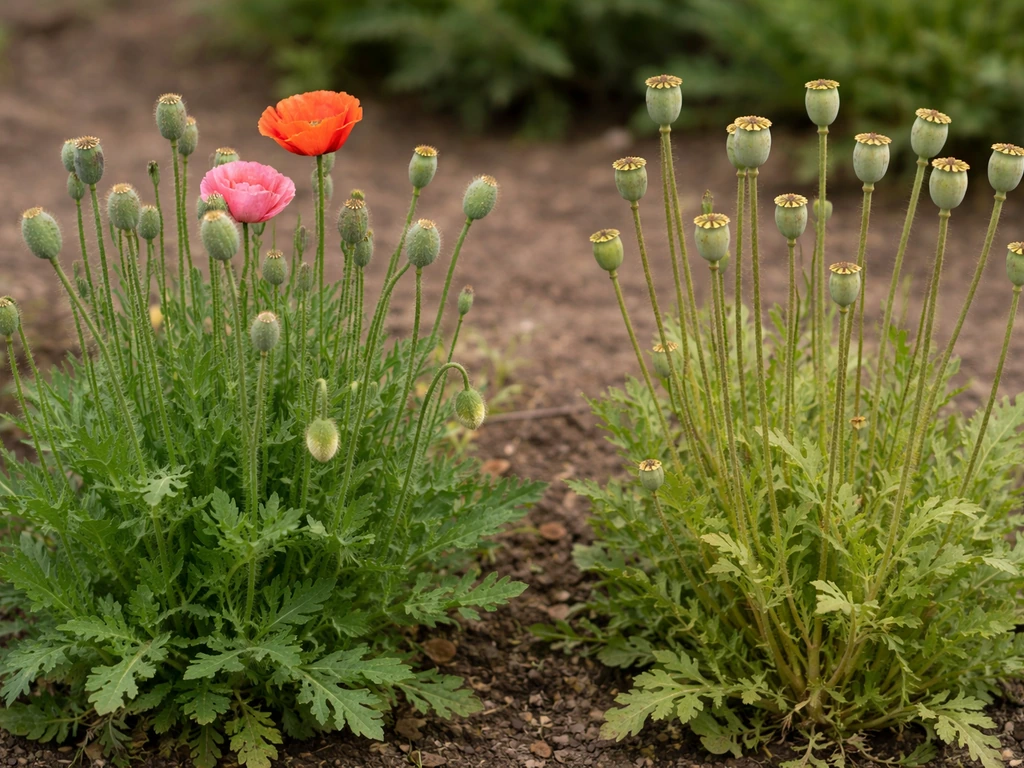
For annual poppies (corn and opium types), removing spent flowers before the seed pod develops can encourage more blooms because the plant's energy doesn't go straight into seed production. Deadhead by pinching or cutting the stem just below the spent flower head. Some sources suggest oriental poppies can produce a second flower flush when deadheaded, though results vary. For any poppy, regular deadheading keeps the planting tidy if aesthetics matter.
Letting pods form for seeds or ornament
If you want to save seed for next year, let some pods mature fully on the plant. Leave them until the pod turns tan or brown and the seeds rattle inside when shaken, that's the sign they're ready. For Papaver rhoeas specifically, tip the dried seedhead upside down over a paper sheet and the seeds will scatter out through the small pores at the top of the capsule. For other varieties, snip the whole pod, bring it inside, and let it finish drying in a small open container for another couple of weeks before storing the seed in a labeled paper envelope in a cool, dry place.
One thing to know about corn poppies: they form a long-lived seed bank in disturbed soil and will self-sow reliably once established. If you let a few pods shatter naturally, you may get a free poppy patch in the same spot next year without doing anything at all. Some gardeners love this; others find it needs managing. Either way, it's worth knowing before you let every pod go to seed.
A quick zone 7 planting calendar
| Month | What to Do |
|---|---|
| August–September | Sow oriental poppy seeds directly outdoors |
| October–November | Fall sow corn poppies, opium poppies, and Iceland poppies |
| Late January–February | Start Iceland poppies indoors (10 weeks before last frost) |
| Late February–March | Direct sow corn poppies and opium poppies in early spring if fall window was missed |
| March–April | Transplant indoor-started Iceland poppies outdoors after hardening off |
| March–May | Thin seedlings, weed, monitor for pests and disease |
| April–June | Peak bloom period; deadhead or let pods form based on your goals |
| June–July | Harvest and dry seed pods; let oriental poppies go dormant naturally |
| July–August | Clean up spent annuals; prepare beds for fall sowing cycle |
Zone 7 gives you two solid sowing windows every year, and poppies reward the gardeners who work with those windows rather than against them. Get the timing and sowing depth right, keep the bed weed-free in the early weeks, and you'll have blooms that justify every minute of effort. If you want to go deeper on timing principles for other zones or want to understand what poppies actually need beyond zone-specific advice, those topics are worth exploring alongside this guide.
FAQ
Can I grow poppies in zone 7 if I only have springtime to plant?
Yes, but pick the right species and target cool soil. Direct sow from late February to mid-March when the soil is about 60 to 65°F or cooler, and expect slower, patchier results than fall sowing, especially for oriental and opium poppies. If your spring tends to warm quickly, do a small test patch first and consider cold-stratifying seeds for 2 to 4 weeks to boost germination.
What’s the safest sowing depth rule when I’m unsure for different poppy types?
Go shallower. Many failures in zone 7 come from burying seeds too deep, and poppies generally do best with excellent seed-to-soil contact and minimal covering. If you are mixing varieties, treat the “deepest” species as the exception, and otherwise aim for surface sowing or barely covering (press in gently rather than digging).
How much sun do poppies really need in zone 7 to avoid leggy growth?
Full sun is the priority. If you consistently get less than 6 hours of direct sun, many poppies become taller and flop, which also reduces airflow and can raise mildew risk. If you must garden on the edge of shade, plan on staking and be extra strict about watering at the base to keep foliage dry.
Should I start poppy seeds indoors at all in zone 7?
Generally no, because poppies hate transplanting due to their taproot. The main exception is Iceland poppies, where starting indoors can give earlier blooms in the cool season. For direct-sow types like corn and opium, prioritize correct timing and seed depth instead of indoor starts.
My poppy seeds sprouted, then stopped. What could cause that in zone 7?
Check for soggy soil and weed competition. If the seedbed stays wet or drains poorly, damping-off and root problems can halt progress quickly. If weeds were present, poppy seedlings can lose light and airflow during the fragile first weeks. The fix is improved drainage and a weed-free seedbed, then careful watering when the top inch dries.
Do poppies need fertilizer in zone 7?
Usually no. Too much fertility, especially nitrogen, pushes leafy growth and fewer blooms, plus it can worsen mildew by keeping plants lush and dense. If your soil is sandy and low in nutrients, you can apply a single light, balanced dose during bed prep, then skip further feeding.
How do I manage watering once seedlings are up without causing rot or mildew?
Use a “dry on top, not soggy below” approach. Water when the top inch of soil is dry, water deeply, and direct water at the base to avoid wet leaves during cool periods. In wet springs, reduce frequency, and make sure the site drains freely after rain.
What spacing should I use if I thin poppies, and when should I thin?
Thin after the first true leaves, spacing based on plant type, about 6 inches for compact corn poppies, and 10 to 12 inches for larger somniferum and oriental types. If seedlings are crowded longer than necessary, they compete for light and airflow, which can lead to weak stems and disease.
How can I prevent weeds from ruining the bed before poppies establish?
Weed at sowing time and continue the first 4 to 6 weeks. Use hand-pulling around seedlings or a narrow hoe between rows, because poppies are too delicate to compete early. Avoid mulch piled over the crown, especially for oriental poppies, because trapped moisture can contribute to crown rot.
What should I do if I see aphids or slugs on young poppies?
For aphids, start with a firm spray of water, then use insecticidal soap if numbers stay high. For slugs, protect seedlings during wet nights with a physical barrier or a beer trap placed near affected plants. Focus on early control, because seedlings are most vulnerable before they bulk up.
Oriental poppies lost all their leaves in summer. Is that a problem?
No, it’s normal. Orientals commonly go fully dormant after flowering, with foliage yellowing and dying back entirely. The plant persists underground, and it typically re-emerges in late summer or fall. Plan the area visually by placing summer bloom plants around them so you don’t think the bed failed.
Can I save seeds from zone 7 poppies, and when are they ready?
Yes, but timing matters. Leave pods until they turn tan or brown and seeds shake free, you should hear rattling inside. For corn poppies, you can tip dried seedheads upside down over paper to collect seeds, while other types are usually dried indoors further before storing in labeled paper envelopes in a cool, dry place.
Will corn poppies always self-sow in zone 7, and can that become a nuisance?
They often form a long-lived seed bank in disturbed soil, so they can reliably come back or spread. If you want a controlled bed, deadhead before pods shatter, or allow only a few pods to mature. If you like a naturalized look, leave some pods and be prepared to manage volunteer seedlings later.
Next Article
When to Grow Poppies: Planting Windows by Type
Plant poppies at the right time by type, using frost dates for direct sow or indoor starts plus key soil and aftercare.